[posted by Rina Chandran on Global Citizen, April 25th, 2018] Parched Cape Town, in South Africa, has managed to push back its “Day Zero” – an estimate of when taps in the city could run dry – to 2019 after successful water-saving efforts. But in India, “Day Zero” has come and gone for residents in many parts of the country, where taps failed long ago and people have turned instead to digging...
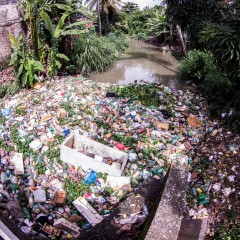
[by Sandra Leville, posted on The Guardian, April 12th, 2018] After plastic waste contributed to deadly floods in Recife, one neighbourhood took action. Now people can earn a living by cleaning up the river in a scheme being imitated around the world Maria das Gracas started collecting her plastic bottles after she saw the body of her neighbour floating past her house, carried along with the pollution that helped cause the deadly...
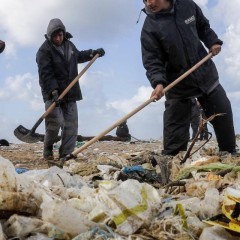
[posted by Sophia Smith Galer on BBC, 28 March 2018] We’re about five metres away from the Mediterranean Sea. To my right, the Zouk Mosbeh power plant pumps out plumes of thick grey smoke into an otherwise bright blue sky. The Jounieh Valley towers behind me over the coastline, a metropolis full of hotels and entertainment venues just outside of Beirut. To my left, I can see some sort of resort in the distance. But all I can smell –...
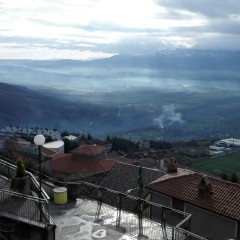
[posted by Cecilia Erba on Politheor, March 21st, 2018] The production of fossil fuels is still considered of strategic interest in Italy. As of the end of 2015, 114 exploration and 202 exploitation licenses were in force on national territory. Such activities pose a huge threat to the preservation of the environment and the health of local communities. The recently uncovered Val d’Agri affaireexemplifies the damage that oil...
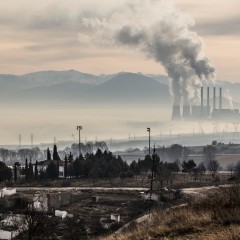
[posted by Anna Pantelia on The Guardian, March 23rd, 2018] Mining for lignite – or brown coal – in Greece is a huge industry. Together with Germany and Poland, the country accounts for more than one-third of the world’s coal production. But for residents of villages in the extraction areas of West Macedonia, it has many impacts, from displacement to health problems. Thick dust suspended in the atmosphere makes it hard to...
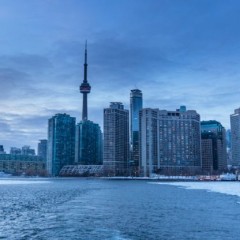
[posted by Karen Savage on Climate Liability News, March 26th, 2018] A Canadian legislator introduced a bill on Monday to protect Ontario residents from the costs of climate change-related damages and to make it easier to force fossil fuel companies to pay for infrastructure improvements needed to protect communities from climate impacts. “This act will give Ontarians the legal means to seek compensation from the world’s major...