
La voce di A Sud dalla COP30 di Belém (Brasile) e le iniziative in Italia
Dal 10 al 21 novembre 2025 saremo a Belém, in Brasile, per partecipare come osservatori alla 30° Conferenza delle Nazioni Unite sul Clima. Racconteremo quanto avviene dentro e fuori le negoziazioni, porteremo e raccoglieremo le voci dei territori in lotta contro l’estrattivismo, contro il greenwashing e per una transizione ecologica realmente giusta.
Iscriviti al bollettino Sostieni il nostro lavoroL’agenda della COP30
A Belém si discuteranno e valuteranno gli NDCs, i nuovi impegni climatici nazionali che stabiliscono gli obiettivi di riduzione delle emissioni di ogni paese. Accanto alla mitigazione, l’adattamento sarà uno dei temi centrali attraverso il Global Goal on Adaptation (GGA) e i nuovi Piani nazionali di adattamento. Un altro capitolo chiave sarà quello della finanza per il clima. Tra i punti principali il nuovo obiettivo di finanziamento (NCQG), che punta ad aumentare il sostegno ai Paesi in via di sviluppo da 100 a 300 miliardi di dollari l’anno, e la Roadmap Baku-Belém, che traccia un percorso per mobilitare almeno 1.300 miliardi di dollari l’anno entro il 2035.
Temi cruciali, che si scontrano con uno scenario geopolitico ostile, segnato dal negazionismo climatico, dai venti di guerra, dalla corsa al riarmo e dalla violenza istituzionale. Non è un caso che in gioco a Belém ci sia più che mai la credibilità della diplomazia climatica e la sua capacità di tradurre le intenzioni in impegni concreti.
La Cupula dos povos
La Cúpula dos Povos è il grande incontro dei movimenti sociali e delle comunità che vivono in prima linea la crisi climatica. Nata nel 1992 come risposta critica alle negoziazioni ufficiali, propone un’alternativa fondata su giustizia climatica, sociale e ambientale, solidarietà e saperi ancestrali.
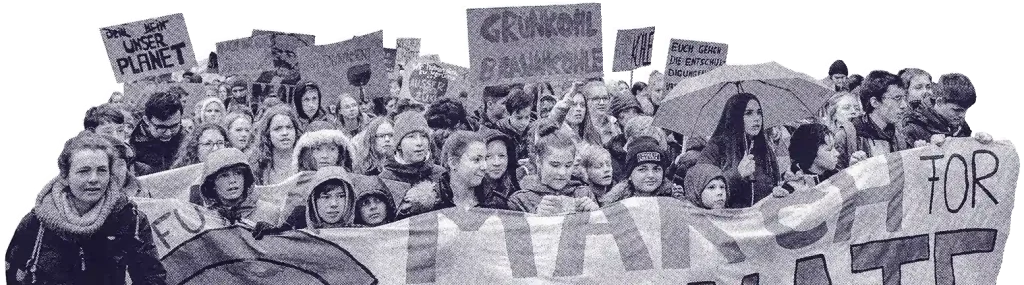
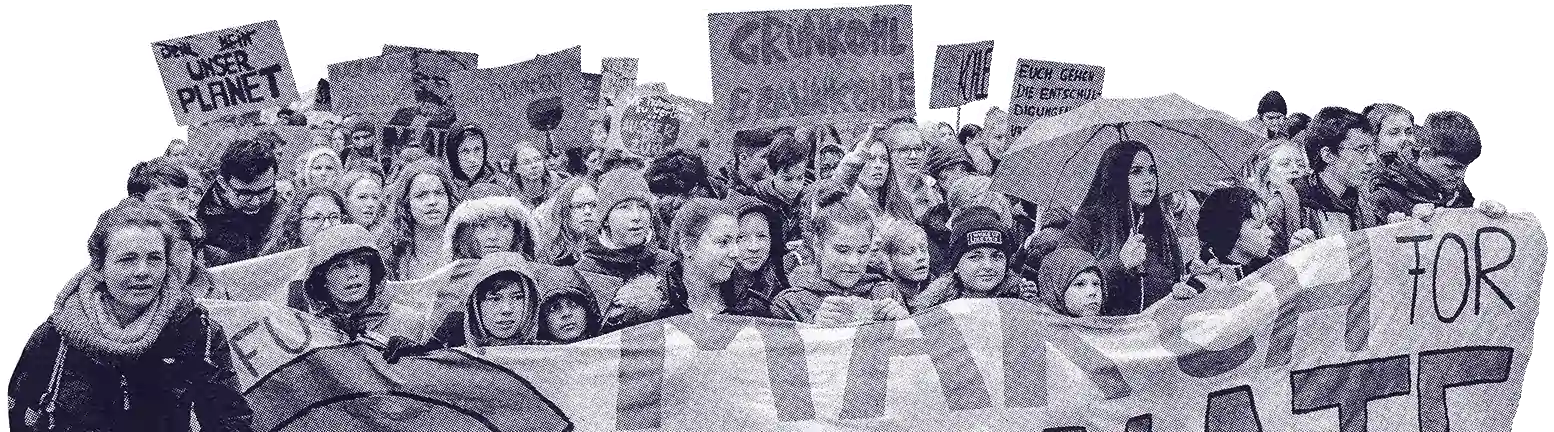
Dal 12 al 16 novembre 2025, in concomitanza con la COP30 di Belém, riunirà popoli indigeni, comunità quilombola e tradizionali, giovani e lavorator? in marce, dibattiti e azioni culturali.
La Cúpula mette al centro vite, diritti e territori, non statistiche: unisce chi costruisce ogni giorno soluzioni reali, dall’agroecologia alla difesa dei beni comuni, per spingere i governi ad adottare politiche di vera giustizia climatica.
Dichiarazione della Cupula Dos Povos
 Perché A Sud e CDCA alla COP?
Nelle Cop si riuniscono i governi dei 197 Paesi che hanno ratificato la Convenzione Quadro delle Nazioni Unite sui Cambiamenti Climatici (UNFCCC), firmata a Rio de Janeiro nel 1992. Ma la COP30 non è solo un vertice diplomatico: è il terreno di confronto (e di scontro) tra attori diversi e diverse visioni del mondo. Da una parte il business as usual che trasforma la crisi climatica in profitto, dall’altra movimenti e territori che lottano per giustizia climatica, autodeterminazione e diritti della Natura.
La COP30 si terrà nel cuore dell’Amazzonia, a Belém do Pará, in Brasile. Non è un dettaglio geografico ma una scelta politica: è nel Sud globale che l’ingiustizia climatica colpisce più duramente mentre il Nord globale continua a negoziare emissioni e interessi fossili.
Qui non si decide solo il futuro del clima: si decide chi avrà diritto a un futuro.
Per raccontare cosa c’è in gioco, e come finisce la partita.
Andiamo alla COP per osservare da vicino i negoziati, capire quali equilibri politici e di potere si stanno ridefinendo, e portare la prospettiva dei territori e dei movimenti che chiedono giustizia climatica.
La partecipazione di A Sud e CDCA serve a connettere le lotte locali con quelle globali, rafforzare alleanze internazionali e raccontare – con sguardo indipendente e critico – come la diplomazia climatica sta affrontando, o eludendo, le proprie responsabilità.
Perché solo intrecciando voci e resistenze dal basso possiamo costruire un futuro giusto per tutt?.
Per costruire e rafforzare alleanze internazionali
Svolgere la COP in Brasile è un segnale che conta: significa rimettere al centro chi la crisi climatica la subisce davvero. Andiamo a Belém per stare con i movimenti globali per la giustizia climatica. In America Latina oggi si gioca una partita enorme: conflitti ambientali, estrattivismo, repressione, lotte indigene e popolari che resistono da decenni. Con tante realtà — dalla Colombia alla Bolivia, fino all’Amazzonia — abbiamo già lavorato, fatto campagne, costruito ponti. Lì ritroviamo compagn? con cui condividiamo visioni e pratiche.
Per portare una visione radicale dentro la COP
Sì, probabilmente sarà l’ennesimo flop diplomatico. Ma proprio per questo dobbiamo esserci, per non lasciare quei tavoli alle lobby fossili e ai governi che parlano di transizione mentre trivellano.
Da dentro vedi meglio le dinamiche, le crepe, le possibilità di alleanze e di conflitto.
Andiamo per portare la prospettiva della giustizia climatica e delle lotte dal basso, che legano crisi climatica, razzismo, patriarcato e disuguaglianze. La COP non è un punto d’arrivo: è un passaggio. Il resto si fa fuori, insieme, ogni giorno.
Diario dalla COP30
- Giorno 12 – 24 novembre 2025
Belém svela il fallimento della diplomazia climatica, ma apre spiragli: una roadmap anti-fossile e nuove alleanze per la giustizia.
Leggi l’articolo / Ascolta su Scanner
- Giorno 11 – 21 novembre 2025
Penultimo giorno a Belém: incendio in COP30, stalli politici e pressioni crescenti sul BAM e sull’uscita dai fossili.
Leggi l’articolo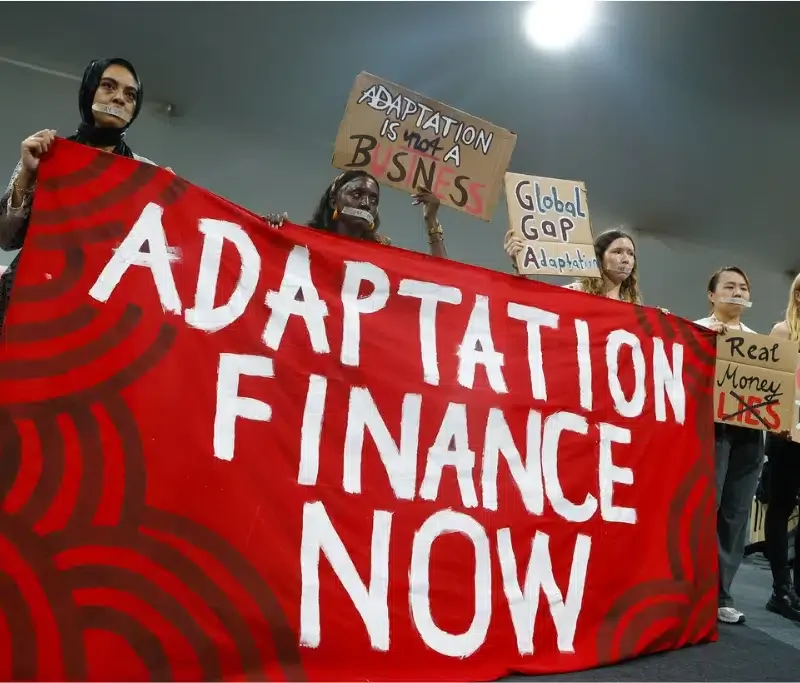

- Giorno 10 – 20 novembre 2025A Belém 85 Paesi spingono per uscire dai fossili, mentre Italia e Polonia frenano. La COP30 è al bivio, il tempo è adesso.
- Leggi l’articolo / Ascolta su Scanner
- Giorno 9 – 19 novembre 2025
Belém rilancia la lotta globale ai fossili: la Colombia guida un fronte che vuole uscire davvero dal modello che brucia il pianeta.
Leggi l’articolo / Ascolta su Scanner
- Giorno 8 – 18 novembre 2025
Alla COP30 la transizione dai combustibili fossili sembra lontana, mentre i fondi dell’adattamento sono sotto il minimo.
Leggi l’articolo / Ascolta su Scanner
- Giorno 7 – 17 novembre 2025
Belem in rivolta: popoli indigeni e movimenti sociali spingono per una COP30 che dica finalmente basta ai fossili.
Leggi l’articolo / Ascolta su Scanner

- Giorno 6 – 15 novembre 2025
Anche quest’anno i dati sulla presenza dei lobbisti Gas&Oil alla conferenza di Belém sono alti: su ogni 25 persone accreditate al vertice, uno è un lobbista dei combustibili fossili, in totale sono oltre 1600.
Leggi l’articolo
- Giorno 5 – 14 novembre 2025
Il TFFF entra nella Cupula tra promesse e contraddizioni: fondi incerti, debiti in aumento e movimenti che denunciano l’ennesima falsa soluzione verde.
Leggi l’articolo / Ascolta su Scanner
- Giorno 4 – 13 novembre 2025
A Belém la protesta indigena irrompe nella COP30 e svela le contraddizioni del Brasile fossile. Intanto la Cupula esplode di mobilitazioni globali.
Leggi l’articolo /Ascolta su Scanner
- Giorno 3 – 12 novembre 2025
Adattamento al centro della COP30, ma i fondi restano insufficienti. A Belém arrivano movimenti e comunità indigene: la vera pressione viene dai territori.
Leggi l’articolo / Ascolta su Scanner
- Giorno 2 – 11 novembre 2025
Lula parla di disuguaglianze alla Cop30, ma il Brasile continua a spingere sul fossile. A Belém torna al centro il nodo tra clima e ingiustizia.
Leggi l’articolo / Ascolta su Scanner
- Giorno 1 – 10 novembre 2025
Dalla Cop30 alla Cúpula dos Povos: a Belém si apre la sfida per la giustizia climatica tra responsabilità globali, diritti dei popoli e resistenza dei territori.
Leggi l’articolo / Ascolta su Scanner
Articoli di approfondimento alla COP30
- Cosa resta della Cop30, la battaglia per il clima e i diritti è ancora lunga – 24 novembre 2025
Marica Di Pierri e Laura Greco su Domani – COP30 fallisce su fossili e foreste, ma il Bam e il blocco dei 82 paesi per l’uscita dal fossile aprono spiragli di lotta e nuove alleanze.
Leggi l’articolo
- Sulla fine dei lavori della COP30 – 24 novembre 2025
Marica Di Pierri su EconomiaCircolare.com – Cosa è successo alla 30° Conferenza delle Parti della Convenzione delle Nazioni Unite sui cambiamenti climatici? Quali sono le grandi vittorie? Quali le sconfitte?
Guarda la diretta
- La tabella della discordia – cos’è successo alla COP30 – 23 novembre 2025
Laura Greco su Radio24 – COP30 a Belém annuncia impegni su energia, foreste e adattamento, ma senza una vera uscita dal fossile restano promesse vuote da incalzare con lotte dal basso.
Ascolta su Il Sole 24 ore
- “A resposta somos nós”. Ma alla COP30 le richieste dei popoli indigeni non fanno breccia – 23 novembre 2025
Laura Greco su EconomiaCircolare.com – Alla COP30 le voci indigene restano ai margini mentre la foresta corre verso il punto di non ritorno. Senza giustizia, non c’è futuro.
Leggi l’articolo
- La “Dichiarazione di Belém” e il multilateralismo del phase out dai fossili spinto dal basso – 21 novembre 2025
Laura Greco su Altreconomia – Da Belém arriva una spinta dal basso per uscire dai fossili: governi e movimenti uniscono le voci per un phase out reale, giusto, globale.
Leggi l’articolo
-
- Cop30: senza il Gender action plan ogni azione climatica è limitata – 21 novembre 2025
Marica Di Pierri e Laura Greco su Valori – Nonostante le ambiziose premesse il Gender action plan ha trovato diversi ostacoli sui tavoli negoziali della Cop30
- Cop30: senza il Gender action plan ogni azione climatica è limitata – 21 novembre 2025

- Alla Cop30 arrivano le storie di migrazioni climatiche – 21 novembre 2025
Marica Di Pierri su EconomiaCircolare.com – Alla Cop30, in vista delle negoziazioni finali, si parla del fenomeno crescente degli sfollamenti forzati dal cambiamento climatico.
Leggi l’articolo
- Belém, la foresta degli indigeni si ribella a Lula – 20 novembre 2025
Laura Greco su Il Manifesto – Le nazionalità dell’Amazzonia denunciano l’inagibilità politica alla Cop e chiedono una mobilitazione internazionale guidata direttamente dai popoli indigeni per proteggere i loro territori e affrontare la crisi climatica alla radice
- Alla Cop 30 i movimenti si riprendono la scena – 20 novembre 2025
Marica Di Pierri su Il Manifesto – Era dalla Cop 26 di Glasgow che non si vedeva così tanta società civile. Accanto al vertice ufficiale, in più di 50 mila hanno animato la «Cupula dos povos» per una svolta vera sul clima e i diritti
Leggi l’articolo
- COP30, BELÉM | Italiani in mobilitazione – 20 novembre 2025]
Il Climate Pride in azione alla COP30: l? attivist? chiedono all’Italia una roadmap chiara e ambiziosa per uscire dai fossili.
Leggi il comunicato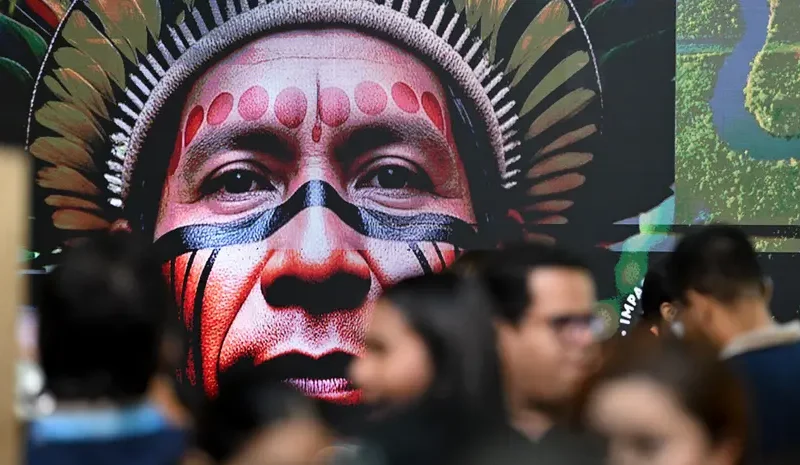

- A Belém torna il protagonismo sociale – 19 novembre 2025
Marica Di Pierri su Collettiva – Alla Cop30 movimenti, organizzazioni, popoli e sindacati riacquistano centralità: proposte e campagne dal basso sono arrivate nelle stanze dei negoziati.
Leggi l’articolo
- Come procede la COP30 in Brasile? Intervista a Laura Greco da Bélem – 19 novembre 2025
Laura Greco su Scienza e Pace Magazine – COP30 tra repressione, lobby fossili e resistenze indigene: la giustizia climatica la costruiscono i territori, non i negoziati.
Leggi l’articolo
- Lifegate dalla COP30 – 18 novembre 2025
Marica Di Pierri su Lifegate – Dalla COP30 il racconto dell’inedita comunicazione tra dentro e fuori la COP, tra le richieste indigene e l’ambiguo governo di Lula.
Ascolta su Lifegate
- Il Fondo per le foreste e la falsa soluzione del biocapitalismo si ripropone alla Cop30 di Belém – 18 novembre 2025
Laura Greco su Altreconomia – Il Tropical forests forever facility lanciato da Lula è l’ennesimo dispositivo finanziario che viene presentato come innovazione.
Leggi l’articolo
- Attivismo e giustizia climatica: se il diritto alla protesta diventa un reato – 17 novembre 2025
Marica Di Pierri su Valori.it – Alla Cop30 emerge un allarme globale: in molti Paesi il diritto alla protesta viene represso e l’attivismo ambientale è sempre più criminalizzato
Leggi l’articolo
- Alla Cop30 di Belèm il fondo per l’adattamento resta senza fondi – 17 novembre 2025]
Marica Di Pierri su EconomiaCircolare.com – Alla Cop30 fallisce, per il terzo anno di fila, l’obiettivo di raccolta minima per finanziare l’adattamento dei Paesi del Sud globale.
Leggi l’articolo

- Massiccia partecipazione popolare a Belém – 16 novebre 2025
Marica Di Pierri su L’aria Che Respiri – Alla Cúpula dos Povos tantissime voci per reclamare la fine dei combustibili fossili e una giustizia climatica guidata dai popoli, non dalle multinazionali.
Ascolta su Radio Rai1
- In diretta da Bele?m – Aggiornamenti sulla prima settimana di COP30 – 15 novembre 2025
Marica Di Pierri su EconomiaCircolare.com – In diretta da Belém, per raccontare in diretta i lavori della 30° Conferenza delle Parti della Convenzione delle Nazioni Unite sui cambiamenti climatici. ?Foto di Oliver Ninja e Midia Ninja
Guarda la diretta
- Cop30: chi difende i combustibili fossili dentro i negoziati sul clima – 14 novembre 2025
Marica Di Pierri per Altreconomia – Alla Cop30 un lobbista fossile ogni 25 delegat?: il vertice che dovrebbe chiudere l’era fossile continua a farsela scrivere da chi la profitta.
Leggi l’articolo
- Giustizia climatica, questa dimenticata – 13 novembre 2025
Marica Di Pierri su Il Manifesto – Il legame tra clima e disuguaglianze è ormai assodato. Ma dopo 30 anni di conferenze, i ricchi continuano a fare grandi affari con i fossili.
Leggi l’articolo
- L’adattamento secondo la COP30: “Adattarsi è sopravvivere” – 13 novembre 2025
Marica Di Pierri per EconomiaCircolare.com – COP30 punta a rendere operativo il Global Goal on Adaptation, tra governance multilivello, indicatori, fondi insufficienti e necessità di giustizia climatica.
Leggi l’articolo
- La Cop30 in Brasile e le politiche industriali green – 11 novembre 2025
Marica Di Pierri per Tutta La Città Ne Parla, Radio3 – È iniziata la Cop30 a Belém, 10 giorni in cui si discuterà su come trovare una via d’uscita alla deriva del cambiamento climatico nonostante le difficoltà politiche che ci circondano.
Ascolta l’episodio
- Road to Belém – 7 novembre 2025
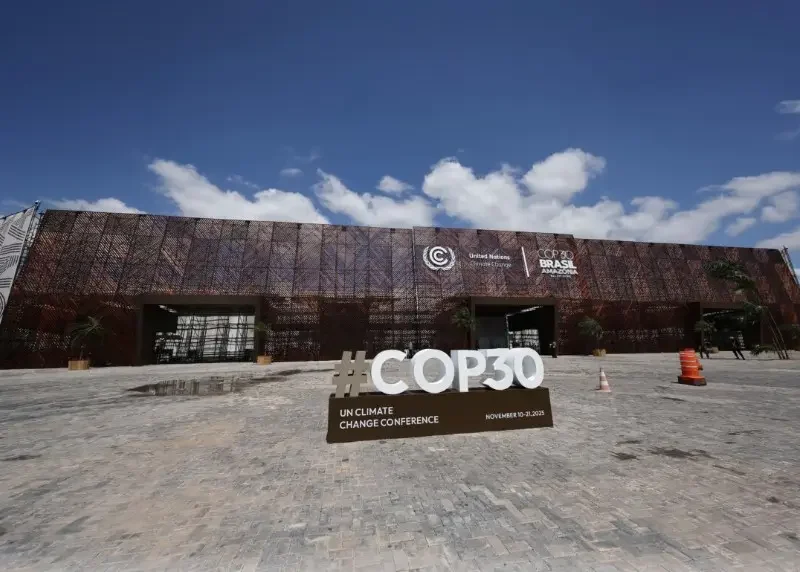 Marica Di Pierri per Valori.it – Verso la Cop30 di Belém, cosa aspettarci dal più importante appuntamento per salvare il clima della Terra? Diretta con Marica Di Pierri, Luca Lombroso, Giovanni Mori e Lorenzo Tecleme.
Guarda la diretta
 Marica Di Pierri per Valori.it – Verso la Cop30 di Belém, cosa aspettarci dal più importante appuntamento per salvare il clima della Terra? Diretta con Marica Di Pierri, Luca Lombroso, Giovanni Mori e Lorenzo Tecleme.
- Da Parigi a Belém, i conti che non tornano – 6 novembre 2025
Marica Di Pierri per Il Manifesto – Tra tensioni e fragili compromessi, i preparativi alla vigilia della Conferenza Onu. A che punto sono gli impegni nazionali di riduzione e i piani di adattamento dei singoli Paesi.
Leggi l’articolo
- A Sud a Belém alla Cop30 – 6 novembre 2025
A Sud seguirà negoziati e mobilitazioni dalla COP30 di Belém, amplificando le voci dei movimenti per giustizia climatica e sociale.
Leggi l’articolo
- A Sud aderisce alla Global Call to Action della Cúpula dos Povos – 5 settembre 2025
Il 15 novembre scendiamo in piazza: basta disuguaglianze e razzismo ambientale, vogliamo giustizia climatica e un mondo dove la vita sia al centro.
Leggi l’articolo
- Vertice dei Popoli Verso la COP30: Manifesto Politico – 13 giugno 2025
A Sud aderisce al Manifesto dei Popoli verso la COP30: un appello globale per giustizia climatica, anticapitalismo e democrazia dal basso.
Leggi l’articolo
Racconteremo le negoziazioni
Per spiegare cosa accade davvero alla COP30, come si muovono i governi e quali interessi guidano le scelte sulla crisi climatica. Vi offriremo una copertura quotidiana per raccontarvi con le nostre parole e con uno sguardo critico, indipendente e radicale, vicino ai movimenti il dentro e fuori la Cop
Sveleremo le contraddizioni
Tra le promesse ufficiali e la realtà, mostrando lo scontro continuo tra lobby fossili e popoli che difendono la vita e i territori. Denunceremo le responsabilità smascherando la falsa transizione energetica e chi continua a inquinare mentre parla di sostenibilità con greenwashing e false soluzioni
Daremo voce alle comunità
Portando le loro storie, le lotte quotidiane e le alternative concrete alla devastazione ambientale, contro colonialismo ed estrazione. Ci collegheremo con l’Italia per connettere istanze e battaglie
INFO E CONTATTI
Per contatti e interviste con la delegazione:
maricadipierri@asud.net
+ 55 21 967071220
Laura Greco
lauragreco@asud.net
+55 21 997673184
[posted by Arnim Scheidel, Leah Temper, Federico Demaria, Joan Martínez-Alier on Sustainability Science, May 2018] Introduction Transitions towards more sustainable futures could benefit from supporting those civil society actors that relentlessly oppose and transform local unsustainabilities across the globe. Instead, persecution, criminalization and violence against such grassroots activists, including their brutal assassination are increasing (Del Bene et al. this feature; Navas et al. this feature). Global Witness (2017), for instance, recently reported that 200 environmental defenders have been killed in 2016. Many of these civil society actors turned into environmental activists to contest cases of unsustainable extraction, trade and consumption of resources, because these activities threatened their own livelihoods. Gadgil and Guha (1995) have called those who resist environmental devastation to defend their own livelihoods ‘ecosystem people’ and Martinez-Alier (2002) has referred to them as ‘environmentalists of the poor’. In their acts of resistance, they contribute to a larger social purpose—by not only opposing and sometimes transforming unsustainable resource uses, but also by creating needed political debates on the use of the environment, and by constantly renegotiating public values of what is considered ‘sustainable’. Often criminalized by governments and companies for their actions, we argue that such activism is among the most promising social forces to promote not only social justice but also environmental sustainability. They might be seen as an example of Polanyi (1944)’s double movement, meaning a self-protection of society against the commodification of life and nature. Addressing issues of justice is a fundamental component of sustainability science (Jerneck et al. 2011; Golub et al. 2013). Understanding the ways how ecological distribution conflicts and environmental justice movements can contribute to both social justice and environmental sustainability is, however, not straightforward. It requires asking why, through whom, how and when do conflicts over the use of the environment take an active role in shaping transitions toward sustainability. Answers to these questions can be found in studying the processes through which unsustainable resource uses have given rise to ecological distribution conflicts and environmental justice movements, as well as the pathways that such movements have taken to transform them (Temper et al. 2018). Empirical research linking changes in resource uses and social metabolism, society’s processes of extraction, trade and disposals of material and energy, to the rise of ecological distribution conflicts, have grown over the past two decades (Martinez-Alier 2002; Martinez-Alier et al. 2010; Muradian et al. 2012). As has the body of empirical studies on environmental justice movements that have emerged out of such conflicts, fighting to protect not only their livelihoods but also the environment surrounding them (e.g. Pellow et al. 2002; Temper et al. 2015; Martinez-Alier et al. 2016). The way these processes of social metabolism, ecological distribution conflicts, environmental justice movements and transitions towards sustainability interact with each other can be multi-faceted, requiring nuanced research on each of these interactions. Yet to better understand the broader dynamics at play calls for a conceptualization of the interactions of all these processes as a whole, in a systematic way. So far this has not been done. This overview paper, therefore, presents a conceptual framework that schematically maps out and describes the dynamics of interaction between social metabolism, ecological distribution conflicts, environmental justice movements, and sustainability transitions. For scholars new to the field, we aim to review and summarize some of their key linkages. For the advanced study of...
read moreSCEMPIO CAPITALE: I veleni del Parco Archeologico di Centocelle
Stamattina al coworking l’Alveare abbiamo presentato i risultati delle analisi indipendenti che abbiamo condotto sui terreni del Parco Archeologico di Centocelle, insieme al comitato PAC Libero, attraverso il progetto CleanUp 100Celle, sostenuto da Patagonia Environmental Grants Fund of Tides Foundation. Dalle analisi si evincono concentrazioni significative che superano i limiti di legge (D. Lgs. 152/2006) per il verde pubblico, privato e residenziale e in alcuni casi per l’uso industriale e commerciale. In particolare sono stati superati i limiti nei valori di diversi metalli pesanti, in particolare berillio, selenio, stagno, tallio, vanadio. Le analisi sono state affidate a Source International, che ha realizzato i campionamenti il 26 e il 27 Giugno 2018 in 8 punti sia all’interno della zona interdetta sia nella parte di parco a oggi più usufruita dalla cittadinanza. A seguito delle analisi, come CDCA – Centro di Documentazione Conflitti Ambientali, abbiamo prodotto un dossier che racconta il percorso del nostro progetto e la storia delle mobilitazioni per la tutela del Parco, ed esplora tutte le implicazioni che i risultati ottenuti possono comportare. Il report è scaricabile e consultabile liberamente. SCEMPIO CAPITALE: I veleni del Parco Archeologico di...
read more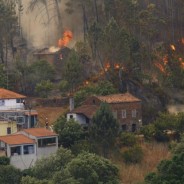
[posted by Dana Drugmand on Climate Liability News, August 14, 2018] A lawsuit dubbed the People’s Climate Case, which challenges the European Union’s 2030 emissions reduction target and other climate policies, was given the green light by a court on Monday and is moving forward. The European General Court accepted the case brought by 10 families from Portugal, Germany, France, Italy, Romania, Kenya and Fiji and a youth association in Sweden. The case was first filed in May, but the court’s acceptance means that the defendants, the European Parliament and the Council of the European Union, have two months to file their response. The families contend that the EU’s current target to reduce emissions—40 percent below 1990 levels by 2030—is insufficient and fails to protect their fundamental rights. They also demand that three regulatory acts designed to implement that target be nullified as a more stringent target is set. “The EU’s existing 2030 climate target is too low to protect people and their fundamental rights,” said Wendel Trio, director of Climate Action Network (CAN) Europe, which is supporting the plaintiffs. “We firmly believe that this court case will prove that the climate target needs to be significantly raised to ensure a safe future for all of us.” The case is modeled after the first successful lawsuit challenging a government’s climate target, the Urgenda case in the Netherlands. A Dutch court ruled in 2015 that the Dutch government must increase its targeted reductions to at least 25 percent below 1990 levels by the end of 2020. The government appealed the decision and a hearing was held in May, with no ruling yet announced. The case has inspired other legal actions around the world challenging government climate policies. Citizens in the United Kingdom, for example, sued the British government last December demanding more ambitious climate action, including a more stringent 2050 emissions reduction target. Following a preliminary hearing in July, the court decided not to move the case forward. Plan B, the group supporting the plaintiffs, has already filed an appeal. The European Union case, while still in an early stage, gives the movement more momentum. “This is an immensely significant development,” said Tim Crosland, executive director of Plan B. “The most challenging hurdle in climate change litigation can be persuading a court to engage fully in issues that appear to be embedded in complex economic and political considerations. But once that threshold is overcome, as it has been here, and a court is forced to confront the reality that the EU’s climate policies are insufficient, according to science, to avoid intolerable risks to millions of people across the Union, the prospects of success become much brighter.” “The fact that the court has accepted our case gives me some hope. We need to act now,” said Sanna Vannar, president of the Swedish Saami Youth Association, Sáminuorra. Two hallmarks of climate change, extreme heat and wildfires, have plagued Europe this summer, underscoring the urgency for climate activists. “The wildfires destroyed my property in 2017. This year, we are once again struggling with massive heatwaves and wildfires in Europe,” said Armando Carvalho, a Portuguese plaintiff who lost his tree plantations to a wildfire last year. “Since the beginning of this summer, many other people lost their lives and homes due to worsening impacts of climate change. We cannot remain silent to this. This case is about our common future...
read more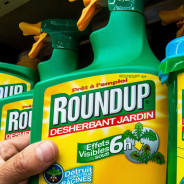
[posted by Tina Bellon on Reuters, August 11, 2018] A California jury on Friday found Monsanto liable in a lawsuit filed by a man who alleged the company’s glyphosate-based weed-killers, including Roundup, caused his cancer and ordered the company to pay $289 million in damages. The case of school groundskeeper Dewayne Johnson was the first lawsuit to go to trial alleging glyphosate causes cancer. Monsanto, a unit of Bayer AG following a $62.5 billion acquisition by the German conglomerate, faces more than 5,000 similar lawsuits across the United States. The jury at San Francisco’s Superior Court of California deliberated for three days before finding that Monsanto had failed to warn Johnson and other consumers of the cancer risks posed by its weed killers. It awarded $39 million in compensatory and $250 million in punitive damages. Monsanto in a statement said it would appeal the verdict. “Today’s decision does not change the fact that more than 800 scientific studies and reviews…support the fact that glyphosate does not cause cancer, and did not cause Mr. Johnson’s cancer,” the company said. Monsanto denies that glyphosate, the world’s most widely used herbicide, causes cancer and says decades of scientific studies have shown the chemical to be safe for human use. Johnson’s case, filed in 2016, was fast-tracked for trial due to the severity of his non-Hodgkin’s lymphoma, a cancer of the lymph system that he alleges was caused by Roundup and Ranger Pro, another Monsanto glyphosate herbicide. Johnson’s doctors said he is unlikely to live past 2020. A former pest control manager for a California county school system, Johnson, 46, applied the weed killer up to 30 times per year. Brent Wisner, a lawyer for Johnson, in a statement said jurors for the first time had seen internal company documents “proving that Monsanto has known for decades that glyphosate and specifically Roundup could cause cancer.” He called on Monsanto to “put consumer safety first over profits.” Over the course of the four-week trial, jurors heard testimony by statisticians, doctors, public health researchers and epidemiologists who disagreed on whether glyphosate can cause cancer. The U.S. Environmental Protection Agency in September 2017 concluded a decades-long assessment of glyphosate risks and found the chemical not likely carcinogenic to humans. But the World Health Organization’s cancer arm in 2015 classified glyphosate as “probably carcinogenic to...
read moreTAP: non è una questione di opinioni, ma di “ingiustizia climatica”
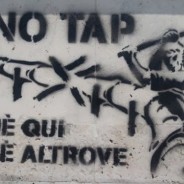
[di Marcello Greco su Salento Metropoli, 18 agosto 2018] Intervista al Prof. Michele Carducci, Ordinario di Diritto costituzionale comparato nell’Università del Salento e Human Rights Defender del Movimento No Tap nonché di Comitati, Associazioni e cittadini che si oppongono al gasdotto. La questione del gasdotto TAP non può ridursi ad una mera questioni di costi economici e penali. In questa vicenda sono coinvolti interessi e diritti non monetizzabili, come la salubrità dell’ambiente, i diritti fondamentali dell’uomo, l’essenza della democrazia, della sovranità nazionale e dell’autodeterminazione dei popoli. Nel parliamo più nel dettaglio con il Professor Michele Carducci, ordinario di Diritto costituzionale comparato presso l’Università del Salento e difensore volontario dei diritti umani (“Human Rights Defender”). Professore Carducci, che cosa significa essere “Human Rights Defender”? Significa prestare assistenza legale volontaria e gratuita a persone vulnerabili o gruppi di dissenso ambientale, sotto l’ombrello protettivo di riconoscimento dell’ONU, specificamente della Risoluzione 53/144, e, con riguardo all’Europa, all’interno delle linee guida dell’OSCE, dando conto delle proprie azioni alle diverse istituzioni internazionali e sovranazionali che monitorano appunto la difesa dei diritti umani (ONU, UE, OSCE, CIDU). E’ la prima volta che Lei svolge questo tipo di attività? No. Da quasi due decenni lavoro in questa veste volontaria in America latina e, più recentemente, in Africa, a favore di comunità indigene, gruppi vulnerabili (come ragazze madri e minori), soggetti discriminati. In Italia, invece, è la prima volta e paradossalmente proprio nel Salento, la mia terra. Ma quindi la vicenda TAP è una questione di diritti umani? Senza ombra di dubbio. La vicenda TAP mette in discussione diritti umani procedurali e sostanziali. Non sono io a dirlo, ma le fonti normative internazionali alla quali l’Italia si è vincolata, eludendone poi l’applicazione: dai diritti procedurali alla partecipazione democratica nelle questioni ambientali e di sviluppo locale (tutelati dalla Convenzione di Aarhus, da innumerevoli atti del Consiglio d’Europa, dalla Commissione di Venezia, dalla stessa Unione europea con un Regolamento del 2013) ai diritti sostanziali all’ambiente salubre e allo sviluppo sostenibile nel rispetto delle generazioni future (riconosciuti dai Trattati europei e dalla stessa disciplina legislativa ambientale italiana) al diritto al clima, recentemente fatto proprio dall’Accordo di Parigi del 2015 e ripreso da un recente importante documento del Comitato Economico e Sociale europeo sulla cosiddetta “giustizia climatica”. Mi pare di capire che Lei condivida le ragioni di opposizione al gasdotto TAP. Più ci si informa e documenta su questi parametri di riconoscimento dei diritti umani ambientali, più diventa difficile condividere le ragioni a favore della realizzazione del gasdotto TAP. Purtroppo, sulla importanza dei diritti umani alla democrazia ambientale, l’Italia è estremamente lacunosa, sia sul piano politico che su quello della informazione ai cittadini. Non a caso, in base ai dati di Environmental Democracy Index, il nostro Paese si colloca tra le peggiori posizioni in Europa. Questo è un fatto grave. Al di là di come la si pensi, quando si ignorano i diritti umani, si maturano opinioni tanto legittime quanto lacunose e manipolabili. Pertanto, se davvero si hanno a cuore la democrazia e i diritti, non si può rimanere indifferenti all’onere di informarsi, studiarsi le carte, leggersi i documenti a tutela dei diritti e della democrazia, comparare il contesto italiano con quello dei migliori Paesi al mondo per tutela dei diritti umani ambientali. E’corretto concludere che la realizzazione di...
read more[posted by Ludwig Burger on Business Insider, August 23, 2018] Bayer said the number of US lawsuits brought against newly acquired Monsanto has risen to about 8,000 from 5,200 previously, after Monsanto was ordered to pay damages for not warning of alleged cancer risks of glyphosate-based weedkillers. “The number of plaintiffs in both state and federal litigation is approximately 8,000 as of end-July. These numbers may rise or fall over time but our view is that the number is not indicative of the merits of the plaintiffs’ cases,” Chief Executive Werner Baumann told analysts in a conference call on Thursday. Bayer shares have lost more than 10% since Monsanto was ordered on Aug. 10 to pay $289 million in damages in the first of possibly thousands of US lawsuits over glyphosate-based weedkillers such as Roundup and Ranger Pro. He reiterated the jury’s verdict was inconsistent with the science-based conclusions of regulators and added that demand for glyphosate-based products remained strong. When asked whether Bayer would consider settling cases out of court, he said: “We will vigorously defend this case and all upcoming cases.” Second-quarter results, due on September 5, would include provisioning for legal defense costs but no money would at that point be set aside for any possible future damages, finance chief Wolfgang Nickl added....
read moreL’acqua come arma nella valle del Giordano
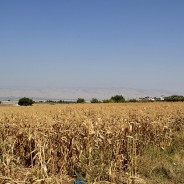
[di Naomi Kundera su Bocche Scucite, 30 luglio 2018] In piena estate, il caldo nella Valle del Giordano è feroce. Il viaggio da nord est, dalla città di Tubas, al piccolo villaggio di Bardala è una manifestazione fisica di questo clima inclemente. I campi ondulati sono una landa ingiallita. Le mucche e le capre degli sparsi avamposti beduini sono indolenti e magre. Le alte temperature sarebbero sopportabili se solo i residenti palestinesi della Valle del Giordano settentrionale avessero accesso a una quantità sufficiente di acqua. “Quando appoggio la testa sul cuscino, non penso a niente se non domandarmi se domani [l’occupazione israeliana] diminuirà l’acqua e a cosa potrò fare”. Ibrahim Sawafta, 34 anni, è un agricoltore residente a Bardala. Ha campi di grano e corcoro insieme ad alberi di limone, ulivo e gauava. I campi di Ibrahim devono essere irrigati due volte al giorno, ma poiché l’esercito israeliano e la compagnia idrica nazionale Mekorot limitano la quantità di acqua che può avere, 28 dunam (1 ettaro sono 10 dunam) della sua terra si sono seccati. In una settimana, ha perso quasi 35.000 ILS. Ibrahim possiede una delle fattorie più piccole del villaggio. “Tutti gli altri agricoltori hanno molta più terra, e loro?”, ha detto, riferendosi alla quantità d’acqua di cui i suoi vicini avrebbero bisogno. Come Israele sta rubando l’acqua palestinese Nonostante le sue alte temperature, la Valle del Giordano non scarseggia d’acqua. Questo tratto orientale di terra che confina con la Giordania costituisce il 30% circa della Cisgiordania e le sue numerose sorgenti naturali sono state una delle principali fonti di acqua per la Palestina storica. Prima dell’occupazione della Cisgiordania nel 1967, la sorgente naturale di Bardala produceva oltre 200 metri cubici (52.834 galloni) di acqua all’ora. Il villaggio aveva costruito un pozzo profondo 67 metri che aveva permesso di aumentare la produzione di acqua a 300 metri cubi (79.251 galloni) all’ora. Dopo l’inizio dell’occupazione, Israele e la sua compagnia idrica nazionale Mekorot costruirono due pozzi adiacenti a quello già esistente di Bardala. I pozzi Mekorot correvano a circa 250 metri più in profondità di quello di Bardala, cosa che l’ha sostanzialmente prosciugato, lasciando i Palestinesi dipendenti dai pozzi controllati da Israele. Nel 1971, il villaggio di Bardala, Mekorot e l’amministrazione civile israeliana stipularono un accordo che assegnava alla gente di Bardala 240 metri cubi di acqua all’ora – all’incirca la stessa quantità di acqua che il pozzo stava già producendo per il villaggio. Ma dalla metà degli anni ’80 fino a circa il 1998, Israele iniziò a diminuire la quantità di acqua promessa agli abitanti di Bardala. Le diminuzioni in quel periodo furono marginali, ma dal 1998 a oggi il flusso di acqua dalla compagnia israeliana al villaggio è drasticamente diminuito. La popolazione di Bardala è passata da 400 abitanti nel 1967 ai circa 3.000 di oggi. Tuttavia, la quantità di acqua che il villaggio riceve è diminuita di circa 100 metri cubi all’ora. Il contrattacco Per contrastare il furto della propria acqua, i cittadini di Bardala costruiscono tubature e rubinetti che fanno scorrere l’acqua dai pozzi israeliani verso la loro terra. Spesso usano rifiuti e plastica nel tentativo di nascondere le principali valvole dell’acqua che escono dalle tubature costruite frettolosamente. L’87% della Valle del Giordano si trova nella zona C, il che significa che è sotto...
read more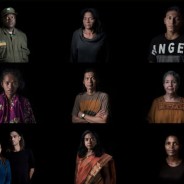
[posted by Jonathan Watts on The Guardian, July 21, 2018] On a planet of billions, nine represent the strong minority battling murder in the global corruption of land rights. Individually, they are stories of courage and tragedy. Together, they tell a tale of a natural world under ever more violent assault. The portraits in this series are of nine people who are risking their lives to defend the land and environment in some of the planet’s most remote or conflict-riven regions. From the Coral Triangle and the Sierra Madre to the Amazon and the Western African Savannah, they are caught up in struggles against illegal fishing, industrial farming, poachers, polluters and miners. The majority have seen colleagues, family or friends murdered or arrested. Two have bodyguards. Several say they wake up each day thankful to be alive. They are often criminalised, labelled terrorists or portrayed by their enemies as anti-development. All are determined to carry on their struggles despite almost ever-present and growing risks. Last year, a record 207 defenders were murdered, according to a revised tally by Global Witness. Over the past 12 months, the Guardian has published the names and, where possible, the faces and stories of the victims in this list. To mark a year of this unique collaboration, Cape Town-based photographer Thom Pierce has been commissioned to take portraits of defenders in some of the world’s worst affected regions. Although the campaigns often start locally and accidentally, several defenders saw themselves caught up in a bigger fight for the natural world. “We didn’t realise this at first, but its global,” says Turkish forest defender Tu?ba Günal. “If you want to protect the environment, you are treated as a terrorist. It’s everywhere now.” They are in the frontline of a battle between those who promote conservation and those who promote consumption. This conflict has become more violent as resources become scarcer. Extractive industries are financing the campaigns of a new generation of political strongmen: Rodrigo Duterte in the Philippines, Recep Tayyip Erdo?an in Turkey, Donald Trump in the United States and Jair Bolsonaro in BrazilAll are committed to eroding the few legal protections that environmental campaigners and indigenous groups are able to use to hold back mines, farms and factories. A large proportion of killings are linked to government security forces, particularly in the Philippines, which is the most dangerous country in Asia for activists. Many others are carried out by gangs, particularly in Latin America, which accounts for more than half of all deaths. “All these 207 activists did was to question the way that business is done. They had the audacity to defend their rights and protect the environment. That they were murdered for that is a damning indictment of the way the goods we buy are produced,” said Ben Leather, a campaigner at Global Witness. “Governments and businesses are putting profits ahead of people and we, the consumers, should not just be outraged but push them to take responsibility.” The regions with the greatest natural and ethnic diversity, have the worst records. Brazil, the biggest Amazon forest nation, has the most deaths followed by the Philippines, which is at the centre of the Coral Triangle. Next comes Colombia, another Amazon nation, and the Democratic Republic of Congo, which has Africa’s biggest forest, where almost all the victims were forest rangers. The greatest deterioration...
read moreCarbone, il lungo addio
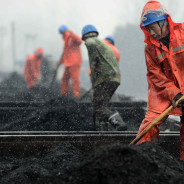
[di Marco Magrini per La Stampa, 31 luglio 2018] È lontano il “Giorno Zero” in cui non si brucerà più il combustibile peggiore e più dannoso al mondo. L’Australia vuole costruire nuove centrali, ma in tutto il mondo si tende ad abbandonare “King Coal”. Ma se non si accelera, c’è il rischio che il riscaldamento globale sia devastante Dicono che il film della Storia si ripeta continuamente. Ma non sempre è vero. Nel caso del carbone, ad esempio, sarebbe bene riavvolgere la pellicola e tornare rapidamente al giorno zero. Pensiamoci bene: la scintilla della Rivoluzione Industriale è cominciata con il carbone che alimentava il motore a vapore, grazie al quale veniva estratto ancora più carbone, in una catena di avanzamenti tecnologici che hanno portato fino al petrolio e al gas naturale. È legittimo dire che la conseguente esplosione della ricchezza mondiale (e della popolazione) è interamente basata sui residui fossili della vita animale e vegetale di milioni di anni fa, cucinati dalla geologia terrestre. Peccato che la vita sulla Terra sia basata sul carbonio. Bruciando il carbone, il carbonio si lega all’ossigeno nell’aria e diventa anidride carbonica. LO STOP? SERVE OGGI James Hansen, il più risoluto fra i climatologi, sostiene che per togliere il pianeta dalla tenaglia dell’effetto-serra bisogna smettere di usare il carbone oggi stesso. Per ogni megawatt/ora generato, le centrali a carbone emettono oltre 900 chili di CO2, quasi il doppio di quelle a gas. Eppure, nonostante i successivi passi tecnologici ci permettano di usare la sovrabbondante energia che viene dal Sole (e dal vento), i consumi mondiali di elettricità non smettono di crescere. E il tramonto del carbone appare tutt’oggi assai improbabile. AUSTRALIA ALL’ATTACCO «Il carbone ha un ruolo importante nel nostro mix energetico e non ho dubbi che ce l’avrà per molto molto tempo a venire, forse per sempre». Questa frase, pronunciata qualche settimana fa da Malcolm Turnbull – il primo ministro australiano, un tempo favorevole alle politiche climatiche – ha fatto crollare le braccia agli ambientalisti di tutto il mondo. Sarà forse perché la Cina, leader nelle rinnovabili, consuma ancora 4,3 miliardi di tonnellate di carbone all’anno per far fronte a un fabbisogno elettrico di 5,400 terawatt/ora. O sarà forse perché il presidente Donald Trump, in un aperto gesto di dissenso nei confronti della scienza, ha cancellato le regole dell’amministrazione Obama per diminuire il peso del carbone americano. Fatto sta che l’Australia (quarta produttrice al mondo) ha appena scelto di stare dal lato sbagliato della Storia. Eppure, qualche segnale che la pellicola della storia del carbone stia cominciando a riavvolgersi c’è. AVANTI, MA TROPPO PIANO La Rivoluzione Industriale è nata in Inghilterra ed è lì che, per quasi un secolo, l’industria del carbone ha dato lavoro a 750mila minatori. Ebbene, nei primi sei mesi del 2018, il Regno Unito è stato oltre mille ore senza usare l’energia del carbone: al suo posto gas, energia solare ed eolica. In Cina, dove per tre anni si era registrata una diminuzione, nel 2017 i consumi di carbone sono cresciuti del 3,3%. Ma il governo di Pechino ha appena lanciato un piano triennale che include la chiusura di tutti gli impianti piccoli e fuori dagli standard ambientali. In America, nonostante Trump, nessuno prevede un vero rilancio del carbone perché lo shale gas è...
read moreImprese transnazionali e rispetto dei diritti umani
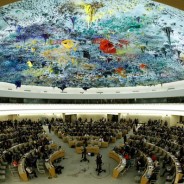
[di Cecilia Erba per CDCA] Nel 2014, il Consiglio per i Diritti Umani (United Nations Human Rights Council – UNHRC), formato dai rappresentanti di 47 Stati delle Nazioni Unite a rotazione, ha istituito il gruppo di lavoro su società transnazionali e altre imprese commerciali e il rispetto dei diritti umani (Open-Ended Intergovernmental Working Group on transnational corporations and other business enterprises with respect to human rights – OEIGWG), con l’obiettivo di elaborare uno strumento internazionale legalmente vincolante per regolarne le attività. La Risoluzione è stata adottata grazie ai voti favorevoli dei Paesi africani e asiatici all’epoca rappresentati all’interno dell’UNHRC, insieme a Russia e Venezuela, mentre i Paesi europei (tra cui l’Italia) e gli Stati Uniti si sono dichiarati contro e i restanti Paesi dell’America Latina, del Medio Oriente e il Botswana si sono astenuti. Lo scorso 16 luglio, la missione permanente dell’Ecuador presso le Nazioni Unite ha presentato, per conto della Presidenza dell’OEIGWG e dopo una serie di consultazioni e incontri informali, la prima bozza dello strumento vincolante, che sarà utilizzata come base per le negoziazioni tra gli Stati alla prossima seduta del Gruppo di Lavoro, tra il 15 e il 19 ottobre 2018. La bozza di Convenzione ha tre obiettivi principali: Rafforzare il rispetto, la promozione e la protezione dei diritti umani nel contesto delle imprese economiche a carattere transnazionale; Assicurare l’effettivo accesso alla giustizia e a forme di riparazione per le vittime di violazioni dei diritti umani nel contesto di attività economiche di carattere transnazionale e prevenire tali violazioni; Promuovere la cooperazione internazionale finalizzata al rispetto da parte degli Stati dei propri obblighi derivanti dal diritto internazionale sui diritti umani. Per quanto riguarda la tutela delle vittime, la proposta prevede che gli Stati ne tutelino i diritti e si impegnino a indagare ogni violazione, garantendo protezione, assistenza legale e accesso alle informazioni. Come forme di riparazione, si prevedono da una parte la restituzione, compensazione, riabilitazione e garanzia di non reiterazione per le vittime, dall’altra la bonifica ambientale e la ricostituzione ecologica se possibile e la copertura delle spese di ricollocazione delle vittime e delle infrastrutture comunitarie. L’Ecuador propone anche l’istituzione di un Fondo Internazionale per le Vittime, per fornire assistenza legale e finanziaria. Sul lato delle imprese con attività a carattere transnazionale, la Convenzione prevede l’adempimento di “obblighi di dovuta diligenza”, che includono il monitoraggio dell’impatto delle proprie attività in termini di diritti umani, la prevenzione e l’identificazione delle violazioni, la predisposizione di rapporti pubblici e periodici sulle questioni ambientali e sui diritti umani, analisi previe ed ex-post degli impatti ambientali e sui diritti umani, e consultazioni “significative” con i gruppi i cui diritti sono potenzialmente colpiti. L’adempimento di questi obblighi dev’essere monitorato dagli Stati sotto la cui giurisdizione cadono le imprese. Infine, la bozza identifica la cooperazione interazionale come strumento per promuovere l’implementazione e il rispetto delle norme...
read more