
La voce di A Sud dalla COP30 di Belém (Brasile) e le iniziative in Italia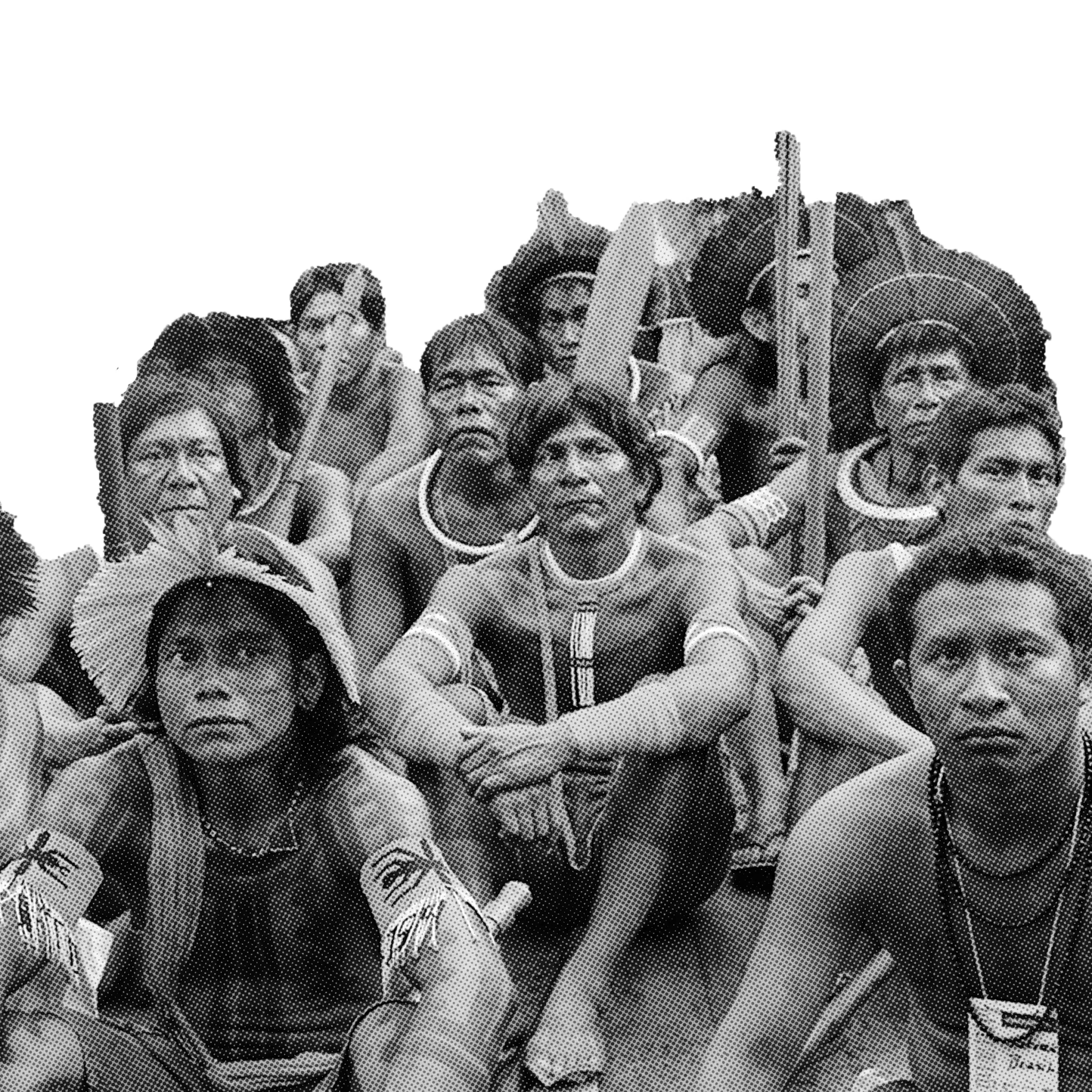
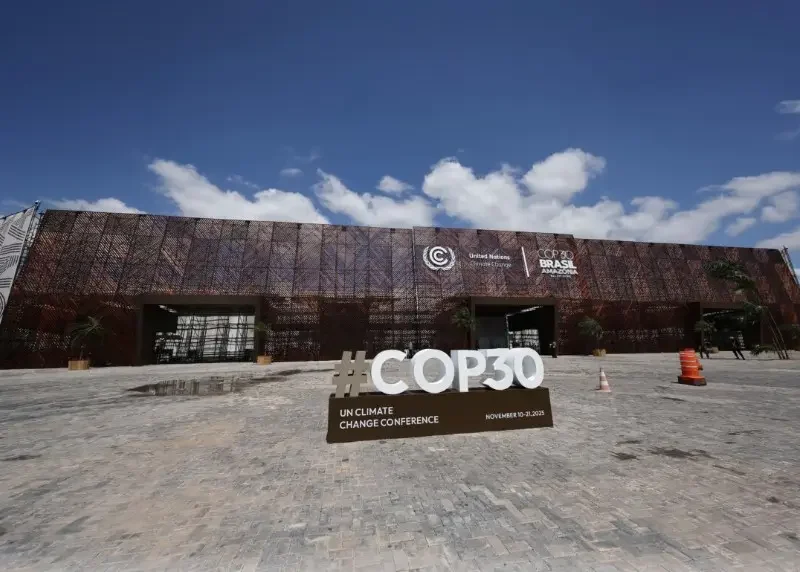
Dal 10 al 21 novembre 2025 saremo a Belém, in Brasile, per partecipare come osservatori alla 30° Conferenza delle Nazioni Unite sul Clima. Racconteremo quanto avviene dentro e fuori le negoziazioni, porteremo e raccoglieremo le voci dei territori in lotta contro l’estrattivismo, contro il greenwashing e per una transizione ecologica realmente giusta.
Iscriviti al bollettino Sostieni il nostro lavoroL’agenda della COP30
A Belém si discuteranno e valuteranno gli NDCs, i nuovi impegni climatici nazionali che stabiliscono gli obiettivi di riduzione delle emissioni di ogni paese. Accanto alla mitigazione, l’adattamento sarà uno dei temi centrali attraverso il Global Goal on Adaptation (GGA) e i nuovi Piani nazionali di adattamento. Un altro capitolo chiave sarà quello della finanza per il clima. Tra i punti principali il nuovo obiettivo di finanziamento (NCQG), che punta ad aumentare il sostegno ai Paesi in via di sviluppo da 100 a 300 miliardi di dollari l’anno, e la Roadmap Baku-Belém, che traccia un percorso per mobilitare almeno 1.300 miliardi di dollari l’anno entro il 2035.
Temi cruciali, che si scontrano con uno scenario geopolitico ostile, segnato dal negazionismo climatico, dai venti di guerra, dalla corsa al riarmo e dalla violenza istituzionale. Non è un caso che in gioco a Belém ci sia più che mai la credibilità della diplomazia climatica e la sua capacità di tradurre le intenzioni in impegni concreti.
La Cupula dos povos
La Cúpula dos Povos è il grande incontro dei movimenti sociali e delle comunità che vivono in prima linea la crisi climatica. Nata nel 1992 come risposta critica alle negoziazioni ufficiali, propone un’alternativa fondata su giustizia climatica, sociale e ambientale, solidarietà e saperi ancestrali.
Dal 12 al 16 novembre 2025, in concomitanza con la COP30 di Belém, riunirà popoli indigeni, comunità quilombola e tradizionali, giovani e lavorator? in marce, dibattiti e azioni culturali.
La Cúpula mette al centro vite, diritti e territori, non statistiche: unisce chi costruisce ogni giorno soluzioni reali, dall’agroecologia alla difesa dei beni comuni, per spingere i governi ad adottare politiche di vera giustizia climatica.
Dichiarazione della Cupula Dos Povos
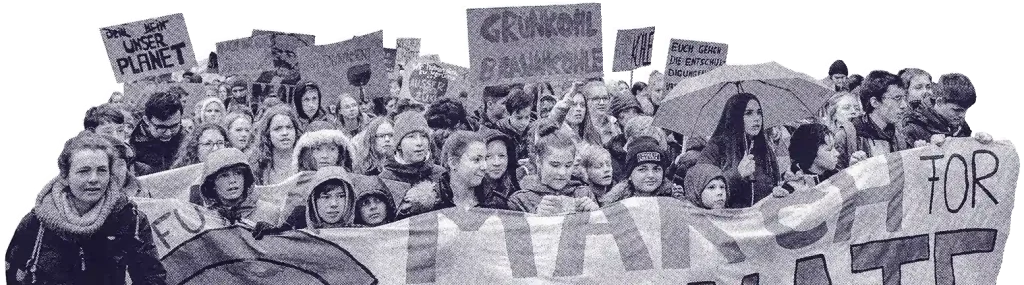 Perché A Sud e CDCA alla COP?
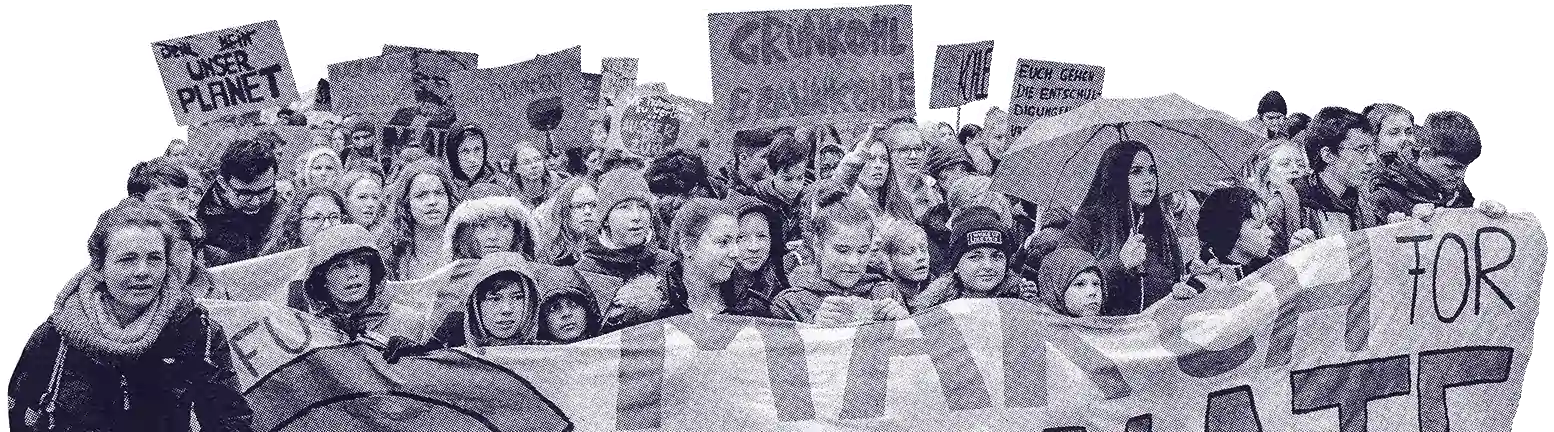
Nelle Cop si riuniscono i governi dei 197 Paesi che hanno ratificato la Convenzione Quadro delle Nazioni Unite sui Cambiamenti Climatici (UNFCCC), firmata a Rio de Janeiro nel 1992. Ma la COP30 non è solo un vertice diplomatico: è il terreno di confronto (e di scontro) tra attori diversi e diverse visioni del mondo. Da una parte il business as usual che trasforma la crisi climatica in profitto, dall’altra movimenti e territori che lottano per giustizia climatica, autodeterminazione e diritti della Natura.
La COP30 si terrà nel cuore dell’Amazzonia, a Belém do Pará, in Brasile. Non è un dettaglio geografico ma una scelta politica: è nel Sud globale che l’ingiustizia climatica colpisce più duramente mentre il Nord globale continua a negoziare emissioni e interessi fossili.
Qui non si decide solo il futuro del clima: si decide chi avrà diritto a un futuro.
Per raccontare cosa c’è in gioco, e come finisce la partita.
Andiamo alla COP per osservare da vicino i negoziati, capire quali equilibri politici e di potere si stanno ridefinendo, e portare la prospettiva dei territori e dei movimenti che chiedono giustizia climatica.
La partecipazione di A Sud e CDCA serve a connettere le lotte locali con quelle globali, rafforzare alleanze internazionali e raccontare – con sguardo indipendente e critico – come la diplomazia climatica sta affrontando, o eludendo, le proprie responsabilità.
Perché solo intrecciando voci e resistenze dal basso possiamo costruire un futuro giusto per tutt?.
Per costruire e rafforzare alleanze internazionali
Svolgere la COP in Brasile è un segnale che conta: significa rimettere al centro chi la crisi climatica la subisce davvero. Andiamo a Belém per stare con i movimenti globali per la giustizia climatica. In America Latina oggi si gioca una partita enorme: conflitti ambientali, estrattivismo, repressione, lotte indigene e popolari che resistono da decenni. Con tante realtà — dalla Colombia alla Bolivia, fino all’Amazzonia — abbiamo già lavorato, fatto campagne, costruito ponti. Lì ritroviamo compagn? con cui condividiamo visioni e pratiche.
Per portare una visione radicale dentro la COP
Sì, probabilmente sarà l’ennesimo flop diplomatico. Ma proprio per questo dobbiamo esserci, per non lasciare quei tavoli alle lobby fossili e ai governi che parlano di transizione mentre trivellano.
Da dentro vedi meglio le dinamiche, le crepe, le possibilità di alleanze e di conflitto.
Andiamo per portare la prospettiva della giustizia climatica e delle lotte dal basso, che legano crisi climatica, razzismo, patriarcato e disuguaglianze. La COP non è un punto d’arrivo: è un passaggio. Il resto si fa fuori, insieme, ogni giorno.
Diario dalla COP30
- Giorno 12 – 24 novembre 2025
Belém svela il fallimento della diplomazia climatica, ma apre spiragli: una roadmap anti-fossile e nuove alleanze per la giustizia.
Leggi l’articolo / Ascolta su Scanner
- Giorno 11 – 21 novembre 2025
Penultimo giorno a Belém: incendio in COP30, stalli politici e pressioni crescenti sul BAM e sull’uscita dai fossili.
Leggi l’articolo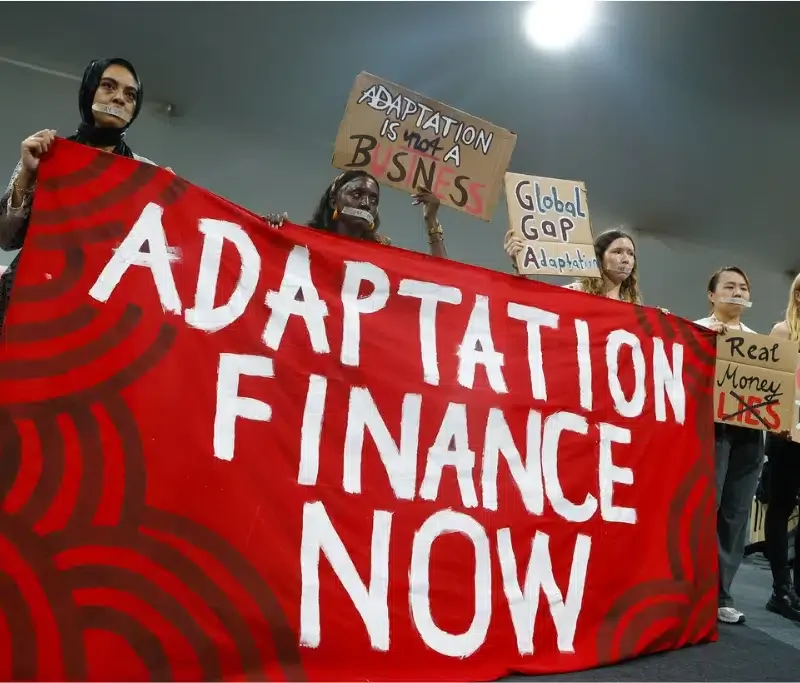

- Giorno 10 – 20 novembre 2025A Belém 85 Paesi spingono per uscire dai fossili, mentre Italia e Polonia frenano. La COP30 è al bivio, il tempo è adesso.
- Leggi l’articolo / Ascolta su Scanner
- Giorno 9 – 19 novembre 2025
Belém rilancia la lotta globale ai fossili: la Colombia guida un fronte che vuole uscire davvero dal modello che brucia il pianeta.
Leggi l’articolo / Ascolta su Scanner
- Giorno 8 – 18 novembre 2025
Alla COP30 la transizione dai combustibili fossili sembra lontana, mentre i fondi dell’adattamento sono sotto il minimo.
Leggi l’articolo / Ascolta su Scanner
- Giorno 7 – 17 novembre 2025
Belem in rivolta: popoli indigeni e movimenti sociali spingono per una COP30 che dica finalmente basta ai fossili.
Leggi l’articolo / Ascolta su Scanner

- Giorno 6 – 15 novembre 2025
Anche quest’anno i dati sulla presenza dei lobbisti Gas&Oil alla conferenza di Belém sono alti: su ogni 25 persone accreditate al vertice, uno è un lobbista dei combustibili fossili, in totale sono oltre 1600.
Leggi l’articolo
- Giorno 5 – 14 novembre 2025
Il TFFF entra nella Cupula tra promesse e contraddizioni: fondi incerti, debiti in aumento e movimenti che denunciano l’ennesima falsa soluzione verde.
Leggi l’articolo / Ascolta su Scanner
- Giorno 4 – 13 novembre 2025
A Belém la protesta indigena irrompe nella COP30 e svela le contraddizioni del Brasile fossile. Intanto la Cupula esplode di mobilitazioni globali.
Leggi l’articolo /Ascolta su Scanner
- Giorno 3 – 12 novembre 2025
Adattamento al centro della COP30, ma i fondi restano insufficienti. A Belém arrivano movimenti e comunità indigene: la vera pressione viene dai territori.
Leggi l’articolo / Ascolta su Scanner
- Giorno 2 – 11 novembre 2025
Lula parla di disuguaglianze alla Cop30, ma il Brasile continua a spingere sul fossile. A Belém torna al centro il nodo tra clima e ingiustizia.
Leggi l’articolo / Ascolta su Scanner
- Giorno 1 – 10 novembre 2025
Dalla Cop30 alla Cúpula dos Povos: a Belém si apre la sfida per la giustizia climatica tra responsabilità globali, diritti dei popoli e resistenza dei territori.
Leggi l’articolo / Ascolta su Scanner
Articoli di approfondimento alla COP30
- Cosa resta della Cop30, la battaglia per il clima e i diritti è ancora lunga – 24 novembre 2025
Marica Di Pierri e Laura Greco su Domani – COP30 fallisce su fossili e foreste, ma il Bam e il blocco dei 82 paesi per l’uscita dal fossile aprono spiragli di lotta e nuove alleanze.
Leggi l’articolo
- Sulla fine dei lavori della COP30 – 24 novembre 2025
Marica Di Pierri su EconomiaCircolare.com – Cosa è successo alla 30° Conferenza delle Parti della Convenzione delle Nazioni Unite sui cambiamenti climatici? Quali sono le grandi vittorie? Quali le sconfitte?
Guarda la diretta
- La tabella della discordia – cos’è successo alla COP30 – 23 novembre 2025
Laura Greco su Radio24 – COP30 a Belém annuncia impegni su energia, foreste e adattamento, ma senza una vera uscita dal fossile restano promesse vuote da incalzare con lotte dal basso.
Ascolta su Il Sole 24 ore
- “A resposta somos nós”. Ma alla COP30 le richieste dei popoli indigeni non fanno breccia – 23 novembre 2025
Laura Greco su EconomiaCircolare.com – Alla COP30 le voci indigene restano ai margini mentre la foresta corre verso il punto di non ritorno. Senza giustizia, non c’è futuro.
Leggi l’articolo
- La “Dichiarazione di Belém” e il multilateralismo del phase out dai fossili spinto dal basso – 21 novembre 2025
Laura Greco su Altreconomia – Da Belém arriva una spinta dal basso per uscire dai fossili: governi e movimenti uniscono le voci per un phase out reale, giusto, globale.
Leggi l’articolo
-
- Cop30: senza il Gender action plan ogni azione climatica è limitata – 21 novembre 2025
Marica Di Pierri e Laura Greco su Valori – Nonostante le ambiziose premesse il Gender action plan ha trovato diversi ostacoli sui tavoli negoziali della Cop30
- Cop30: senza il Gender action plan ogni azione climatica è limitata – 21 novembre 2025

- Alla Cop30 arrivano le storie di migrazioni climatiche – 21 novembre 2025
Marica Di Pierri su EconomiaCircolare.com – Alla Cop30, in vista delle negoziazioni finali, si parla del fenomeno crescente degli sfollamenti forzati dal cambiamento climatico.
Leggi l’articolo
- Belém, la foresta degli indigeni si ribella a Lula – 20 novembre 2025
Laura Greco su Il Manifesto – Le nazionalità dell’Amazzonia denunciano l’inagibilità politica alla Cop e chiedono una mobilitazione internazionale guidata direttamente dai popoli indigeni per proteggere i loro territori e affrontare la crisi climatica alla radice
- Alla Cop 30 i movimenti si riprendono la scena – 20 novembre 2025
Marica Di Pierri su Il Manifesto – Era dalla Cop 26 di Glasgow che non si vedeva così tanta società civile. Accanto al vertice ufficiale, in più di 50 mila hanno animato la «Cupula dos povos» per una svolta vera sul clima e i diritti
Leggi l’articolo
- COP30, BELÉM | Italiani in mobilitazione – 20 novembre 2025]
Il Climate Pride in azione alla COP30: l? attivist? chiedono all’Italia una roadmap chiara e ambiziosa per uscire dai fossili.
Leggi il comunicato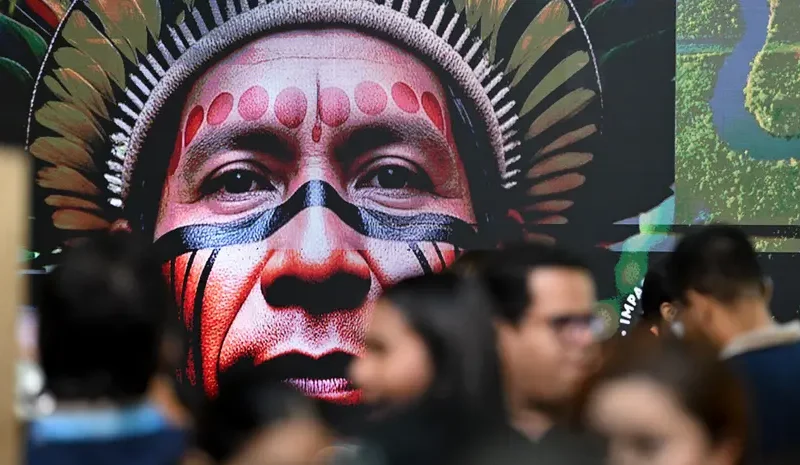

- A Belém torna il protagonismo sociale – 19 novembre 2025
Marica Di Pierri su Collettiva – Alla Cop30 movimenti, organizzazioni, popoli e sindacati riacquistano centralità: proposte e campagne dal basso sono arrivate nelle stanze dei negoziati.
Leggi l’articolo
- Come procede la COP30 in Brasile? Intervista a Laura Greco da Bélem – 19 novembre 2025
Laura Greco su Scienza e Pace Magazine – COP30 tra repressione, lobby fossili e resistenze indigene: la giustizia climatica la costruiscono i territori, non i negoziati.
Leggi l’articolo
- Lifegate dalla COP30 – 18 novembre 2025
Marica Di Pierri su Lifegate – Dalla COP30 il racconto dell’inedita comunicazione tra dentro e fuori la COP, tra le richieste indigene e l’ambiguo governo di Lula.
Ascolta su Lifegate
- Il Fondo per le foreste e la falsa soluzione del biocapitalismo si ripropone alla Cop30 di Belém – 18 novembre 2025
Laura Greco su Altreconomia – Il Tropical forests forever facility lanciato da Lula è l’ennesimo dispositivo finanziario che viene presentato come innovazione.
Leggi l’articolo
- Attivismo e giustizia climatica: se il diritto alla protesta diventa un reato – 17 novembre 2025
Marica Di Pierri su Valori.it – Alla Cop30 emerge un allarme globale: in molti Paesi il diritto alla protesta viene represso e l’attivismo ambientale è sempre più criminalizzato
Leggi l’articolo
- Alla Cop30 di Belèm il fondo per l’adattamento resta senza fondi – 17 novembre 2025]
Marica Di Pierri su EconomiaCircolare.com – Alla Cop30 fallisce, per il terzo anno di fila, l’obiettivo di raccolta minima per finanziare l’adattamento dei Paesi del Sud globale.
Leggi l’articolo

- Massiccia partecipazione popolare a Belém – 16 novebre 2025
Marica Di Pierri su L’aria Che Respiri – Alla Cúpula dos Povos tantissime voci per reclamare la fine dei combustibili fossili e una giustizia climatica guidata dai popoli, non dalle multinazionali.
Ascolta su Radio Rai1
- In diretta da Bele?m – Aggiornamenti sulla prima settimana di COP30 – 15 novembre 2025
Marica Di Pierri su EconomiaCircolare.com – In diretta da Belém, per raccontare in diretta i lavori della 30° Conferenza delle Parti della Convenzione delle Nazioni Unite sui cambiamenti climatici. ?Foto di Oliver Ninja e Midia Ninja
Guarda la diretta
- Cop30: chi difende i combustibili fossili dentro i negoziati sul clima – 14 novembre 2025
Marica Di Pierri per Altreconomia – Alla Cop30 un lobbista fossile ogni 25 delegat?: il vertice che dovrebbe chiudere l’era fossile continua a farsela scrivere da chi la profitta.
Leggi l’articolo
- Giustizia climatica, questa dimenticata – 13 novembre 2025
Marica Di Pierri su Il Manifesto – Il legame tra clima e disuguaglianze è ormai assodato. Ma dopo 30 anni di conferenze, i ricchi continuano a fare grandi affari con i fossili.
Leggi l’articolo
- L’adattamento secondo la COP30: “Adattarsi è sopravvivere” – 13 novembre 2025
Marica Di Pierri per EconomiaCircolare.com – COP30 punta a rendere operativo il Global Goal on Adaptation, tra governance multilivello, indicatori, fondi insufficienti e necessità di giustizia climatica.
Leggi l’articolo
- La Cop30 in Brasile e le politiche industriali green – 11 novembre 2025
Marica Di Pierri per Tutta La Città Ne Parla, Radio3 – È iniziata la Cop30 a Belém, 10 giorni in cui si discuterà su come trovare una via d’uscita alla deriva del cambiamento climatico nonostante le difficoltà politiche che ci circondano.
Ascolta l’episodio
- Road to Belém – 7 novembre 2025
 Marica Di Pierri per Valori.it – Verso la Cop30 di Belém, cosa aspettarci dal più importante appuntamento per salvare il clima della Terra? Diretta con Marica Di Pierri, Luca Lombroso, Giovanni Mori e Lorenzo Tecleme.
Guarda la diretta
 Marica Di Pierri per Valori.it – Verso la Cop30 di Belém, cosa aspettarci dal più importante appuntamento per salvare il clima della Terra? Diretta con Marica Di Pierri, Luca Lombroso, Giovanni Mori e Lorenzo Tecleme.
- Da Parigi a Belém, i conti che non tornano – 6 novembre 2025
Marica Di Pierri per Il Manifesto – Tra tensioni e fragili compromessi, i preparativi alla vigilia della Conferenza Onu. A che punto sono gli impegni nazionali di riduzione e i piani di adattamento dei singoli Paesi.
Leggi l’articolo
- A Sud a Belém alla Cop30 – 6 novembre 2025
A Sud seguirà negoziati e mobilitazioni dalla COP30 di Belém, amplificando le voci dei movimenti per giustizia climatica e sociale.
Leggi l’articolo
- A Sud aderisce alla Global Call to Action della Cúpula dos Povos – 5 settembre 2025
Il 15 novembre scendiamo in piazza: basta disuguaglianze e razzismo ambientale, vogliamo giustizia climatica e un mondo dove la vita sia al centro.
Leggi l’articolo
- Vertice dei Popoli Verso la COP30: Manifesto Politico – 13 giugno 2025
A Sud aderisce al Manifesto dei Popoli verso la COP30: un appello globale per giustizia climatica, anticapitalismo e democrazia dal basso.
Leggi l’articolo
Racconteremo le negoziazioni
Per spiegare cosa accade davvero alla COP30, come si muovono i governi e quali interessi guidano le scelte sulla crisi climatica. Vi offriremo una copertura quotidiana per raccontarvi con le nostre parole e con uno sguardo critico, indipendente e radicale, vicino ai movimenti il dentro e fuori la Cop
Sveleremo le contraddizioni
Tra le promesse ufficiali e la realtà, mostrando lo scontro continuo tra lobby fossili e popoli che difendono la vita e i territori. Denunceremo le responsabilità smascherando la falsa transizione energetica e chi continua a inquinare mentre parla di sostenibilità con greenwashing e false soluzioni
Daremo voce alle comunità
Portando le loro storie, le lotte quotidiane e le alternative concrete alla devastazione ambientale, contro colonialismo ed estrazione. Ci collegheremo con l’Italia per connettere istanze e battaglie
INFO E CONTATTI
Per contatti e interviste con la delegazione:
maricadipierri@asud.net
+ 55 21 967071220
Laura Greco
lauragreco@asud.net
+55 21 997673184
Il caldo che uccide
[The Economist, 28 luglio 2018. Traduzione di Federico Ferrone per Internazionale] Sodankyla, una città nella Lapponia finlandese poco più a nord del circolo polare artico, ha una temperatura media annua appena superiore allo zero. Gli abitanti aspettano con ansia il breve periodo di luglio quando il clima è simile a quello estivo. Quest’anno sarebbero stati felici anche con molto meno. Il 18 luglio il termometro ha toccato i 32,1 gradi, ovvero 12 in più della media del mese e la temperatura più alta mai registrata da quando, nel 1908, è stata rilevata per la prima volta. Ma Sodankyla non è l’unico posto dove il caldo è diventato insopportabile. Vicino ad Atene più di 90 persone sono morte a causa di incendi fuori controllo. In Svezia, un clima insolitamente caldo e secco ha scatenato terribili incendi nelle foreste. Nel Regno Unito il calore sembra ancora più intenso che nel 1976, una delle estati più calde mai registrate. Circa 80mila ettari di foreste stanno bruciando in Siberia. Il Giappone ha classificato la sua attuale ondata di calore come un disastro naturale. Nella notte del 7 luglio la temperatura nel centro di Los Angeles non è scesa sotto i 26,1 gradi. Un valore che però impallidisce rispetto a Quriyat in Oman, dove alcuni giorni prima la temperatura minima dell’intera giornata è stata di 42,6 gradi. Le ondate di calore portano problemi, soprattutto nei paesi meno ricchi: raccolti distrutti, cibo danneggiato e lavoratori meno produttivi. Alcuni studi hanno rilevato dei legami tra l’aumento delle temperature e i crimini violenti o i conflitti civili. Il calore può uccidere anche di per sé. Nel 2003 più di 70mila europei potrebbero essere morti per cause direttamente collegate a un’estate dal caldo infernale. All’epoca era stata considerata come un’ondata di calore che si presentava una volta ogni mille anni. Per fare un confronto, Geert Jan van Oldenborgh, dell’Istituto meteorologico dei Paesi Bassi, fa notare che, al di fuori dell’Europa settentrionale, l’estate del 2018 risulta, fino a oggi, ordinaria per quanto riguarda le temperature. Nei Paesi Bassi, per esempio, si possono prevedere giornate di canicola ogni due anni. Salvo che, ha aggiunto, un secolo fa queste si verificavano una volta ogni vent’anni. Alcuni anni fa un’équipe guidata da Peter Stott dell’Ufficio meteorologico britannico aveva calcolato che, osservate nel 2012, estati come quelle del 2003 avrebbero potuto verificarsi non ogni mille anni, ma ogni 127. Nessuna conseguenza del riscaldamento globale è più evidente dell’aumento delle temperature. Il pianeta Terra è oggi all’incirca un grado più caldo di quanto fosse prima che gli esseri umani cominciassero a immettere gas serra nell’atmosfera durante la rivoluzione industriale. Se questo cosiddetto effetto termodinamico fosse l’unica conseguenza, le temperature considerate ogni insolitamente alte diventerebbero più comuni e quelle considerate insolitamente basse sarebbero ancora più rare. Ma i cambiamenti climatici sono una cosa complicata, e non si limitano a questo. I modelli climatici possono cambiare perché i poli – più freddi – si riscaldano più velocemente rispetto alle latitudini dal clima temperato. Mano a mano che la differenza termica tra le due aree diminuisce, lo stesso accade alla velocità della corrente a getto, un vento occidentale che soffia a un’altitudine di circa dieci chilometri. Questo significa che il clima trasportato dalla corrente può perdurare più a lungo. A volte compensa gli effetti termodinamici, portando a...
read more
[posted by Adam Vaughan on The Guardian, 24th July 2018] Shale gas firm Cuadrilla has been given the green light by the government to start fracking at a well in Lancashire, after the energy minister issued the first fracking permit since a new regulatory regime was introduced. Fracking is expected to begin in late August or early September at the Preston New Road site, between Blackpool and Preston, which has been the focus of 18 months of protests since work on the site started. The energy minister said shale gas was an important potential new energy source, and she was satisfied Cuadrilla had met the government’s conditions for granting a hydraulic fracturing permit. “Our world-class regulations will ensure that shale exploration will maintain robust environmental standards and meet the expectations of local communities,” Claire Perry said. The formal approval is the ministerial rubber-stamping of earlier checks by government bodies including the Environment Agency and the Health and Safety Executive, but marks a milestone for an industry that has been plagued by delays. Campaigners vowed to fight the fracking industry, which critics have said risks air and water pollution, and could exacerbate climate change. Liz Hutchins, the director of campaigns at Friends of the Earth, said: “It’s taken the industry seven long years to just get to this point. “In those same seven years, renewable energy has gone from providing a tenth of our electricity to supplying a third of it. There is no need to force fracking on this community in Lancashire when the alternatives are so clear.” Six protesters on Thursday locked themselves together outside the fracking site, breaking a court injunction. Cuadrilla said it would take legal action against them. The firm said it was very pleased with the government’s decision, calling it a testament to “our strong track record of running a world-class shale gas exploration site at Preston New Road, in compliance with robust health, safety, environmental and planning regulation.” The government granted the permit on the condition that one of the project’s backers, Spirit Energy, a joint venture between Centrica and the Norwegian firm Bayerngas Norge, submits accounts for the last financial year or transfers £557,000 into an escrow account. The Treasury deemed Cuadrilla to have adequate financial resilience to undertake the work. An application to frack a second well at Preston New Road is expected to be submitted shortly, and fracking both wells is expected to take three to four months....
read more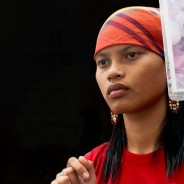
[posted on Global Witness, July 24th, 2018] Global Witness today reveals that at least 207 land and environmental defenders were killed last year – indigenous leaders, community activists and environmentalists murdered trying to protect their homes and communities from mining, agribusiness and other destructive industries. Severe limits on the data available mean the global total is probably much higher. Murder is the most egregious example of a range of tactics used to silence defenders, including death threats, arrests, intimidation, cyber-attacks, sexual assault and lawsuits. The report “At What Cost?” shows that agribusiness has overtaken mining as the industry most associated with these attacks. These include the murder of Hernán Bedoya in Colombia, shot 14 times by a paramilitary group for protesting against palm oil and banana plantations on land stolen from his community; an army massacre of eight villagers in the Philippines who opposed a coffee plantation on their land; and violent attacks by Brazilian farmers, using machetes and rifles, which left 22 members of the Gamela indigenous people severely injured, some with their hands chopped off. The report links this violence with the products on our shelves: large-scale agriculture, mining, poaching, logging all produce components and ingredients for supermarket products such as palm oil for shampoo, soy for beef and timber for furniture. The report also reveals that some governments and businesses are complicit in the killings, with Global Witness calling for urgent action if the trend is to be reversed. As well as being part of the problem, governments and business can be part of the solution. They must tackle the root causes of the attacks, for example ensuring communities are allowed to say ‘no’ to projects, like mining, on their land; support and protect defenders at risk and ensure justice is served for those suffering from the violence. Ben Leather, Senior Campaigner, Global Witness said: “Local activists are being murdered as governments and businesses value quick profit over human life. Many of the products emerging from this bloodshed are on the shelves of our supermarkets. Yet as brave communities stand up to corrupt officials, destructive industries and environmental devastation, they are being brutally silenced. Enough is enough. “Governments, companies and investors have the duty and the power to support and protect defenders at risk, and to guarantee accountability wherever attacks occur. But more importantly, they can prevent these threats from emerging in the first place, by listening to local communities, respecting their rights, and ensuring that business is conducted responsibly. “Despite the odds they face, the global community of land and environmental defenders is not going away – it’s only getting stronger. We invite consumers to join us in campaigning alongside defenders, taking their fight to the corridors of power and the boardrooms of corporations. We will make sure their voices are heard. And we will be watching to ensure that defenders, their land, and the environment we all depend on are properly protected.” Other key findings include: Brazil recorded the worst year on record anywhere in the world, with 57 murders in 2017. 48 defenders were killed in the Philippines in 2017—the highest number ever documented in an Asian country. 60% recorded murders were in Latin America. Mexico and Peru saw marked increases in killings, from 3 to 15 and 2 to 8, respectively. Nicaragua...
read moreThe United Nations Open-Ended Intergovernmental Working Group on Transnational Corporations and Other Business Enterprises with respect to Human Rights (OEIGWG) was established on 26 June 2014 by the UN Human Rights Council. Its mandate is to “elaborate an international legally binding instrument to regulate, in international human rights law, the activities of transnational corporations and other business enterprises”. On 16 July 2018, after a series of informal consultations and meetings, the Permanent Mission of Ecuador has released the first draft of the legally binding instrument, that will be negotiated during the 4th Session of the OEIGWG which will take place from 15 to 19 October 2018. The draft can be accessed here More information on the OEIGWG...
read more
[posted by Ucilia Wang on Climate Liability News, June 19th, 2018] The three Colorado communities that filed a climate liability lawsuit against ExxonMobil and Suncor Energy have added a conspiracy allegation to the complaint, which describes attempts by the two companies to deceive the public about the impact of fossil fuels on the climate. The amendment came two months after the city and county of Boulder, along with the County of San Miguel, first filed suit to seek a yet-specified amount of money to compensate for the damage caused by climate change. The communities are demanding the oil companies pay for efforts to adapt to and minimize the impact of climate change, which includes more severe wildfires, drought, floods, loss of mountain snowpack and pest-infested forests. The communities contend that Exxon and Suncor deliberately misled the public by failing to disclose the climate impact of fossil fuels. According to the lawsuit, both companies knew in the 1960s that they were selling goods that are the major drivers of global warming and cause public harm. The added conspiracy claim is meant to highlight company actions that were already in the initial complaint, said Marco Simons, legal counsel for EarthRights International, an advocacy group that is providing legal support for the communities. If the new allegation is found true in court, it can make each company liable for the other’s conduct, he said. “They both have a major presence in the state of Colorado, and they have connections to each other with respect to their conduct in Colorado,” Simons said. Both companies have yet to file their response to the lawsuit. Exxon did not respond to a request for comment on the lawsuit. A Suncor spokesperson said, “In regards to the amendments, we are reviewing and will work through the appropriate next steps. We believe that progress on climate requires parties working together to find solutions and this lawsuit is polarizing and counterproductive.” Colorado is a strong U.S. foothold for Suncor, a Canadian oil sands company. It runs one refinery and 47 gas and diesel stations in the state. Suncor says it supplies about 35 percent of the gasoline and diesel in Colorado. Exxon and Suncor have a strong business relationship. Suncor licenses the ExxonMobil brand for some of its retail stores in Colorado. Suncor co-owns an oil sands company, Syncrude Canada, with investors that include Imperial Oil, which is majority owned by Exxon. The lawsuit is one of 13 filed recently by American communities seeking compensation from fossil fuel companies for climate impacts. The most recent lawsuit came from Washington State’s King County, which includes Seattle. Other cities that have filed lawsuits include San Francisco, Oakland and Santa Cruz. New York City sued five oil companies and went to court last week to argue against a motion to dismiss the case. The presiding U.S. District Court Judge John F. Keenan, who didn’t rule immediately, expressed doubts that the city could sue fossil fuel companies when it relies on oil and gas to run public services such as fire and police. Historically, courts have acknowledged that climate change poses a serious threat to public and environmental health, but have not held any fossil fuel companies responsible. The Colorado plaintiffs, which are pursuing their case in the state court, argue that Exxon and Suncor’s deceptive tactics to market and sell fossil fuels have...
read more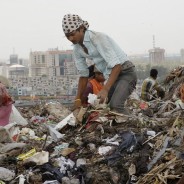
[posted on The Conversation, June 4th, 2018] Environmental justice activism is to this age what the workers’ movement was for the industrial age – one of the most influential social movements of its time. Yet, despite its consistent progress since the 1970s, environmental justice protests seem to get lost in the morass of information on broader environmental issues. In contrast, labour conflicts, including strikes and lock-outs, carry such gravity that the International Labour Organization tracks these on a systematic basis. As more communities are refusing to allow the destruction and contamination of their land, water, soil and air, these, in turn, deserve to be counted. The Environmental Justice Atlas (EJAtlas), an inventory of social conflicts around environmental issues, fills that gap. It is funded by two successive European research projects, through a collective effort of scientists and activists. It records the failures and successes of the worldwide movement for environmental justice. The project is directed and coordinated by Leah Temper, Daniela Del Bene and Joan Martínez-Alier at the Institute of Environmental Science and Technology at the Autonomous University of Barcelona. It has collected and categorised about 2500 ecological distribution conflicts. These focus on who gains and who loses in development processes, arguing that these movements play a fundamental role in redefining and promoting sustainability. In honour of World Environment Day, on June 5th, some of the highlights of the most pertinent findings, stemming from the ten most critical categories of environmental distribution conflicts facing the world today are shown. These are listed in order of most-catalogued cases in the EJAtlas. But due to the nature of the project, this is not indicative of its global significance. The top ten environmental conflicts Land grabbing – 600+ conflicts. Booming palm oil production is behind a land-grabbing surge for plantations, which threatens communities. Palm oil is now in half of all packaged products sold in the supermarket. These plantations replace food crops, deprive farmers from their land, increase slave labour, cause environmental destruction like deforestation, water pollution, infertile soil and fires. Grassroots activist networks achieved temporary suspensions of further expansion of what they call green deserts in Honduras, Colombia, México, Indonesia and Myanmar. Renewable energy conflict – 31 wind; 326 water infrastructure conflicts Renewables are necessary in a post-carbon world, but mega dams like Narmada in India and mega wind projects in Mexico, Kenya, India are triggering conflicts. Methane emissions and cost overruns are hidden behind a twisted sustainability discourse to justify a new wave of dams, especially in the Himalayas, Amazon basin, Balkans and Africa. In response, some rural communities are creating cooperative wind energy models as alternatives to the corporate schemes. These in turn reshape global production and consumption patterns. Also, communities expose the injustice of large-scale dam projects and redefine their own energy transformations. Mega-mining – 270 conflicts New technologies, highly polluting chemicals and massive amounts of water accompany mega-mining expansion in Latin America and Western Africa. Examples of this is seen in bauxite or iron in Guinea, gold in Burkina Faso, Senegal and Ghana). Resistance in Latin America and Africa is strong. Often, there is high participation and leadership of women. Affected communities are developing new local initiatives that are more sustainable. Unburnable fuels – 178 conflicts The fossil fuel industry, faced with declining stocks, depends on unconventional means and locations of extraction. These extend to oil sand drilling and fracking to Arctic drilling and deep water petroleum sources. It has caused contamination of fresh water supplies, devastation of marine systems, seismic activity and global warming. This gave rise to a Blockadia movement of direct action. Blockadia connects the various struggles to highlight the global and local threats posed by oil, coal and gas extraction. Massive oppositions have resulted...
read more
[posted by J Sam Daniel Stalin on NDTV, May 28th, 2018] In the village of 2,000, around 60 people have cancer and they blame the smelter, even though the state government has not carried out any specific study to identify the cause for cancer in high numbers among residents around the plant. In a village called Silverpuram in Tamil Nadu, 31-year-old Ram Lakshmi’s husband Murugan died of intestinal cancer three years ago. Visually challenged Ram Lakshmi now struggles to make ends meet. She earns Rs. 2,500 a month and sends two children to school – Tamil Selvam and Tamil Selvi. Her son wants to be a police officer; her daughter is yet to make up her mind. Next door, Meera lost her husband Subaiah recently to liver cancer. Her husband’s treatment wiped her out. Meera’s son was forced to drop out of school to earn some money. He works as a truck cleaner now. Meera is somehow managing to send her daughter to school. On the same street, a few houses away, Helen Hepsibah is suffering from cancer of the kidneys. Helen had surgery recently for the removal of one of the affected kidneys. Six years ago, Helen’s friend A Rajaselvi, in the same neighbourhood, lost her mother Velamal to uterine cancer. All three live in a village in Tuticorin that is just about 3 km from Vedanta’s Sterlite plant – the epicenter of protests by hundreds of villagers against a copper smelter they said was harming the environment and their health. In the village of 2,000, around 60 people have cancer and they blame the smelter, even though the state government has not carried out any specific study to identify the cause for cancer in high numbers among residents around the plant. Sterlite asserts that the correlation between industrialization and cancer is “misplaced” and has not been established by any study. Ram Lakshmi isn’t convinced. “This plant should not be allowed. No children should suffer like this. When others call their fathers appa, my children are unable to,” she says. Her neighbour Meera says: “They should shut down Sterlite. At least our children should be fine.” Effluents, slag and gypsum dumped over the last two decades have contaminated the ground water in several areas around the plant, say activists, adding that several water bodies and public tube wells have been abandoned as the water is discoloured and unusable. An analysis by the state pollution control board of water samples from 15 locations in the vicinity of the Sterlite plant revealed toxins beyond the safe limit, according to official sources. Sources in the Tamil Nadu Pollution Control Board have told NDTV that neurotoxins like lead were detected in the water, in quantities as high as 39 to 55 times the safe limit. Countering the allegations, Sterlite furnished reports of tests by the anti-pollution board on water from village bore-wells in the vicinity of the plant. The report shows that the arsenic, zinc and fluoride content in the water are within permissible limits, but does not talk about lead. Sterlite also refers to a report in 2014 by the state Health Department, in which Thoothukudi ranked behind many districts in the number of cancer cases. Another more recent government report indicates Tuticorin is not among the cities in Tamil Nadu with the highest...
read more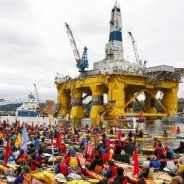
It is illegal to set fire to someone’s house; we believe it is also illegal for fossil fuel companies to knowingly burn our common home. Today, the global call for climate justice is growing louder, Sara Shaw and Freek Bersch write Twenty years ago, Shell made a prediction. In a scenario-planning exercise, the fossil fuel company prophesied a series of violent storms caused by catastrophic climate change would hit the east coast of the United States. Following the storms, the 1998 document unearthed by journalist Jelmer Mommers says, ‘a coalition of environmental NGOs brings a class-action suit against the US government and fossil-fuel companies on the grounds of neglecting what scientists (including their own) have been saying for years: that something must be done.’ Shell’s oracles could have not have been more accurate. The social reaction to the use of fossil fuels is growing, and people are fed up with corporate impunity and are fighting the British-Dutch oil giant in the world’s courts. Shell knew that its operations would increase the likelihood of extreme weather events, such as last year’s hurricanes Irma, Jose, Maria and Harvey. Shell has known since the 1960s that CO2 contributes to global warm-ing and that fossil fuels are a primary source of CO2 emissions. And Shell knew that we, the inhab-itants and caretakers of this planet, would become fierce opponents of their company and demand action. The People vs. Shell Shell’s activities and business model constitute a profound risk for humankind. In April, Friends of the Earth Netherlands (Milieudefensie) wrote to Shell, arguing that the company is breaching its legal duty of care by undermining the Paris climate agreement. In that letter we demanded that the company align its business activities with that agreement, reduce oil and gas investments, and re-duce greenhouse gas emissions to zero by 2050. Shell rejected our demands in their response sent on Monday. Worse, the company callously urged shareholders to vote against a resolution asking the company to set emission reduction targets in line with the Paris agreement at its annual general meeting last week. Most investors followed Shell’s advice and the resolution was rejected. Since Shell rejected our demands, we are taking the company to court in the Netherlands to force them to reduce their emissions to net-zero by 2050. Our case is unique because we are not seek-ing compensation for damages. Instead, we are demanding that Shell aligns its business model with climate targets and that fossil fuels be kept in the ground. More than 25,000 people from 80 countries have already supported our case against Shell, including almost 12,000 Dutch citizens as co-claimants. If successful, our ground-breaking case will significantly limit Shell’s global oil and gas investments. We’re using the Dutch legal system to stop Shell because its Netherlands-registered parent company, Royal Dutch Shell, determines the group’s climate policy. Dutch law places Shell under a legal obligation to respect human rights and act responsibly, in accordance with the applicable duty of care standard. Duty of care is an open legal standard to be substantiated on the basis of the circumstances of the case at hand. The standard is determined on the basis of scientific findings and treaty provisions, among other things. By its own admission decades ago, Shell does not operate in a vacuum. Its actions affect all life on our planet, and Shell cannot be...
read moreAggiornamento progetto CleanUp 100celle – Patagonia
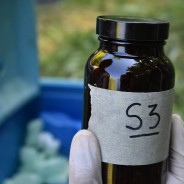
Mercoledì scorso, con il supporto tecnico di SOURCE International e della PL, abbiamo prelevato 8 campioni di suolo all’interno del Parco Archeologico di Centocelle. Il progetto intende arrivare ad una conoscenza puntuale delle criticità ambientali dell’area, attraverso un’analisi indipendente del suolo, e a diffondere i risultati ottenuti ai cittadini del quartiere e alla pubblica amministrazione. L’obiettivo è sollecitare l’attività di bonifica del parco. I campioni verranno analizzati nelle prossime settimane, a presto per gli aggiornamenti! Guarda la scheda del progetto CleanUp 100Celle Guarda la scheda del...
read more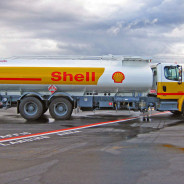
[posted by Chloe Farand on DesmogUK, June 18th, 2018] One of the biggest corruption cases faced by the oil industry in recent years is due to resume in Milan on Wednesday as two of the world’s biggest oil companies Royal Dutch Shell and Italian firm Eni are facing trial. Prosecutors are bringing criminal charges against Shell and Eni executives over allegations of corruption regarding a $1.3 billion oil deal in Nigeria. This is the first time an oil company as large as Shell or senior executives of a major oil company have ever stood trial for bribery offences. The case, which has been repeatedly delayed, involves the 2011 purchase by Shell and Eni of Nigeria’s OPL 245 offshore oilfield — one of Africa’s most valuable oil blocks. Prosecutors in Milan have accused Shell and Eni of paying bribes to win the licence to explore the field which has never entered into production. They allege that Shell and Eni paid $1.1 billion into an account for the Nigeria government of which $800 million was later transferred to Malabu Oil and Gas, a company secretly owned by former Nigerian petroleum minister and convicted money launderer Dan Etete, to be distributed as payoffs. The $800 million payment was wired through London by bank JP Morgan Chase. A lawsuit accusing JP Morgan of negligence against the transfer has been filed against the bank in Nigeria. According to court documents seen by Reuters, the bank admitted it knew Etete would benefit from the $800 million payment. It also argued the UK’s Serious Organised Crime Agency (now the National Crime Agency) approved the payment. JP Morgan denied negligence and previously said it “considers the allegations made in the claim to be unsubstantiated and without merit”. Prosecutors in Milan have also alleged that $520 million from the deal was converted into cash and intended to be paid to the then Nigerian President Goodluck Jonathan, members of the government and other Nigerian government officials. They claimed $50 million in cash was also delivered to the home of Eni executive Roberto Casula. Charges have been brought against Eni’s chief executive Claudio Descalzi and former chief of exploration and production for Shell Malcolm Brinded. No current Shell officials are facing charges in the case. Both Shell and Eni have repeatedly denied wrongdoing. In a statement, Shell said: “We believe the trial judges will conclude that there is no case against Shell or its former employees. There is no place for bribery or corruption in our company.” On its website, Eni said: “Eni’s Board of Directors has reaffirmed its confidence that the company was not involved in alleged corrupt activities in relation to the transaction.The board of directors also confirmed its full confidence that chief executive Claudio Descalzi was not involved in the alleged illegal conduct and, more broadly, in his role as head of the company.” The case is likely to shed some light on the murky dealings of international oil companies to access resources, including paying governments large sums of money in exchange of securing licensing rights. Barnaby Pace, from NGO Global Witness, said the trial could be “a turning point” for the oil industry. He said: “Some of the most senior executives of two of the biggest companies in the world could face prison sentences for a deal struck under their watch. Shell has recently accused one of these former executives of taking kickbacks in a separate Nigerian deal. How long before Shell cracks over this case too?” The case also highlights the role played...
read more