
La voce di A Sud dalla COP30 di Belém (Brasile) e le iniziative in Italia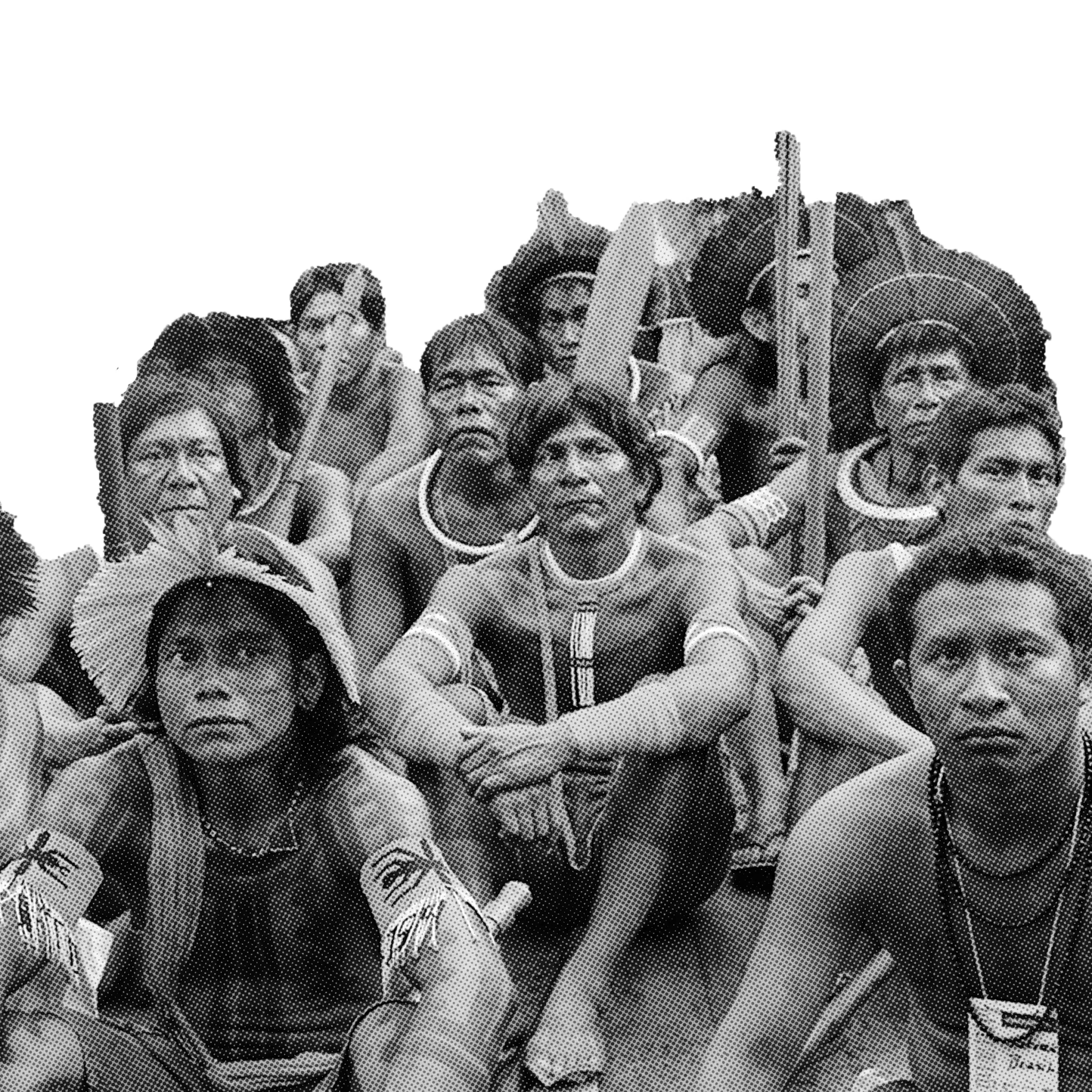
Dal 10 al 21 novembre 2025 saremo a Belém, in Brasile, per partecipare come osservatori alla 30° Conferenza delle Nazioni Unite sul Clima. Racconteremo quanto avviene dentro e fuori le negoziazioni, porteremo e raccoglieremo le voci dei territori in lotta contro l’estrattivismo, contro il greenwashing e per una transizione ecologica realmente giusta.
Iscriviti al bollettino Sostieni il nostro lavoroL’agenda della COP30
A Belém si discuteranno e valuteranno gli NDCs, i nuovi impegni climatici nazionali che stabiliscono gli obiettivi di riduzione delle emissioni di ogni paese. Accanto alla mitigazione, l’adattamento sarà uno dei temi centrali attraverso il Global Goal on Adaptation (GGA) e i nuovi Piani nazionali di adattamento. Un altro capitolo chiave sarà quello della finanza per il clima. Tra i punti principali il nuovo obiettivo di finanziamento (NCQG), che punta ad aumentare il sostegno ai Paesi in via di sviluppo da 100 a 300 miliardi di dollari l’anno, e la Roadmap Baku-Belém, che traccia un percorso per mobilitare almeno 1.300 miliardi di dollari l’anno entro il 2035.
Temi cruciali, che si scontrano con uno scenario geopolitico ostile, segnato dal negazionismo climatico, dai venti di guerra, dalla corsa al riarmo e dalla violenza istituzionale. Non è un caso che in gioco a Belém ci sia più che mai la credibilità della diplomazia climatica e la sua capacità di tradurre le intenzioni in impegni concreti.
La Cupula dos povos
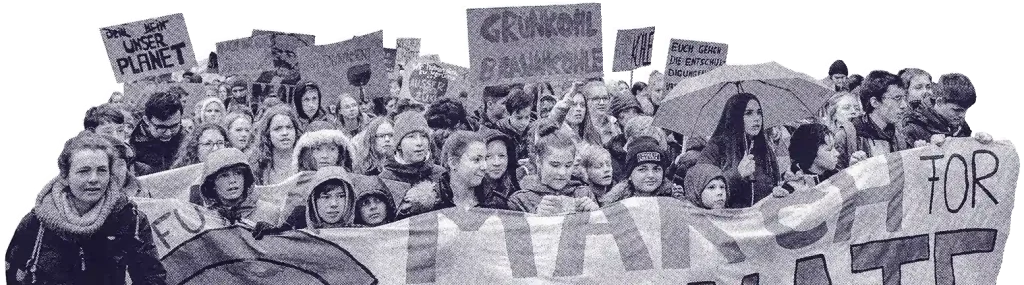
La Cúpula dos Povos è il grande incontro dei movimenti sociali e delle comunità che vivono in prima linea la crisi climatica. Nata nel 1992 come risposta critica alle negoziazioni ufficiali, propone un’alternativa fondata su giustizia climatica, sociale e ambientale, solidarietà e saperi ancestrali.
Dal 12 al 16 novembre 2025, in concomitanza con la COP30 di Belém, riunirà popoli indigeni, comunità quilombola e tradizionali, giovani e lavorator? in marce, dibattiti e azioni culturali.
La Cúpula mette al centro vite, diritti e territori, non statistiche: unisce chi costruisce ogni giorno soluzioni reali, dall’agroecologia alla difesa dei beni comuni, per spingere i governi ad adottare politiche di vera giustizia climatica.
Dichiarazione della Cupula Dos Povos
 Perché A Sud e CDCA alla COP?
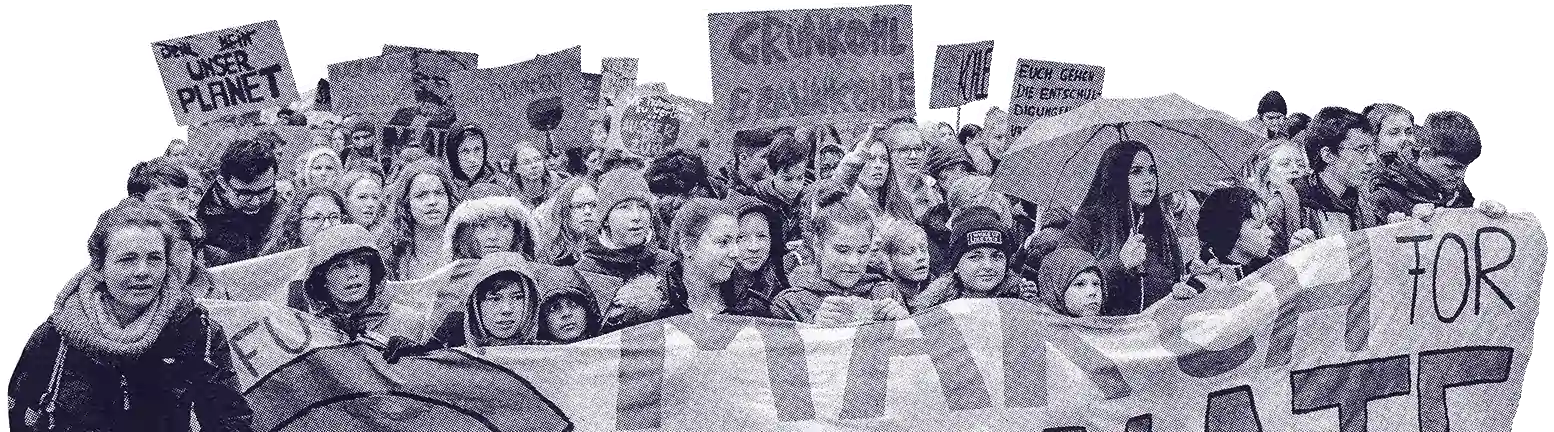
Nelle Cop si riuniscono i governi dei 197 Paesi che hanno ratificato la Convenzione Quadro delle Nazioni Unite sui Cambiamenti Climatici (UNFCCC), firmata a Rio de Janeiro nel 1992. Ma la COP30 non è solo un vertice diplomatico: è il terreno di confronto (e di scontro) tra attori diversi e diverse visioni del mondo. Da una parte il business as usual che trasforma la crisi climatica in profitto, dall’altra movimenti e territori che lottano per giustizia climatica, autodeterminazione e diritti della Natura.
La COP30 si terrà nel cuore dell’Amazzonia, a Belém do Pará, in Brasile. Non è un dettaglio geografico ma una scelta politica: è nel Sud globale che l’ingiustizia climatica colpisce più duramente mentre il Nord globale continua a negoziare emissioni e interessi fossili.
Qui non si decide solo il futuro del clima: si decide chi avrà diritto a un futuro.
Per raccontare cosa c’è in gioco, e come finisce la partita.
Andiamo alla COP per osservare da vicino i negoziati, capire quali equilibri politici e di potere si stanno ridefinendo, e portare la prospettiva dei territori e dei movimenti che chiedono giustizia climatica.
La partecipazione di A Sud e CDCA serve a connettere le lotte locali con quelle globali, rafforzare alleanze internazionali e raccontare – con sguardo indipendente e critico – come la diplomazia climatica sta affrontando, o eludendo, le proprie responsabilità.
Perché solo intrecciando voci e resistenze dal basso possiamo costruire un futuro giusto per tutt?.
Per costruire e rafforzare alleanze internazionali
Svolgere la COP in Brasile è un segnale che conta: significa rimettere al centro chi la crisi climatica la subisce davvero. Andiamo a Belém per stare con i movimenti globali per la giustizia climatica. In America Latina oggi si gioca una partita enorme: conflitti ambientali, estrattivismo, repressione, lotte indigene e popolari che resistono da decenni. Con tante realtà — dalla Colombia alla Bolivia, fino all’Amazzonia — abbiamo già lavorato, fatto campagne, costruito ponti. Lì ritroviamo compagn? con cui condividiamo visioni e pratiche.
Per portare una visione radicale dentro la COP
Sì, probabilmente sarà l’ennesimo flop diplomatico. Ma proprio per questo dobbiamo esserci, per non lasciare quei tavoli alle lobby fossili e ai governi che parlano di transizione mentre trivellano.
Da dentro vedi meglio le dinamiche, le crepe, le possibilità di alleanze e di conflitto.
Andiamo per portare la prospettiva della giustizia climatica e delle lotte dal basso, che legano crisi climatica, razzismo, patriarcato e disuguaglianze. La COP non è un punto d’arrivo: è un passaggio. Il resto si fa fuori, insieme, ogni giorno.
Diario dalla COP30
- Giorno 12 – 24 novembre 2025
Belém svela il fallimento della diplomazia climatica, ma apre spiragli: una roadmap anti-fossile e nuove alleanze per la giustizia.
Leggi l’articolo / Ascolta su Scanner
- Giorno 11 – 21 novembre 2025
Penultimo giorno a Belém: incendio in COP30, stalli politici e pressioni crescenti sul BAM e sull’uscita dai fossili.
Leggi l’articolo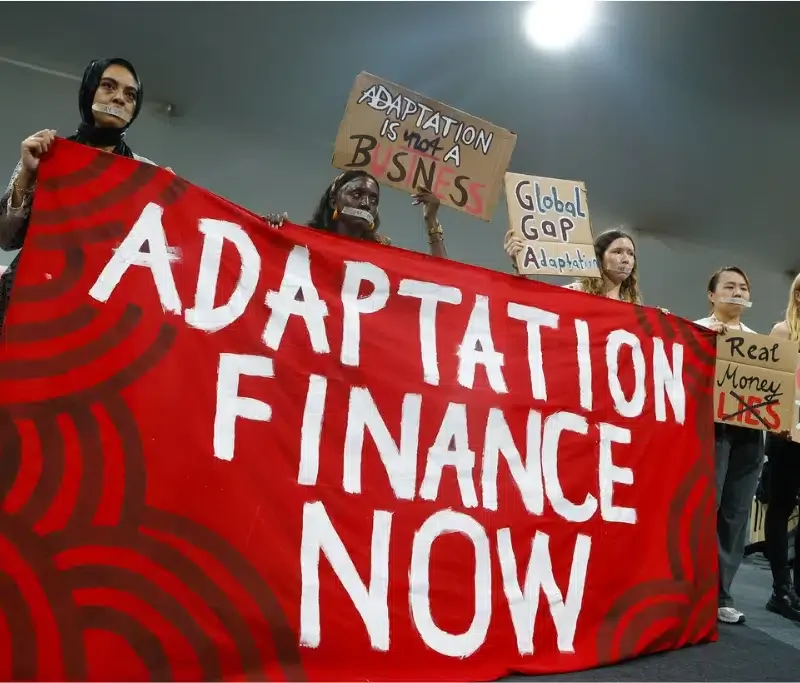

- Giorno 10 – 20 novembre 2025A Belém 85 Paesi spingono per uscire dai fossili, mentre Italia e Polonia frenano. La COP30 è al bivio, il tempo è adesso.
- Leggi l’articolo / Ascolta su Scanner
- Giorno 9 – 19 novembre 2025
Belém rilancia la lotta globale ai fossili: la Colombia guida un fronte che vuole uscire davvero dal modello che brucia il pianeta.
Leggi l’articolo / Ascolta su Scanner
- Giorno 8 – 18 novembre 2025
Alla COP30 la transizione dai combustibili fossili sembra lontana, mentre i fondi dell’adattamento sono sotto il minimo.
Leggi l’articolo / Ascolta su Scanner
- Giorno 7 – 17 novembre 2025
Belem in rivolta: popoli indigeni e movimenti sociali spingono per una COP30 che dica finalmente basta ai fossili.
Leggi l’articolo / Ascolta su Scanner

- Giorno 6 – 15 novembre 2025
Anche quest’anno i dati sulla presenza dei lobbisti Gas&Oil alla conferenza di Belém sono alti: su ogni 25 persone accreditate al vertice, uno è un lobbista dei combustibili fossili, in totale sono oltre 1600.
Leggi l’articolo
- Giorno 5 – 14 novembre 2025
Il TFFF entra nella Cupula tra promesse e contraddizioni: fondi incerti, debiti in aumento e movimenti che denunciano l’ennesima falsa soluzione verde.
Leggi l’articolo / Ascolta su Scanner
- Giorno 4 – 13 novembre 2025
A Belém la protesta indigena irrompe nella COP30 e svela le contraddizioni del Brasile fossile. Intanto la Cupula esplode di mobilitazioni globali.
Leggi l’articolo /Ascolta su Scanner
- Giorno 3 – 12 novembre 2025
Adattamento al centro della COP30, ma i fondi restano insufficienti. A Belém arrivano movimenti e comunità indigene: la vera pressione viene dai territori.
Leggi l’articolo / Ascolta su Scanner
- Giorno 2 – 11 novembre 2025
Lula parla di disuguaglianze alla Cop30, ma il Brasile continua a spingere sul fossile. A Belém torna al centro il nodo tra clima e ingiustizia.
Leggi l’articolo / Ascolta su Scanner
- Giorno 1 – 10 novembre 2025
Dalla Cop30 alla Cúpula dos Povos: a Belém si apre la sfida per la giustizia climatica tra responsabilità globali, diritti dei popoli e resistenza dei territori.
Leggi l’articolo / Ascolta su Scanner
Articoli di approfondimento alla COP30
- Cosa resta della Cop30, la battaglia per il clima e i diritti è ancora lunga – 24 novembre 2025
Marica Di Pierri e Laura Greco su Domani – COP30 fallisce su fossili e foreste, ma il Bam e il blocco dei 82 paesi per l’uscita dal fossile aprono spiragli di lotta e nuove alleanze.
Leggi l’articolo
- Sulla fine dei lavori della COP30 – 24 novembre 2025
Marica Di Pierri su EconomiaCircolare.com – Cosa è successo alla 30° Conferenza delle Parti della Convenzione delle Nazioni Unite sui cambiamenti climatici? Quali sono le grandi vittorie? Quali le sconfitte?
Guarda la diretta
- La tabella della discordia – cos’è successo alla COP30 – 23 novembre 2025
Laura Greco su Radio24 – COP30 a Belém annuncia impegni su energia, foreste e adattamento, ma senza una vera uscita dal fossile restano promesse vuote da incalzare con lotte dal basso.
Ascolta su Il Sole 24 ore
- “A resposta somos nós”. Ma alla COP30 le richieste dei popoli indigeni non fanno breccia – 23 novembre 2025
Laura Greco su EconomiaCircolare.com – Alla COP30 le voci indigene restano ai margini mentre la foresta corre verso il punto di non ritorno. Senza giustizia, non c’è futuro.
Leggi l’articolo
- La “Dichiarazione di Belém” e il multilateralismo del phase out dai fossili spinto dal basso – 21 novembre 2025
Laura Greco su Altreconomia – Da Belém arriva una spinta dal basso per uscire dai fossili: governi e movimenti uniscono le voci per un phase out reale, giusto, globale.
Leggi l’articolo
-
- Cop30: senza il Gender action plan ogni azione climatica è limitata – 21 novembre 2025
Marica Di Pierri e Laura Greco su Valori – Nonostante le ambiziose premesse il Gender action plan ha trovato diversi ostacoli sui tavoli negoziali della Cop30
- Cop30: senza il Gender action plan ogni azione climatica è limitata – 21 novembre 2025

- Alla Cop30 arrivano le storie di migrazioni climatiche – 21 novembre 2025
Marica Di Pierri su EconomiaCircolare.com – Alla Cop30, in vista delle negoziazioni finali, si parla del fenomeno crescente degli sfollamenti forzati dal cambiamento climatico.
Leggi l’articolo
- Belém, la foresta degli indigeni si ribella a Lula – 20 novembre 2025
Laura Greco su Il Manifesto – Le nazionalità dell’Amazzonia denunciano l’inagibilità politica alla Cop e chiedono una mobilitazione internazionale guidata direttamente dai popoli indigeni per proteggere i loro territori e affrontare la crisi climatica alla radice
- Alla Cop 30 i movimenti si riprendono la scena – 20 novembre 2025
Marica Di Pierri su Il Manifesto – Era dalla Cop 26 di Glasgow che non si vedeva così tanta società civile. Accanto al vertice ufficiale, in più di 50 mila hanno animato la «Cupula dos povos» per una svolta vera sul clima e i diritti
Leggi l’articolo
- COP30, BELÉM | Italiani in mobilitazione – 20 novembre 2025]
Il Climate Pride in azione alla COP30: l? attivist? chiedono all’Italia una roadmap chiara e ambiziosa per uscire dai fossili.
Leggi il comunicato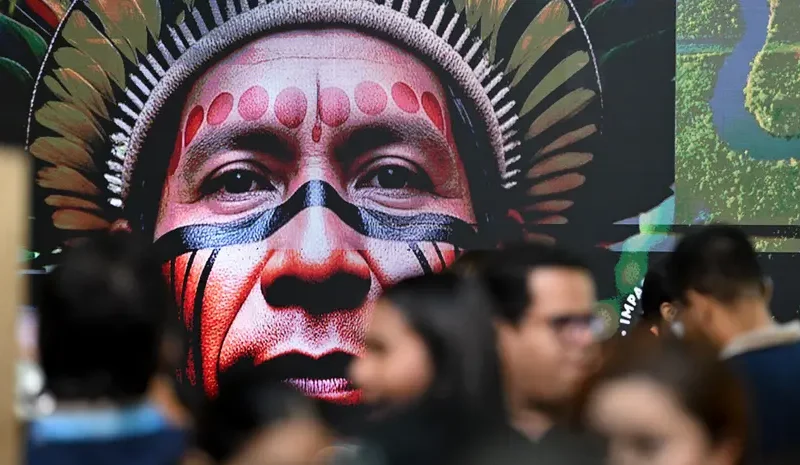

- A Belém torna il protagonismo sociale – 19 novembre 2025
Marica Di Pierri su Collettiva – Alla Cop30 movimenti, organizzazioni, popoli e sindacati riacquistano centralità: proposte e campagne dal basso sono arrivate nelle stanze dei negoziati.
Leggi l’articolo
- Come procede la COP30 in Brasile? Intervista a Laura Greco da Bélem – 19 novembre 2025
Laura Greco su Scienza e Pace Magazine – COP30 tra repressione, lobby fossili e resistenze indigene: la giustizia climatica la costruiscono i territori, non i negoziati.
Leggi l’articolo
- Lifegate dalla COP30 – 18 novembre 2025
Marica Di Pierri su Lifegate – Dalla COP30 il racconto dell’inedita comunicazione tra dentro e fuori la COP, tra le richieste indigene e l’ambiguo governo di Lula.
Ascolta su Lifegate
- Il Fondo per le foreste e la falsa soluzione del biocapitalismo si ripropone alla Cop30 di Belém – 18 novembre 2025
Laura Greco su Altreconomia – Il Tropical forests forever facility lanciato da Lula è l’ennesimo dispositivo finanziario che viene presentato come innovazione.
Leggi l’articolo
- Attivismo e giustizia climatica: se il diritto alla protesta diventa un reato – 17 novembre 2025
Marica Di Pierri su Valori.it – Alla Cop30 emerge un allarme globale: in molti Paesi il diritto alla protesta viene represso e l’attivismo ambientale è sempre più criminalizzato
Leggi l’articolo
- Alla Cop30 di Belèm il fondo per l’adattamento resta senza fondi – 17 novembre 2025]
Marica Di Pierri su EconomiaCircolare.com – Alla Cop30 fallisce, per il terzo anno di fila, l’obiettivo di raccolta minima per finanziare l’adattamento dei Paesi del Sud globale.
Leggi l’articolo

- Massiccia partecipazione popolare a Belém – 16 novebre 2025
Marica Di Pierri su L’aria Che Respiri – Alla Cúpula dos Povos tantissime voci per reclamare la fine dei combustibili fossili e una giustizia climatica guidata dai popoli, non dalle multinazionali.
Ascolta su Radio Rai1
- In diretta da Bele?m – Aggiornamenti sulla prima settimana di COP30 – 15 novembre 2025
Marica Di Pierri su EconomiaCircolare.com – In diretta da Belém, per raccontare in diretta i lavori della 30° Conferenza delle Parti della Convenzione delle Nazioni Unite sui cambiamenti climatici. ?Foto di Oliver Ninja e Midia Ninja
Guarda la diretta
- Cop30: chi difende i combustibili fossili dentro i negoziati sul clima – 14 novembre 2025
Marica Di Pierri per Altreconomia – Alla Cop30 un lobbista fossile ogni 25 delegat?: il vertice che dovrebbe chiudere l’era fossile continua a farsela scrivere da chi la profitta.
Leggi l’articolo
- Giustizia climatica, questa dimenticata – 13 novembre 2025
Marica Di Pierri su Il Manifesto – Il legame tra clima e disuguaglianze è ormai assodato. Ma dopo 30 anni di conferenze, i ricchi continuano a fare grandi affari con i fossili.
Leggi l’articolo
- L’adattamento secondo la COP30: “Adattarsi è sopravvivere” – 13 novembre 2025
Marica Di Pierri per EconomiaCircolare.com – COP30 punta a rendere operativo il Global Goal on Adaptation, tra governance multilivello, indicatori, fondi insufficienti e necessità di giustizia climatica.
Leggi l’articolo
- La Cop30 in Brasile e le politiche industriali green – 11 novembre 2025
Marica Di Pierri per Tutta La Città Ne Parla, Radio3 – È iniziata la Cop30 a Belém, 10 giorni in cui si discuterà su come trovare una via d’uscita alla deriva del cambiamento climatico nonostante le difficoltà politiche che ci circondano.
Ascolta l’episodio
- Road to Belém – 7 novembre 2025
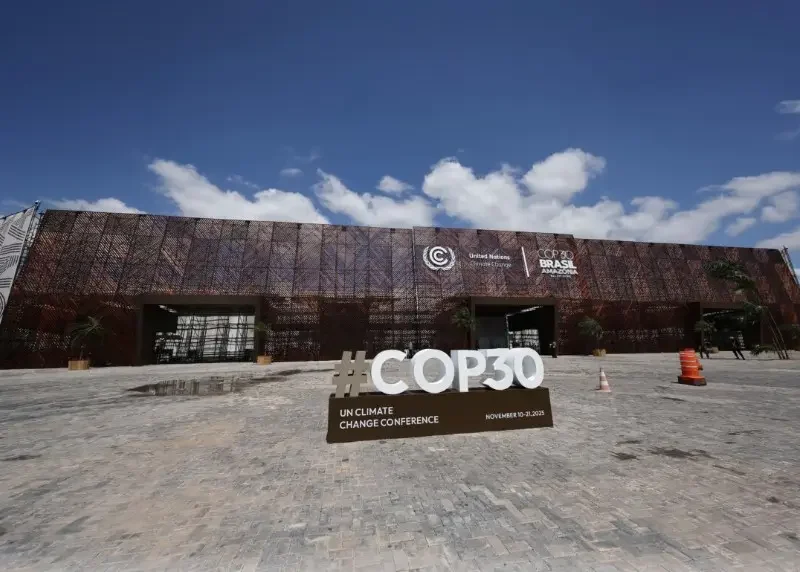 Marica Di Pierri per Valori.it – Verso la Cop30 di Belém, cosa aspettarci dal più importante appuntamento per salvare il clima della Terra? Diretta con Marica Di Pierri, Luca Lombroso, Giovanni Mori e Lorenzo Tecleme.
Guarda la diretta
 Marica Di Pierri per Valori.it – Verso la Cop30 di Belém, cosa aspettarci dal più importante appuntamento per salvare il clima della Terra? Diretta con Marica Di Pierri, Luca Lombroso, Giovanni Mori e Lorenzo Tecleme.
- Da Parigi a Belém, i conti che non tornano – 6 novembre 2025
Marica Di Pierri per Il Manifesto – Tra tensioni e fragili compromessi, i preparativi alla vigilia della Conferenza Onu. A che punto sono gli impegni nazionali di riduzione e i piani di adattamento dei singoli Paesi.
Leggi l’articolo
- A Sud a Belém alla Cop30 – 6 novembre 2025
A Sud seguirà negoziati e mobilitazioni dalla COP30 di Belém, amplificando le voci dei movimenti per giustizia climatica e sociale.
Leggi l’articolo
- A Sud aderisce alla Global Call to Action della Cúpula dos Povos – 5 settembre 2025
Il 15 novembre scendiamo in piazza: basta disuguaglianze e razzismo ambientale, vogliamo giustizia climatica e un mondo dove la vita sia al centro.
Leggi l’articolo
- Vertice dei Popoli Verso la COP30: Manifesto Politico – 13 giugno 2025
A Sud aderisce al Manifesto dei Popoli verso la COP30: un appello globale per giustizia climatica, anticapitalismo e democrazia dal basso.
Leggi l’articolo
Racconteremo le negoziazioni
Per spiegare cosa accade davvero alla COP30, come si muovono i governi e quali interessi guidano le scelte sulla crisi climatica. Vi offriremo una copertura quotidiana per raccontarvi con le nostre parole e con uno sguardo critico, indipendente e radicale, vicino ai movimenti il dentro e fuori la Cop
Sveleremo le contraddizioni
Tra le promesse ufficiali e la realtà, mostrando lo scontro continuo tra lobby fossili e popoli che difendono la vita e i territori. Denunceremo le responsabilità smascherando la falsa transizione energetica e chi continua a inquinare mentre parla di sostenibilità con greenwashing e false soluzioni
Daremo voce alle comunità
Portando le loro storie, le lotte quotidiane e le alternative concrete alla devastazione ambientale, contro colonialismo ed estrazione. Ci collegheremo con l’Italia per connettere istanze e battaglie
INFO E CONTATTI
Per contatti e interviste con la delegazione:
maricadipierri@asud.net
+ 55 21 967071220
Laura Greco
lauragreco@asud.net
+55 21 997673184
[posted by Rina Chandran on Global Citizen, April 25th, 2018] Parched Cape Town, in South Africa, has managed to push back its “Day Zero” – an estimate of when taps in the city could run dry – to 2019 after successful water-saving efforts. But in India, “Day Zero” has come and gone for residents in many parts of the country, where taps failed long ago and people have turned instead to digging wells or buying water. An expanding population, growing demand for water from agriculture and industry, and poor management of water supplies have sent India’s groundwater to ever lower levels. That reality, combined with rising temperatures, threatens worsening scarcity, experts say. Nearly 163 million people among India’s population of 1.3 billion – or more than one in 10 – lack access to clean water close to their home, according to a 2018 WaterAid report. That is the most of any country in the world, according to the UK-based charity, which aims to provide clean water and better hygeiene to people without them. Disputes with neighbours over the sharing of water from rivers that cross national boundaries also means tensions are rising as water shortages grow, said Michael Kugelman, a deputy director and South Asia expert at the Wilson Center, a policy think tank in Washington D.C. “Countries that get along the least are forced to share and cooperate over water resources, and many major rivers originate in, or pass through, politically contested and tense areas,” he told the Thomson Reuters Foundation. “So you have population growth, intensifying climate-change impacts, poor water management and geopolitical tensions. It’s a perfect storm for greater water insecurity,” he said. India is entangled in water disputes with its eastern and western neighbours – Bangladesh and Pakistan – which accuse it of monopolising water flows moving downstream toward them. To the north and northeast, however, India fears a loss of water to upstream China, which plans a series of dams over the Tsangpo river, called the Brahmaputra as it flows into eastern India. WATER LOSSES While India’s trans-boundary rivers are governed by treaties on how water should be shared, disputes are increasing as water shortages stoke tensions. Apart from in Bhutan and Nepal, South Asia’s per capita water availability is already below the world average. The region could face widespread water scarcity – less than 1,000 cubic metres available per person – by 2025, Kugelman said. Almost 600 million people in India are at high risk of being unable to continue relying on surface water – including in the country’s northwest and south, where much of the country’s staple wheat and rice are grown, according to the World Resources Institute. Water supply in India may fall 50 percent below demand by 2030, the Asian Development Bank has forecast. “Large parts of India have already been living with ‘Day Zero’ for a while now,” said Mridula Ramesh, author of an upcoming book on climate change. “Much of it is because of bad management. Most cities lose between a third and a fifth of their water from pilferage or leakage through antiquated pipes, and we don’t treat and reuse wastewater enough,” she said. Bengaluru, Karachi and Kabul are among the 10 cities in the world that are “on the verge of an imminent water...
read moreRifiuti tossici e processo Chernobyl: Biocidio e Somma Ingiustizia
[di Gianmario Sabini per Libero Pensiero, 17 aprile 2018] La regione Campania come Chernobyl. Il business immondo dello smaltimento illecito di rifiuti tossici investe tutte le province campane e anche parte della regione Puglia. Un giro d’affari che riguarda imprenditori, politici, autotrasportatori e agricoltori. Il totale dei profitti s’aggira intorno ai 60 milioni di euro. Il totale dei rifiuti interrati e dispersi nei territori campani, e riversati nelle acque fluviali ammonta a 980.000 tonnellate. Questi rifiuti tossici sono: scarti di tessuti vegetali, pietrisco, urine e letame di animali, fanghi derivanti da trattamenti di lavaggio, sbucciatura, centrifugazione, distillazione di bevande alcoliche, ceneri di carbone, imballaggi di carta e cartone, miscugli di cemento e ceramica, liquami di origine animale, scarti dall’eliminazione di sabbie, rifiuti di mercati e mense, reflui di acque urbane, reflui industriali, fanghi da fosse settiche di ospedali, abitazioni civili e persino di navi approdate al porto di Napoli. E poi, soprattutto, i fanghi tossici provenienti dal ciclo di lavorazione dei quattro impianti di depurazione campani. Infatti sono state individuate quattro direttrici lungo le quali avveniva l’attività di smaltimento illegale (Ecomafia). La prima riguarda le province di Napoli e di Caserta, dove tutto ruota attorno alla società Naturambiente e all’impianto di depurazione Espeko di Cuma. La seconda direttrice riguarda la provincia di Salerno, e passa attraverso la Sorieco di Mercato San Severino ed è lì che avveniva la trasformazione dei fanghi dei quattro depuratori in compost. Tutto ciò attraverso laboratori di analisi corrotti che producevano falsi certificati F.I.R. (formulario di identificazione del rifiuto). I fanghi tossici che entravano nei silos di compostaggio si trasformavano, miracolosamente, in concime con tanto di nulla osta sanitario. Poi subentra la Frama di Ceppaloni. Quella della provincia di Benevento è la terza direttrice. La società rileva e smaltisce (nei terreni e nei fiumi) i rifiuti della affiliata Sorieco. La quarta direttrice arriva fino alla provincia di Foggia, estensione dei territori inquinati sempre da Sorieco e Frama. Quindi nel sistema illegale di smaltimento di rifiuti venutosi a creare, le aziende erano al tempo stesso agenti e controllori. Avevano a disposizione gli impianti di compostaggio e trasportavano, sulla carta, il compost negli impianti di depurazione. Queste scorie tossiche venivano riutilizzate e vendute agli agricoltori in quanto concime: in tali materiali di compostaggio fu rinvenuto cromo esavalente e molto altro. Un attentato alla salute, un disastro ecologico protratto da affaristi senza scrupoli e da contadini compiacenti e omertosi, disposti ad avvelenarsi in cambio di poche manciate di soldi. La regione Campania è dal 1994 in stato d’emergenza rifiuti, questo fa sì che la gestione passi a un delegato del capo del governo con poteri speciali che dovrebbe mirare a riportare la situazione verso l’ordinario ma, in realtà, l’emergenza collima col profitto. La Campania è in ritardo nell’adozione di un nuovo piano per i rifiuti che non si basi sul ciclo, ormai obsoleto, di raccolta e sversamento. Il governo amplia i poteri dei commissari speciali e dà la possibilità, nei limiti del legittimo, che queste cariche possano essere ricoperte dai presidenti eletti delle Regioni. L’emergenza permette di varare un piano con cui s’affida l’intero ciclo dei rifiuti a imprese private, riducendo gradualmente la funzione di controllo istituzionale e, in virtù dello stato emergenziale, mutano continuamente le valutazioni di impatto ambientale, e i pareri tecnici sulla compatibilità ambientale...
read more
[by Sandra Leville, posted on The Guardian, April 12th, 2018] After plastic waste contributed to deadly floods in Recife, one neighbourhood took action. Now people can earn a living by cleaning up the river in a scheme being imitated around the world Maria das Gracas started collecting her plastic bottles after she saw the body of her neighbour floating past her house, carried along with the pollution that helped cause the deadly floods. She stores them by the front door of her one-story home, which sits on the litter-strewn banks of the Tejipió river in north-east Brazil. When she has enough she will take them to the local storage skip, where a litter collector will pay her two reals for 50 plastic bottles – about 40 pence. She’s not just doing it for the money. She’s doing it to stop the tide of plastic drowning this community. Every day Maria and other residents of Coqueiral, a poor neighbourhood in the city of Recife, feel the impact of the world’s plastic binge. It is visible in the waters of the river that once flowed freely through the area. Fifty years ago when Rildo Wandray was a boy, he would jump into the Tejipió and swim, while his friends fished beside him. Today the river is stagnant, obstructed at every tributary by a tide of plastic waste; Coca-Cola and Fanta bottles, water containers, crisp packets and wrappers. Globally, some 2 billion people live in communities with no rubbish collections. While international attention has focused recently on the marine plastic litter crisis, the devastating impact of plastic waste on the world’s poorest is no less destructive, causing flooding, disease, and hundreds of thousands of premature deaths from toxic fumes caused by the burning of waste. In Recife the plastic waste is exacerbating already devastating flooding from rising sea levels caused by climate change. And those living around the Tejipió have grown tired of waiting for the government to act. For das Gracas, the tipping point came when flooding took the life of one of her neighbours. “I was trapped inside my home with my son,” she said. “There was nothing we could do, the water came up and we could not get out. I looked out and saw a body float past. She was face down, I could see the hair. That night the flood nearly took me too. Ever since then I have collected my bottles, I wanted to try and do something to reduce the waste going into the river.” Organised and supported by the local baptist church through its project Instituto Solidare, local communities are mobilising: street protests, public meetings, awareness campaigns. They are also trying to build a network of entrepreneurs who can make a living out of collecting the waste, and turning it into products they can sell. The Recife campaign is supported by Tearfund, the international NGO which is lobbying for global development funding for waste projects to be increased from 0.3% to 3%; a move which would push waste higher up the international agenda, reduce global plastic littering, help cut marine litter and improve the environment and the lives of the world’s poorest and most vulnerable. On Thursday – in advance of the Commonwealth Summit in London next week – international development secretary Penny Mordaunt is expected to address the need...
read moreNel Mezzogiorno si muore di cancro fino al 28% in più
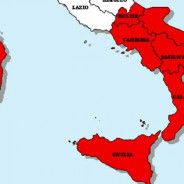
[di nelPaese.it, 19 aprile 2018] Il divario tra Nord e Sud è una questione di vita e salute, ormai. In Italia si muore meno per tumori e malattie croniche ma solo dove la prevenzione funziona, ovvero principalmente nelle regioni settentrionali. Al Sud, invece, la situazione è opposta: il tasso di mortalità per queste malattie è infatti maggiore di una percentuale che va dal 5 al 28% e la Campania è la regione con i dati peggiori. A sottolinearlo è il direttore scientifico dell’Osservatorio nazionale sulla salute delle regioni italiane, Alessandro Solipaca, in occasione della presentazione del Rapporto Osservasalute. Nel 2028 6,3 milioni di anziani non autonomi In soli 10 anni, ovvero nel 2028, si registrerà in Italia una popolazione anziana non autosufficiente pari a 6,3 milioni di persone. La proiezione è del Rapporto Osservasalute 2017: nel 2028, tra gli over-65 le persone non in grado di svolgere le attività quotidiane per la cura di se stessi (dal lavarsi al mangiare) saranno circa 1,6 mln (100 mila in più rispetto a oggi), mentre quelle con problemi di autonomia (preparare i pasti, gestire le medicine e le attività domestiche) arriveranno a 4,7 mln (+700 mila). Ciò, avverte il Rapporto, porrà “seri problemi per l’assistenza”. Evidente fallimento del Servizio sanitario nazionale “E’ evidente il fallimento del Servizio Sanitario Nazionale (Ssn), anche nella sua ultima versione federalista, nel ridurre le differenze di spesa e della performance fra le regioni italiane”. Ad affermarlo è il presidente dell’Istituto superiore di sanità (Iss), Walter Ricciardi, in occasione della presentazione del Rapporto Osservasalute. Riferendosi al gap tra le regioni italiane in termini di salute ed efficienza delle prestazioni del Ssn, Ricciardi rileva come “si tratta di differenze inique perché non ‘naturali’, ma frutto di scelte politiche e gestionali”. È dunque “auspicabile – afferma – che si intervenga al più presto partendo da un riequilibrio del riparto del Fondo Sanitario Nazionale, non basato sui bisogni teorici desumibili solo dalla struttura demografica delle Regioni, ma sui reali bisogni di salute, così come è urgente un recupero di qualità gestionale e operativa del sistema, troppo deficitarie nelle regioni del Mezzogiorno, come ampiamente evidenziato nel nuovo Rapporto Osservasalute”. Il dramma Campania La Campania e’ la Regione italiana con il piu’ alto tasso di mortalita’ precoce. E’ quanto emerge dal Rapporto Osservasalute 2017 presentato oggi a Roma. Il dato e’ 297,3 casi per 10.000 abitanti, con un tasso del 22% circa maggiore di quello nazionale e del 14% circa piu’ alto delle altre Regioni del Mezzogiorno. La Campania, quindi, risulta distaccata dalle altre Regioni, anche quelle del Sud,nonostante Osservasalute fotografi una situazione secondo cui “le differenze a livello territoriale della mortalita’ precoce non si sono colmate con il passare degli anni, anzi la distanza tra Nord e Mezzogiorno e’...
read moreCome si vive circondati dal carbone in Polonia
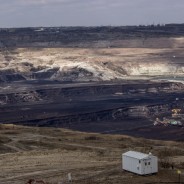
[di Martina Forti per Internazionale, 16 aprile 2018] Il belvedere affaccia su una conca nerastra, percorsa da grandi tubature metalliche e macchinari industriali. È la miniera di lignite di Be?chatów, in Polonia: profonda trecento metri, lunga nove chilometri e larga tre. Un cartellone mostra ai visitatori la mappa del terreno e spiega che la miniera “cammina”, lo scavo avanza in direzione ovest. La lignite alimenta la centrale elettrica sul lato opposto della conca: un edificio imponente che racchiude decine di turbine, cinque torri di raffreddamento e due camini che rilasciano un fumo denso e scuro. Be?chatów è la più grande centrale elettrica a carbone in Europa. E allo stesso tempo è un’anomalia. Con l’accordo sul clima firmato a Parigi nel 2015, l’Unione europea si è impegnata ad abbandonare il carbone, visto che è il combustibile più inquinante, è dannoso per la salute ed è la prima fonte di emissioni di anidride carbonica che riscaldano l’atmosfera terrestre. Tra il 2025 e il 2030, secondo le ultime decisioni della Commissione europea, sarà eliminato ogni finanziamento pubblico per gli impianti a carbone. Ma la Polonia, con i suoi 38 milioni di abitanti, va in controtendenza: è l’unico paese europeo che progetta nuovi impianti e nuove miniere, in particolare di lignite, il carbone più inquinante. L’argomento del governo polacco è semplice: il carbone assicura l’80 per cento dell’energia elettrica del paese – il 90, secondo il parlamento europeo. “È la base della nostra energia e non intendiamo abbandonarla”, ha detto il primo ministro Mateusz Morawiecki durante il suo discorso di insediamento, il 12 dicembre 2017. Ne ha fatto una questione di indipendenza energetica, contro l’ipotesi di importare gas naturale dalla Russia: l’ha chiamata “alternativa patriottica”. Così, mentre il resto d’Europa comincia a disinvestire dal fossile nero, Varsavia annuncia nuove miniere e progetta di aggiungere oltre dieci giga watt di potenza alle sue centrali a carbone, di cui 3,2 in impianti attualmente in costruzione. Morawiecki conta su una certa benevolenza: la Commissione europea permetterà al governo polacco di sovvenzionare le sue centrali a carbone. Inoltre, ha il sostegno di alcune grandi compagnie di assicurazione europee. Una rete di attivisti – tra cui l’organizzazione italiana Re:Common e Greenpeace – ha calcolato che Allianz, Munich Re e Generali dal 2013 a oggi hanno investito circa 1,3 miliardi di euro e sottoscritto almeno 21 contratti per assicurare alcune centrali a carbone in Polonia. Intanto però, delle cinquanta città più inquinate d’Europa, secondo l’Organizzazione mondiale della sanità, trentacinque sono in Polonia. Tra queste c’è anche Katowice, 300 chilometri a sud di Varsavia, capoluogo del Voivodato della Slesia, che per ironia della sorte nel dicembre 2018 ospiterà la conferenza delle Nazioni Unite sul clima. Gli attivisti e il governo “Abbiamo urgente bisogno di una transizione energetica”, dice Ewa Sufin-Jacquemart, che nel 2011 ha contribuito a fondare Strefazieleni (Zona verde), una delle prime associazioni ambientaliste in Polonia. “Ma il nostro governo continua a promettere solo carbone. Nessuna strategia per l’efficienza energetica, nessuno standard sui carburanti, le energie rinnovabili sono addirittura ostacolate. Il governo ci dice che consumare carbone è segno di crescita economica e quindi va bene”. Osserva che su una cosa si trovano d’accordo i due principali partiti del paese, Piattaforma civica (liberali) e Diritto e giustizia (destra nazionalista): sostenere l’industria carbonifera. “Da un paio d’anni però si parla molto di smog”, continua l’attivista. “L’inquinamento atmosferico è diventato un tema di conversazione. Senti discutere di...
read more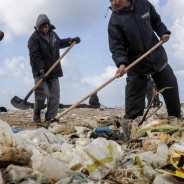
[posted by Sophia Smith Galer on BBC, 28 March 2018] We’re about five metres away from the Mediterranean Sea. To my right, the Zouk Mosbeh power plant pumps out plumes of thick grey smoke into an otherwise bright blue sky. The Jounieh Valley towers behind me over the coastline, a metropolis full of hotels and entertainment venues just outside of Beirut. To my left, I can see some sort of resort in the distance. But all I can smell – and all I can see around me – is rubbish. This beach has already been cleaned up 16 times, and had been cleaned less than a week before I stepped onto it with Joslin Kehdy, the founder of Recycle Lebanon, which arranges the clean-ups. Plastic is turning up on beaches around the world, but the difference in Lebanon is that rubbish is also being directly dumped into the sea and coastal landfills – spelling disaster for the shoreline’s ecosystem and public health. Recycle Lebanon’s Joslin Kehdy says we should all be giving a helping hand towards ridding the country of its waste crisis (Credit: Sophia Smith Galer) Lebanon’s waste crisis began in 2015 when a huge landfill site closed and government authorities failed to implement a contingency plan in time to replace it; dumping and burning waste on the streets became widespread. The campaign group Human Rights Watch calls it “a national health crisis”. But it’s also forced environmental organisations to find surprising and much-needed solutions in the face of slow political change – and they’re proving that a country that’s only the size of Connecticut might be one of Earth’s best playgrounds for environmental innovation. Kehdy tells me that calling her organisation Recycle Lebanon was a pun. It’s not just about introducing recycling initiatives; it’s about forming a new path for a country tackling corruption, which she and other activists believe fuels the waste crisis. The traditionally centralised waste management system in the country has very little sorting capabilities, meaning that the money isn’t in recycling, it’s in generating lots of waste, they argue. In a list of 180 countries, the 2017 Corruptions Perceptions Index, produced by the NGO Transparency International, ranked Lebanon as the 143rd “least corrupt nation” out of 175 countries – in other words, there are only 32 countries where corruption is worse. According to its website: “Lebanon’s confessional power-sharing arrangement” – that’s the delicate governmental balance it’s forged between the country’s many sects – “fuels patronage networks and clientelism, which undermines further the country’s governance system.” When the rubbish crisis first started, it stimulated a civil movement; protestors rallied outside the Lebanese government and declared “You Stink!” Gradually this evolved into initiatives like Beirut Madinati, a new political party, and the Waste Management Coalition which is currently campaigning against the government’s proposals to purchase incinerators. Workers clean the beach of the coastal town of Zouk Mosbeh (Credit: Getty Images) “The issue with incinerators is that it doesn’t suit our type of waste,” says Kehdy. “Around 70% of our waste is organic. It’s too wet to be processed in incineration.” Secondly – as with most waste management methods – incineration also requires strict sorting at source. It looks like literally everything is thrown into the sea. More than 2,000 people have taken part in beach clean-ups with Recycle Lebanon, proving that there’s an...
read moreGli schiavi della Little India pontina
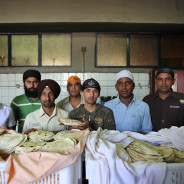
[di Angelo Mastrandrea per Internazionale, 11 giugno 2015] Al civico cinquemila e dispari di via Portosello, tra Sabaudia e Pontinia, non c’è bisogno di bussare. Il cancello è aperto e la campagna si estende a perdita d’occhio come un latifondo dell’ancien régime, preceduta da un paio di caseggiati incompiuti senza porte né finestre ma chiaramente abitati. Da uno di questi si affaccia un uomo di mezza età. Indossa una camicia blu perfettamente stirata, la barba rasata di fresco. Conosce il mio accompagnatore, Harbhajan Ghuman, un boscaiolo trasmigrato dalle vette himalayane ai più modesti monti Lepini dai quali fa usualmente su e giù a dorso di mulo. Volano abbracci e sorrisi. Oggi è il capodanno sikh e l’uomo che siamo andati a trovare ha lavorato “solo quattro ore”. Ma non è per questo che è contento e neppure per il fatto che “il padrone è buono” perché paga cinque euro all’ora “per dodici ore al giorno” e non sempre si lavora così tanto, bensì perché è giunto per lui il momento di tornare dalla famiglia, nel Punjab. Ha lavorato da ottobre e ha messo da parte un po’ di soldi ma non più così tanti “come quando c’era la lira e si stava meglio”. Ora, vestito a festa davanti alla porta del tugurio che il padrone ha affittato per 700 euro al mese a lui e a una decina di suoi concittadini, correligionari nonché compagni di lavoro, sta per andare a godersi i frutti della sua vita da schiavo delle campagne. I sikh dell’agro pontino, scrive in un dossier l’associazione In Migrazione, sono “una comunità accogliente, rispettosa, pacifica e dedita al lavoro”, e proprio questo la rende ideale per lo sfruttamento nelle campagne. L’abitante del civico cinquemila e dispari di via Portosello ne è un esempio: vive e lavora come ai tempi della capanna dello zio Tom, ma non se ne lamenta con nessuno. Sarbjit Chauhan, un giovane indiano con gli occhialini da intellettuale che incontro tra le casette formato vacanza di Bella Farnia, mi spiega in un italiano forbito che gli scogli culturali da superare sono ancora enormi e che i turbanti e le barbe alla Sandokan, i costumi tradizionali e il tipico pugnale sikh che ogni buon religioso porta sempre con sé nascondono ancora molta diffidenza nei confronti degli italiani. La Little India pontina, trentamila persone, quasi la metà delle quali senza permesso di soggiorno, che hanno come punto di riferimento il tempio Gurdwara di Sabaudia e come capitale questo villaggio di seconde case per il mare in buona parte affittate agli indiani, a suo dire oppone ancora troppa resistenza a mescolare tradizioni e costumi con quelli di casa nostra. Oggi è particolarmente arrabbiato perché gli è accaduto di sentirsi “come in Texas”, non per il razzismo ma per colpa dei suoi connazionali: “Stamattina sono entrato in un bar, ho preso un caffè e una ciambella e mi sono seduto a un tavolino per leggere il giornale. C’erano dodici indiani che mi hanno squadrato tutto il tempo perché io, sikh, bevevo caffè e oziavo come un italiano”, racconta indispettito per una “mentalità chiusa che purtroppo è ancora diffusa tra gli anziani”. Molti, nella più grande comunità indiana d’Italia dopo quella emiliana di Novellara, hanno cominciato a capire che a chinare sempre il capo ci avrebbero rimesso sempre di...
read more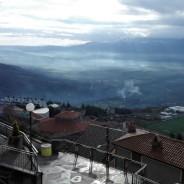
[posted by Cecilia Erba on Politheor, March 21st, 2018] The production of fossil fuels is still considered of strategic interest in Italy. As of the end of 2015, 114 exploration and 202 exploitation licenses were in force on national territory. Such activities pose a huge threat to the preservation of the environment and the health of local communities. The recently uncovered Val d’Agri affaireexemplifies the damage that oil companies, and especially ENI, are causing. Reconsidering energy policies appears vital for the wellbeing of the country and its inhabitants. Val d’Agri: an ongoing environmental tragedy Val d’Agri is a wild valley in Southern Italy, in Basilicata region. It is surrounded by mountains and named after the river flowing through it. It also holds the largest onshore oil field in Europe, uncovered at the beginning of the last century. Here, in the 1990s, ENI began prospecting and drilling activities. For years, the company continued exploring and extracting unhindered, violating environmental and health standards and using corruption to avoid controls. Only at the beginning of 2016 its unethical and illegal conduct was exposed. In the past, agriculture and farming flourished in the valley. Locally produced olive oil, wine, wheat and milk were exported all over Italy. Over 20 years from then, all is left is an impoverished and polluted territory. In the towns near the oil fields, Viggiano and Grumento Nova, the mortality and hospitalization rate is higher than the regional average, as reported by an interdisciplinary study published in 2017. The same study established a link between the high incidence of diseases of the circulatory and respiratory systems and exposition to the emissions of the oil centre. But beside health impacts, ENI’s activities took away from the communities their sense of belonging to the land. Now locals feel that their natural resources are compromised, and this is affecting their own identity. According to their perception, nature shifted from life source to deadly danger. In March 2016, five high-profile ENI employees and a former local mayor were arrested. The then Italian Minister for Economic Development was accused of conflict of interest with ENI and has resigned. The investigation uncovered that the emissions of the Val d’Agri oil centre systematically exceeded the limits allowed, but ENI managers tampered with the data sent to inspectors to avoid fines. In addition, the hazardous waste coming from oil extraction and treatment was arbitrarily classified as non-hazardous and disposed of with illegal procedures. The process is still ongoing, but in the meanwhile the oil centre was authorized to reopen and to restart extraction activities, amidst the bewilderment of environmentalists and concerned citizens. Why is Italy still extracting oil? The hydrocarbon industry in Italy is dominated by ENI, the world’s 12th oil supermajor identified by the world-famous six-legged logo. Val d’Agri is only one of the cases of pollution and illegality that the company is involved in. However, it continues to be the cornerstone of the Italian energy strategy, and the government is not planning to phase out fossil fuels anytime soon. In 2019, it is expected that as much as 7.5 million tons of oil will be extracted nationwide, 6.4 from Basilicata. The government is, after all, heavily supporting the hydrocarbon sector. In 2016, it directly and indirectly subsidized fossil fuels for €14.8 billion. This tendency is reflected in the laws adopted in the last years, such as the so-called “Unlock...
read moreRoma, la “frigo-valley” in riva all’Aniene
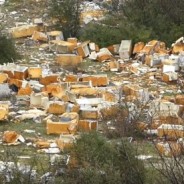
[di Vincenzo Bisbiglia e Angela Gennaro su il Fatto Quotidiano, 3 aprile 2018] Un’intera vallata alle porte di Roma trasformata in un cimitero dei frigoriferi. Oltre 60 ettari per quella che gli abitanti della zona pensano si tratti della discarica abusiva più grande d’Italia. Sono diverse centinaia gli elettrodomestici usati adagiati in un terreno privato abbandonato, formalmente compreso nel perimetro del comune di Tivoli (località Bagni di Tivoli) ma distante qualche decina di metri dal confine con la Capitale, disegnato a sua volta lungo il tracciato del fiume Aniene. Il colpo d’occhio è sconcertante già dalla bretella dell’Autostrada A1 che attraversa l’area tiburtina, tale da non far invidia ai “panorami” scrutabili nei pressi di discariche ufficiali come Malagrotta e Inviolata. Una bomba ecologica, fra l’altro, considerando l’elevato rischio incendi dell’area ma anche gli effetti delle consuete esondazioni del principale affluente del Tevere. Entrando nel cuore dell’area dove decenni fa la Stacchini realizzava le sue celebri polveri da sparo, l’odore è acre e somiglia quasi a quello del gas metano. Gli elettrodomestici, come detto, sono rivestiti soltanto di un polistirene giallastro, sparso ovunque fra cespugli, calcinacci e carcasse di animali morti. Qualche rogo c’è stato, seppur di piccola entità, e lo testimoniano i punti in cui il materiale e pressoché carbonizzato. La domanda è: chi ha scaricato (o chi continua a scaricare) tutti questi rifiuti ingombranti? “Abbiamo motivo di credere che alcune aziende di smaltimento, che lavorano per le grandi catene di elettrodomestici della zona, per anni abbiano volutamente scambiato questo posto per una discarica”, racconta a IlFattoQuotidiano.it il sindaco di Tivoli, Giuseppe Proietti. “Recentemente – spiega il primo cittadino tiburtino – abbiamo pizzicato sul fatto ditte anche importanti. Da quando abbiamo recintato l’area, chiudendo le vie di accesso almeno ai veicoli, gli scarichi sono decisamente diminuiti”. Va detto che da 8 anni – decreto 65/2010 del Ministero Ambiente – i commercianti di elettrodomestici e dei cosiddetti AEE (Apparecchiature Elettriche ed Elettroniche) sono da una parte obbligati a ritirare i prodotti usati e, dall’altra, trattengono sul prezzo di vendita una quota destinata al corretto smaltimento, già applicato dal produttore. Per i grandi elettrodomestici, dunque, il “contributo” è di 5,00 euro per forni, lavatrici, lavastoviglie e stufe, 16,00 euro per frigorifero e congelatore, 2 euro per piani cottura, 7 euro per scaldabagni oltre ai 30 litri. Come detto, il frigo è probabilmente l’elettrodomestico con la presenza maggiore di materiale “pregiato”. Così, da una parte il rivenditore disonesto – o chi per esso – trattiene la quota riservata sul prezzo di vendita e dall’altro guadagna spogliando il prodotto e gettandolo nella discarica abusiva. L’area, come detto, è privata. Ma i rischi sono pubblici e assolutamente rilevanti. “Un incendio in quella zona potrebbe portare a un disastro simile a quello dell’EcoX di Pomezia”, afferma Paolo Cartasso, presidente dell’associazione Case Rosse, che da anni si batte per portare alla luce gli effetti della cosiddetta “Terra dei Fuochi di Roma Est”, il quale teme anche la possibilità che “il materiale contenuto nei frigo possa essersi riversato nel terreno”. “E’ per questo motivo – risponde a distanza il sindaco Proietti – che la società che sta trattando l’acquisto dei 63 ettari si è impegnata ad effettuare a breve un’indagine propedeutica alla bonifica, per conoscere la natura dei rifiuti”. I costi? “Molto...
read moreILVA e diritti umani
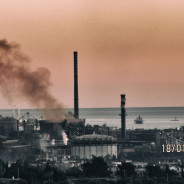
[di Marica di Pierri, Presidente CDCA, 13 aprile 2018] Un dossier documenta le violazioni dei diritti umani operate dallo stabilimento di Taranto sulla popolazione residente e ricostruisce le responsabilità politiche nell’emergenza ambientale della città ionica È stato presentato oggi a Roma il report “Il disastro ambientale dell’ILVA di Taranto e la violazione dei diritti umani“, realizzato dalla Federazione Internazionale dei Diritti Umani – Fidh assieme all’Unione Forense per la Tutela dei Diritti Umani, Peacelink e HRIC – Human Rights International Corner. Nel 2011 la Fidh, di concerto con le organizzazioni brasiliane Justicia Global e Justicia nos Trilhos, ha lavorato alla pubblicazione di un rapporto sulle violazioni dei diritti umani connesse all’industria siderurgica How Much are Human Rights worth in Brasilian steel industry?, che ha documentato in particolare le violazioni del diritto alla salute e ad un ambiente sano operate dalla multinazionale Vale in Brasile nelle attività estrattive e industriali legate alla produzione di acciaio. Negli anni successivi, lungi dal fermarsi oltreoceano, la Fidh ha ricostruito il filo delle violazioni che segue passo passo la filiera dell’acciaio, arrivando dai luoghi di estrazione in Brasile fino ai poli di produzione in giro per il mondo, tra cui lo stabilimento ILVA di Taranto, che lavora e processa il minerale di ferro estratto nel paese latinoamericano. In questo nuovo rapporto, realizzato in collaborazione con le associazioni italiane prima menzionate, vengono sistematizzate le evidenze epidemiologiche emerse in questi anni in riferimento all’impatto dell’ILVA sulla popolazione tarantina e ripercorso il conflitto tra potere giudiziario ed esecutivo che ha portato, dopo l’ordinanza di chiusura firmata dal Gip Todisco, all’approvazione di dieci provvedimenti governativi, conosciuti come Decreti Salva Ilva, che hanno di fatto privato di efficacia l’azione della magistratura. Sul caso la Corta Costituzionale si è pronunciata poche settimane fa con un importante (sentenza n.58 del 23 marzo 2018) in cui afferma in maniera chiara che il governo italiano ha privilegiato in maniera eccessiva attraverso i decreti gli interessi dell’impresa trascurando i diritti fondamentali della popolazione, come il diritto alla salute e alla vita. La sentenza ha avuto poca risonanza mediatica rispetto all’importanza dei pronunciamenti in essa contenuti, soprattutto alla luce del suo valore trascendente che, lungi dal riguardare solo il caso tarantino, mette in questione in generale l’equo bilanciamento di interessi tra libertà d’impresa e diritti umani. Il dossier riporta il ricorso presentato presso la Corte Europea dei Diritti dell’Uomo da 207 ricorrenti, congiunti di bambini deceduti o persone ammalate di patologie oncologiche ed altre gravi patologie legate all’esposizione alle emissioni inquinanti. La Corte dovrà pronunciarsi sulla violazione di tre articoli della Cedu, specificamente l’art.2 (Diritto alla vita), l’art.8 (Diritto al rispetto della vita privata e familiare), che estensivamente configura, nella giurisprudenza della Corte il diritto all’ambiente salubre e l’art.13 (Diritto ad un ricorso effettivo, per far valere la violazione dei diritti fondamentali). Il ricorso è seguito dal legale Anton Giulio Lana, docente universitario e Presidente dell’Unione forense per la tutela dei diritti umani; il pronunciamento è atteso entro la fine del 2018. La parte finale del Dossier contiene infine una importante serie di raccomandazioni al Governo Italiano, ai futuri proprietari di ILVA e alle istituzioni europee ed internazionali affinché agiscano con urgenza per rimuovere i pesanti fattori di rischio per l’ambiente e la salute presenti nel caso tarantino, agendo ciascuno per la propria specificità e...
read more