
La voce di A Sud dalla COP30 di Belém (Brasile) e le iniziative in Italia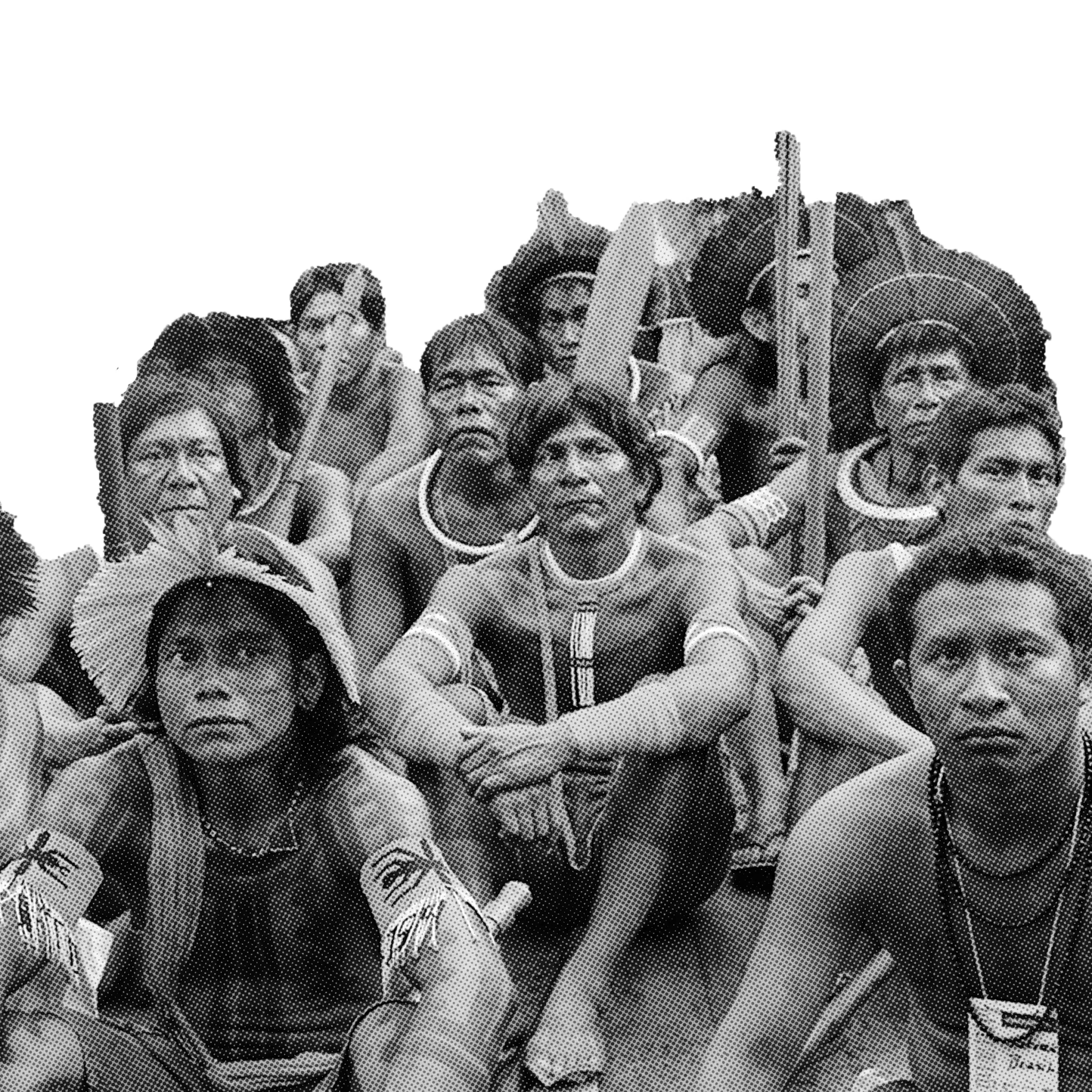
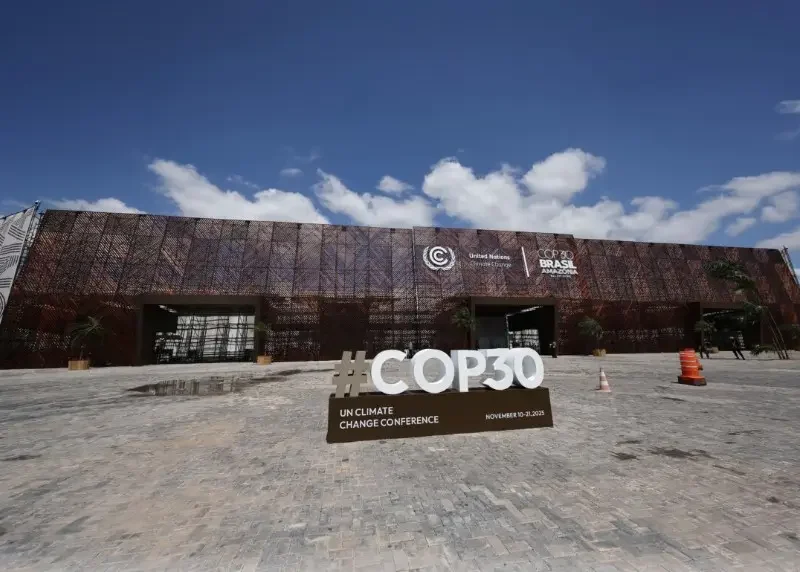
Dal 10 al 21 novembre 2025 saremo a Belém, in Brasile, per partecipare come osservatori alla 30° Conferenza delle Nazioni Unite sul Clima. Racconteremo quanto avviene dentro e fuori le negoziazioni, porteremo e raccoglieremo le voci dei territori in lotta contro l’estrattivismo, contro il greenwashing e per una transizione ecologica realmente giusta.
Iscriviti al bollettino Sostieni il nostro lavoroL’agenda della COP30
A Belém si discuteranno e valuteranno gli NDCs, i nuovi impegni climatici nazionali che stabiliscono gli obiettivi di riduzione delle emissioni di ogni paese. Accanto alla mitigazione, l’adattamento sarà uno dei temi centrali attraverso il Global Goal on Adaptation (GGA) e i nuovi Piani nazionali di adattamento. Un altro capitolo chiave sarà quello della finanza per il clima. Tra i punti principali il nuovo obiettivo di finanziamento (NCQG), che punta ad aumentare il sostegno ai Paesi in via di sviluppo da 100 a 300 miliardi di dollari l’anno, e la Roadmap Baku-Belém, che traccia un percorso per mobilitare almeno 1.300 miliardi di dollari l’anno entro il 2035.
Temi cruciali, che si scontrano con uno scenario geopolitico ostile, segnato dal negazionismo climatico, dai venti di guerra, dalla corsa al riarmo e dalla violenza istituzionale. Non è un caso che in gioco a Belém ci sia più che mai la credibilità della diplomazia climatica e la sua capacità di tradurre le intenzioni in impegni concreti.
La Cupula dos povos
La Cúpula dos Povos è il grande incontro dei movimenti sociali e delle comunità che vivono in prima linea la crisi climatica. Nata nel 1992 come risposta critica alle negoziazioni ufficiali, propone un’alternativa fondata su giustizia climatica, sociale e ambientale, solidarietà e saperi ancestrali.
Dal 12 al 16 novembre 2025, in concomitanza con la COP30 di Belém, riunirà popoli indigeni, comunità quilombola e tradizionali, giovani e lavorator? in marce, dibattiti e azioni culturali.
La Cúpula mette al centro vite, diritti e territori, non statistiche: unisce chi costruisce ogni giorno soluzioni reali, dall’agroecologia alla difesa dei beni comuni, per spingere i governi ad adottare politiche di vera giustizia climatica.
Dichiarazione della Cupula Dos Povos
 Perché A Sud e CDCA alla COP?
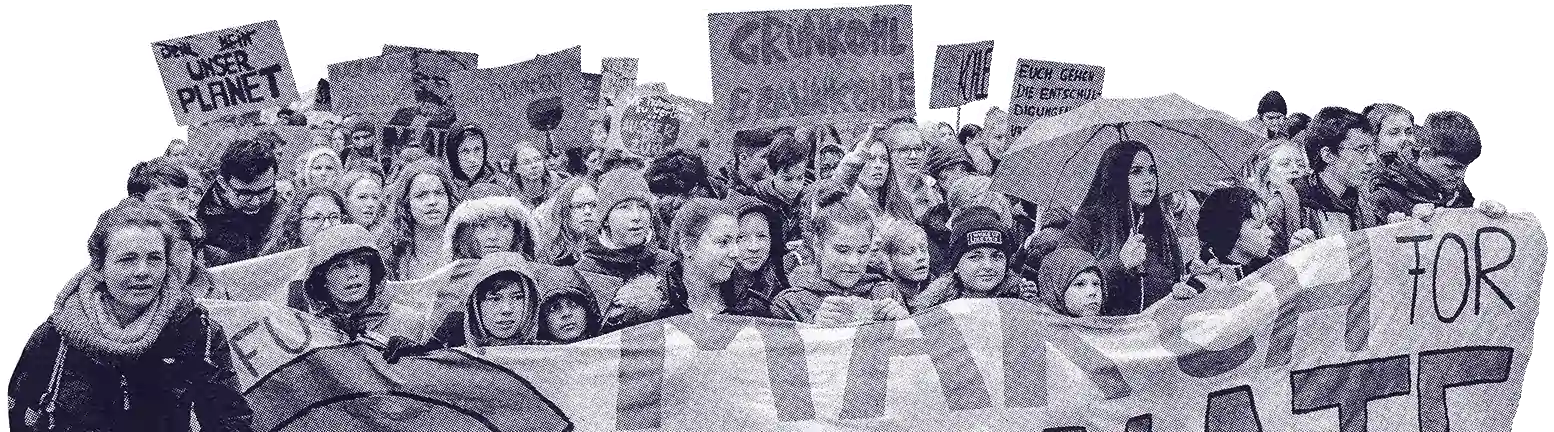
Nelle Cop si riuniscono i governi dei 197 Paesi che hanno ratificato la Convenzione Quadro delle Nazioni Unite sui Cambiamenti Climatici (UNFCCC), firmata a Rio de Janeiro nel 1992. Ma la COP30 non è solo un vertice diplomatico: è il terreno di confronto (e di scontro) tra attori diversi e diverse visioni del mondo. Da una parte il business as usual che trasforma la crisi climatica in profitto, dall’altra movimenti e territori che lottano per giustizia climatica, autodeterminazione e diritti della Natura.
La COP30 si terrà nel cuore dell’Amazzonia, a Belém do Pará, in Brasile. Non è un dettaglio geografico ma una scelta politica: è nel Sud globale che l’ingiustizia climatica colpisce più duramente mentre il Nord globale continua a negoziare emissioni e interessi fossili.
Qui non si decide solo il futuro del clima: si decide chi avrà diritto a un futuro.
Per raccontare cosa c’è in gioco, e come finisce la partita.
Andiamo alla COP per osservare da vicino i negoziati, capire quali equilibri politici e di potere si stanno ridefinendo, e portare la prospettiva dei territori e dei movimenti che chiedono giustizia climatica.
La partecipazione di A Sud e CDCA serve a connettere le lotte locali con quelle globali, rafforzare alleanze internazionali e raccontare – con sguardo indipendente e critico – come la diplomazia climatica sta affrontando, o eludendo, le proprie responsabilità.
Perché solo intrecciando voci e resistenze dal basso possiamo costruire un futuro giusto per tutt?.
Per costruire e rafforzare alleanze internazionali
Svolgere la COP in Brasile è un segnale che conta: significa rimettere al centro chi la crisi climatica la subisce davvero. Andiamo a Belém per stare con i movimenti globali per la giustizia climatica. In America Latina oggi si gioca una partita enorme: conflitti ambientali, estrattivismo, repressione, lotte indigene e popolari che resistono da decenni. Con tante realtà — dalla Colombia alla Bolivia, fino all’Amazzonia — abbiamo già lavorato, fatto campagne, costruito ponti. Lì ritroviamo compagn? con cui condividiamo visioni e pratiche.
Per portare una visione radicale dentro la COP
Sì, probabilmente sarà l’ennesimo flop diplomatico. Ma proprio per questo dobbiamo esserci, per non lasciare quei tavoli alle lobby fossili e ai governi che parlano di transizione mentre trivellano.
Da dentro vedi meglio le dinamiche, le crepe, le possibilità di alleanze e di conflitto.
Andiamo per portare la prospettiva della giustizia climatica e delle lotte dal basso, che legano crisi climatica, razzismo, patriarcato e disuguaglianze. La COP non è un punto d’arrivo: è un passaggio. Il resto si fa fuori, insieme, ogni giorno.
Diario dalla COP30
- Giorno 12 – 24 novembre 2025
Belém svela il fallimento della diplomazia climatica, ma apre spiragli: una roadmap anti-fossile e nuove alleanze per la giustizia.
Leggi l’articolo / Ascolta su Scanner
- Giorno 11 – 21 novembre 2025
Penultimo giorno a Belém: incendio in COP30, stalli politici e pressioni crescenti sul BAM e sull’uscita dai fossili.
Leggi l’articolo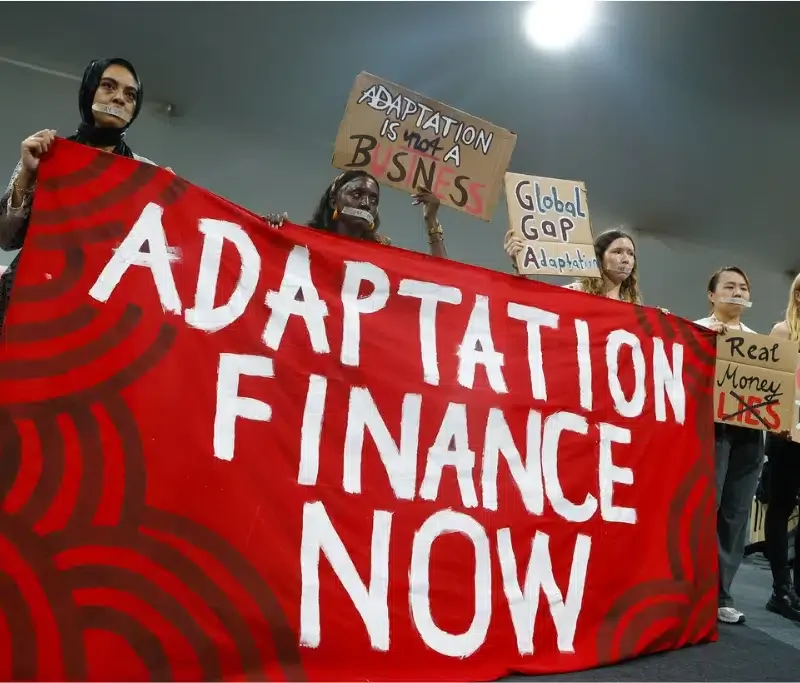

- Giorno 10 – 20 novembre 2025A Belém 85 Paesi spingono per uscire dai fossili, mentre Italia e Polonia frenano. La COP30 è al bivio, il tempo è adesso.
- Leggi l’articolo / Ascolta su Scanner
- Giorno 9 – 19 novembre 2025
Belém rilancia la lotta globale ai fossili: la Colombia guida un fronte che vuole uscire davvero dal modello che brucia il pianeta.
Leggi l’articolo / Ascolta su Scanner
- Giorno 8 – 18 novembre 2025
Alla COP30 la transizione dai combustibili fossili sembra lontana, mentre i fondi dell’adattamento sono sotto il minimo.
Leggi l’articolo / Ascolta su Scanner
- Giorno 7 – 17 novembre 2025
Belem in rivolta: popoli indigeni e movimenti sociali spingono per una COP30 che dica finalmente basta ai fossili.
Leggi l’articolo / Ascolta su Scanner

- Giorno 6 – 15 novembre 2025
Anche quest’anno i dati sulla presenza dei lobbisti Gas&Oil alla conferenza di Belém sono alti: su ogni 25 persone accreditate al vertice, uno è un lobbista dei combustibili fossili, in totale sono oltre 1600.
Leggi l’articolo
- Giorno 5 – 14 novembre 2025
Il TFFF entra nella Cupula tra promesse e contraddizioni: fondi incerti, debiti in aumento e movimenti che denunciano l’ennesima falsa soluzione verde.
Leggi l’articolo / Ascolta su Scanner
- Giorno 4 – 13 novembre 2025
A Belém la protesta indigena irrompe nella COP30 e svela le contraddizioni del Brasile fossile. Intanto la Cupula esplode di mobilitazioni globali.
Leggi l’articolo /Ascolta su Scanner
- Giorno 3 – 12 novembre 2025
Adattamento al centro della COP30, ma i fondi restano insufficienti. A Belém arrivano movimenti e comunità indigene: la vera pressione viene dai territori.
Leggi l’articolo / Ascolta su Scanner
- Giorno 2 – 11 novembre 2025
Lula parla di disuguaglianze alla Cop30, ma il Brasile continua a spingere sul fossile. A Belém torna al centro il nodo tra clima e ingiustizia.
Leggi l’articolo / Ascolta su Scanner
- Giorno 1 – 10 novembre 2025
Dalla Cop30 alla Cúpula dos Povos: a Belém si apre la sfida per la giustizia climatica tra responsabilità globali, diritti dei popoli e resistenza dei territori.
Leggi l’articolo / Ascolta su Scanner
Articoli di approfondimento alla COP30
- Cosa resta della Cop30, la battaglia per il clima e i diritti è ancora lunga – 24 novembre 2025
Marica Di Pierri e Laura Greco su Domani – COP30 fallisce su fossili e foreste, ma il Bam e il blocco dei 82 paesi per l’uscita dal fossile aprono spiragli di lotta e nuove alleanze.
Leggi l’articolo
- Sulla fine dei lavori della COP30 – 24 novembre 2025
Marica Di Pierri su EconomiaCircolare.com – Cosa è successo alla 30° Conferenza delle Parti della Convenzione delle Nazioni Unite sui cambiamenti climatici? Quali sono le grandi vittorie? Quali le sconfitte?
Guarda la diretta
- La tabella della discordia – cos’è successo alla COP30 – 23 novembre 2025
Laura Greco su Radio24 – COP30 a Belém annuncia impegni su energia, foreste e adattamento, ma senza una vera uscita dal fossile restano promesse vuote da incalzare con lotte dal basso.
Ascolta su Il Sole 24 ore
- “A resposta somos nós”. Ma alla COP30 le richieste dei popoli indigeni non fanno breccia – 23 novembre 2025
Laura Greco su EconomiaCircolare.com – Alla COP30 le voci indigene restano ai margini mentre la foresta corre verso il punto di non ritorno. Senza giustizia, non c’è futuro.
Leggi l’articolo
- La “Dichiarazione di Belém” e il multilateralismo del phase out dai fossili spinto dal basso – 21 novembre 2025
Laura Greco su Altreconomia – Da Belém arriva una spinta dal basso per uscire dai fossili: governi e movimenti uniscono le voci per un phase out reale, giusto, globale.
Leggi l’articolo
-
- Cop30: senza il Gender action plan ogni azione climatica è limitata – 21 novembre 2025
Marica Di Pierri e Laura Greco su Valori – Nonostante le ambiziose premesse il Gender action plan ha trovato diversi ostacoli sui tavoli negoziali della Cop30
- Cop30: senza il Gender action plan ogni azione climatica è limitata – 21 novembre 2025

- Alla Cop30 arrivano le storie di migrazioni climatiche – 21 novembre 2025
Marica Di Pierri su EconomiaCircolare.com – Alla Cop30, in vista delle negoziazioni finali, si parla del fenomeno crescente degli sfollamenti forzati dal cambiamento climatico.
Leggi l’articolo
- Belém, la foresta degli indigeni si ribella a Lula – 20 novembre 2025
Laura Greco su Il Manifesto – Le nazionalità dell’Amazzonia denunciano l’inagibilità politica alla Cop e chiedono una mobilitazione internazionale guidata direttamente dai popoli indigeni per proteggere i loro territori e affrontare la crisi climatica alla radice
- Alla Cop 30 i movimenti si riprendono la scena – 20 novembre 2025
Marica Di Pierri su Il Manifesto – Era dalla Cop 26 di Glasgow che non si vedeva così tanta società civile. Accanto al vertice ufficiale, in più di 50 mila hanno animato la «Cupula dos povos» per una svolta vera sul clima e i diritti
Leggi l’articolo
- COP30, BELÉM | Italiani in mobilitazione – 20 novembre 2025]
Il Climate Pride in azione alla COP30: l? attivist? chiedono all’Italia una roadmap chiara e ambiziosa per uscire dai fossili.
Leggi il comunicato

- A Belém torna il protagonismo sociale – 19 novembre 2025
Marica Di Pierri su Collettiva – Alla Cop30 movimenti, organizzazioni, popoli e sindacati riacquistano centralità: proposte e campagne dal basso sono arrivate nelle stanze dei negoziati.
Leggi l’articolo
- Come procede la COP30 in Brasile? Intervista a Laura Greco da Bélem – 19 novembre 2025
Laura Greco su Scienza e Pace Magazine – COP30 tra repressione, lobby fossili e resistenze indigene: la giustizia climatica la costruiscono i territori, non i negoziati.
Leggi l’articolo
- Lifegate dalla COP30 – 18 novembre 2025
Marica Di Pierri su Lifegate – Dalla COP30 il racconto dell’inedita comunicazione tra dentro e fuori la COP, tra le richieste indigene e l’ambiguo governo di Lula.
Ascolta su Lifegate
- Il Fondo per le foreste e la falsa soluzione del biocapitalismo si ripropone alla Cop30 di Belém – 18 novembre 2025
Laura Greco su Altreconomia – Il Tropical forests forever facility lanciato da Lula è l’ennesimo dispositivo finanziario che viene presentato come innovazione.
Leggi l’articolo
- Attivismo e giustizia climatica: se il diritto alla protesta diventa un reato – 17 novembre 2025
Marica Di Pierri su Valori.it – Alla Cop30 emerge un allarme globale: in molti Paesi il diritto alla protesta viene represso e l’attivismo ambientale è sempre più criminalizzato
Leggi l’articolo
- Alla Cop30 di Belèm il fondo per l’adattamento resta senza fondi – 17 novembre 2025]
Marica Di Pierri su EconomiaCircolare.com – Alla Cop30 fallisce, per il terzo anno di fila, l’obiettivo di raccolta minima per finanziare l’adattamento dei Paesi del Sud globale.
Leggi l’articolo

- Massiccia partecipazione popolare a Belém – 16 novebre 2025
Marica Di Pierri su L’aria Che Respiri – Alla Cúpula dos Povos tantissime voci per reclamare la fine dei combustibili fossili e una giustizia climatica guidata dai popoli, non dalle multinazionali.
Ascolta su Radio Rai1
- In diretta da Bele?m – Aggiornamenti sulla prima settimana di COP30 – 15 novembre 2025
Marica Di Pierri su EconomiaCircolare.com – In diretta da Belém, per raccontare in diretta i lavori della 30° Conferenza delle Parti della Convenzione delle Nazioni Unite sui cambiamenti climatici. ?Foto di Oliver Ninja e Midia Ninja
Guarda la diretta
- Cop30: chi difende i combustibili fossili dentro i negoziati sul clima – 14 novembre 2025
Marica Di Pierri per Altreconomia – Alla Cop30 un lobbista fossile ogni 25 delegat?: il vertice che dovrebbe chiudere l’era fossile continua a farsela scrivere da chi la profitta.
Leggi l’articolo
- Giustizia climatica, questa dimenticata – 13 novembre 2025
Marica Di Pierri su Il Manifesto – Il legame tra clima e disuguaglianze è ormai assodato. Ma dopo 30 anni di conferenze, i ricchi continuano a fare grandi affari con i fossili.
Leggi l’articolo
- L’adattamento secondo la COP30: “Adattarsi è sopravvivere” – 13 novembre 2025
Marica Di Pierri per EconomiaCircolare.com – COP30 punta a rendere operativo il Global Goal on Adaptation, tra governance multilivello, indicatori, fondi insufficienti e necessità di giustizia climatica.
Leggi l’articolo
- La Cop30 in Brasile e le politiche industriali green – 11 novembre 2025
Marica Di Pierri per Tutta La Città Ne Parla, Radio3 – È iniziata la Cop30 a Belém, 10 giorni in cui si discuterà su come trovare una via d’uscita alla deriva del cambiamento climatico nonostante le difficoltà politiche che ci circondano.
Ascolta l’episodio
- Road to Belém – 7 novembre 2025
 Marica Di Pierri per Valori.it – Verso la Cop30 di Belém, cosa aspettarci dal più importante appuntamento per salvare il clima della Terra? Diretta con Marica Di Pierri, Luca Lombroso, Giovanni Mori e Lorenzo Tecleme.
Guarda la diretta
 Marica Di Pierri per Valori.it – Verso la Cop30 di Belém, cosa aspettarci dal più importante appuntamento per salvare il clima della Terra? Diretta con Marica Di Pierri, Luca Lombroso, Giovanni Mori e Lorenzo Tecleme.
- Da Parigi a Belém, i conti che non tornano – 6 novembre 2025
Marica Di Pierri per Il Manifesto – Tra tensioni e fragili compromessi, i preparativi alla vigilia della Conferenza Onu. A che punto sono gli impegni nazionali di riduzione e i piani di adattamento dei singoli Paesi.
Leggi l’articolo
- A Sud a Belém alla Cop30 – 6 novembre 2025
A Sud seguirà negoziati e mobilitazioni dalla COP30 di Belém, amplificando le voci dei movimenti per giustizia climatica e sociale.
Leggi l’articolo
- A Sud aderisce alla Global Call to Action della Cúpula dos Povos – 5 settembre 2025
Il 15 novembre scendiamo in piazza: basta disuguaglianze e razzismo ambientale, vogliamo giustizia climatica e un mondo dove la vita sia al centro.
Leggi l’articolo
- Vertice dei Popoli Verso la COP30: Manifesto Politico – 13 giugno 2025
A Sud aderisce al Manifesto dei Popoli verso la COP30: un appello globale per giustizia climatica, anticapitalismo e democrazia dal basso.
Leggi l’articolo
Racconteremo le negoziazioni
Per spiegare cosa accade davvero alla COP30, come si muovono i governi e quali interessi guidano le scelte sulla crisi climatica. Vi offriremo una copertura quotidiana per raccontarvi con le nostre parole e con uno sguardo critico, indipendente e radicale, vicino ai movimenti il dentro e fuori la Cop
Sveleremo le contraddizioni
Tra le promesse ufficiali e la realtà, mostrando lo scontro continuo tra lobby fossili e popoli che difendono la vita e i territori. Denunceremo le responsabilità smascherando la falsa transizione energetica e chi continua a inquinare mentre parla di sostenibilità con greenwashing e false soluzioni
Daremo voce alle comunità
Portando le loro storie, le lotte quotidiane e le alternative concrete alla devastazione ambientale, contro colonialismo ed estrazione. Ci collegheremo con l’Italia per connettere istanze e battaglie
INFO E CONTATTI
Per contatti e interviste con la delegazione:
maricadipierri@asud.net
+ 55 21 967071220
Laura Greco
lauragreco@asud.net
+55 21 997673184
L’Africa paga la nostra aria pulita
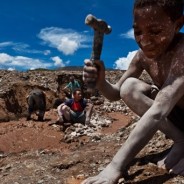
[di Riccardo Barlaam su Nigrizia, 4 aprile 2018] Nel mondo ricco i governi impongono limiti nelle emissioni delle automobili. Ora si punta su auto elettriche e ibride. Nel mondo povero è partita la nuova corsa dell’oro, legata alla conquista dei minerali per alimentare le nuove batterie e i componenti delle auto elettriche del futuro. Le società minerarie, piccole e grandi, fanno a gara per aggiudicarsi nuove licenze di esplorazione. L’Africa, il continente più povero, è quello più ricco di materie prime. Dal Niger alla Costa d’Avorio, dall’Rd Congo alla Tanzania la domanda di metalli per lo sviluppo delle “tecnologie pulite” ha aperto nuove frontiere all’industria mineraria. A caccia di coltan, cobalto, grafite, litio, neodimio, niobio, terre rare. I prezzi delle materie prime sono alle stelle. Le società minerarie aumentano i loro ricavi e la loro capitalizzazione di Borsa. Centinaia di migliaia di persone in Africa lavorano nelle miniere, compresi i bambini, in condizioni di lavoro durissime e spesso pericolose. A centinaia di metri nel sottosuolo con dispositivi di sicurezza minimi, spesso solo con le mani, con mazze e picconi, senza ausili tecnologici. Morti e incidenti gravi sono la norma. Come ha raccontato un reporter del Washington Post in un reportage da una miniera in Congo dove si estrae cobalto. Un minerale essenziale nelle nuove batterie ricaricabili agli ioni di litio che alimentano le auto elettriche di nuova generazione, ma anche i nostri smartphone, i tablet e i computer che usiamo tutti i giorni. L’attività mineraria inquina l’ambiente ed espone le comunità locali a livelli di esposizione a metalli tossici mai visti prima, che inquinano i terreni e le falde acquifere. In Africa aumentano le neoplasie, malattia quasi sconosciuta fino a qualche anno fa. L’aria pulita dell’Occidente ha così un prezzo salato per l’Africa. Almeno fino a quando le grandi corporation non renderanno chiara la provenienza delle materie prime che alimentano le proprie batterie. Non sarà facile. Apple ha fatto sapere di aver aumentato i controlli sulla provenienza del cobalto che alimenta le pile dei suoi iPhone. Lg, uno dei principali produttori di batterie, ha bloccato l’import di cobalto dal Congo. Ma la corsa dell’oro non si ferma. E sarà difficile normarla....
read more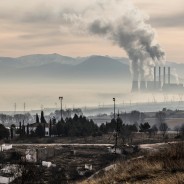
[posted by Anna Pantelia on The Guardian, March 23rd, 2018] Mining for lignite – or brown coal – in Greece is a huge industry. Together with Germany and Poland, the country accounts for more than one-third of the world’s coal production. But for residents of villages in the extraction areas of West Macedonia, it has many impacts, from displacement to health problems. Thick dust suspended in the atmosphere makes it hard to see the sun over Ptolemaida, a city 500 kilometres north-west of Athens in the West Macedonia region, known for its brown coal (lignite) mines and power stations. Kostas works as a guard for the state-owned Public Power Corporation (PPC), like his father before him. “My father died of cancer when I was 12,” he says. “Four other men from his shift lost their lives from cancer.” Despite strict EU regulations on coal and the declining profits that the industry faces, Greece has invested €1.3bn in the construction of two new plants in the area. The post-apocalyptic landscape of Ptolemaida is composed of a sprawling black mine which spans 625 square miles and includes a few deserted villages. Ptolemaida is the biggest mine in the Balkans and reported to account for the 30% of the country’s electricity production. Greece, along with Germany, Poland, the Czech Republic accounts for over a third of the world’s coal production. However, coal is among the worst sources of toxic air pollutants globally. In 2012 alone, the World Health Organization (WHO) reported that 7 million people died as a result of exposure to air pollution. In Europe, each death attributable to such exposure occurs prematurely by an estimated 11 years. According to Greenpeace’s Silent Killers report, coal combustion causes more than 1,200 premature deaths in Greece. In a letter to the Greek Ministry of Heath, the deputy regional health manager wrote that seven out of 10 deaths in Ptolemaida are related to cancer or thromboembolic disease (stroke, stroke, pulmonary embolism). Cancer cases have risen by 16% since 1950, and the number currently stands at 30.5%. Life expectancy in the region has been falling. Mine-owners PPC and its partners have created 10,000 jobs in West Macedonia, where unemployment during the financial crisis was the highest in Greece. For more than 60 years, the local community has been deployed in the power production industry. The privatisation of PPC as part of Greece’s bailout deal, as well as the EU’s coal phase-out programme, has led the local community to economic decline and deadlock. Many, like Kostas, sacrifice their health for as little as €680 a month while others have had to give up land and houses that were engulfed by the expanding mines. Since 1976, more than 4,000 inhabitants of five different villages on coal reserves have been internally displaced. Half-demolished houses, a few hungry stray dogs, dilapidated churches: this is Mavropigi, the most recently abandoned village ready to be demolished for coal extraction. Aristokratis and his wife are two of the 10 last residents of Mavropigi. Even though PPC have officially relocated Mavropigi’s residents, a few are still living in the village which is now few steps away from the mine and has no running water anymore. “I have my wife and my dogs here. I don’t want to live anywhere else, this is my only home,” he...
read more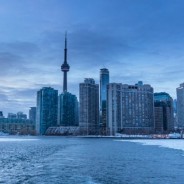
[posted by Karen Savage on Climate Liability News, March 26th, 2018] A Canadian legislator introduced a bill on Monday to protect Ontario residents from the costs of climate change-related damages and to make it easier to force fossil fuel companies to pay for infrastructure improvements needed to protect communities from climate impacts. “This act will give Ontarians the legal means to seek compensation from the world’s major polluters for their fair share of those costs,” said Peter Tabuns, a Member of Provincial Parliament (MPP) representing Toronto-Danforth, who introduced the bill. Known as the Liability for Climate-Related Harms Act of 2018, Tabuns said the bill is similar to tobacco liability legislation used to hold tobacco companies liable for the health costs of tobacco use. “This bill defines the nature of evidence to be produced and it simplifies this whole action,” said Tabuns, who said the bill is structured to assume strict liability on the part of producers. “There is an assumption in this bill that climate change is caused by man-made action—the emission of CO2 into the atmosphere—and it sets a threshold for determining whether a particular event has caused damage,” said Tabuns, adding that the threshold would be consistent with the one established internationally. “This Bill appears to be the first in the world to directly impose strict liability—liability without proof of fault—on fossil fuel companies for climate impacts,” said Andrew Gage, staff lawyer for the West Coast Environmental Law Association (WCEL), which endorsed the bill. In 2015, WCEL and the Vanuatu Environmental Law Centre co-published Taking Climate Justice Into Our OwnHands, which highlighted the legal authority of legislators to enact climate compensation laws like the Liability for Climate Harm Act. Keith Stewart, senior energy strategist for Greenpeace Canada, said the bill is modeled on legislation that enabled the province to pursue $50 billion in health care costs from the tobacco industry. “That legislation was enacted because tobacco companies knew about the addictiveness of cigarettes and the health damages they caused, they deceived the public by misrepresenting the risks, they failed to warn the public about the dangers of smoking and they did not take all available steps to reduce the risks caused by their products—all of these things are true with respect to fossil fuel companies and climate change,” said Stewart, adding that investigative reporting has revealed the extent to which Exxon and the oil industry engaged in climate deception. According to Stewart, lawsuits and other actions—such as the legislation being introduced today—are being driven by the ability of scientists to pinpoint the contributions of individual companies to greenhouse gases in the atmosphere and to establish a causal link between burning of fossil fuels and impacts like sea level rise and the severity of individual events, such as the massive floods in Houston last year during Hurricane Harvey. “Increasingly, people are going to find they aren’t going find to be able to obtain insurance against flooding risk—right now, that’s your tough luck,” said Stewart, who added that if passed, the bill will change that by making it easier to hold accountable the companies that played a significant role in climate change. Kristin Casper, litigation counsel for Greenpeace’s global justice and liability campaign, said the bill is about protecting communities. “We need this type of legislation to make it easier for people who are being harmed from climate change to hold big polluters accountable so that they pay their fair share for...
read more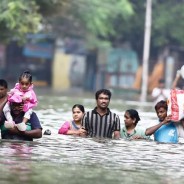
[posted by Dinesh Sharma on The Wire, March 28th, 2018] New Delhi: Here is more evidence why we need to worry about climate change. A new study says extreme rainfall events are on the rise in India and attributes the trend to human-made emissions, what scientists call anthropogenic warming. Not just this, the trend is likely to become more prominent by mid-century, particularly in southern and central India. While previous studies have shown a rising trend of extreme rainfall events, this study has sought to link it with anthropogenic emissions. Researchers at the Indian Institute of Technology, Gandhinagar (IITGn), used historical datasets about daily rainfall and temperature from about 7000 meteorological stations of the India Meteorological Department (IMD), converted it into grids of one-degree spatial resolution. An analysis of observed changes in yearly maximum rainfall for the period of 1979-2015, showed that rainfall has increased over the majority of India except in the Gangetic plain, northeastern India, and Jammu and Kashmir. The decline in the Gangetic plain region can be attributed to a significant reduction in the monsoon season rainfall driven by increased atmospheric aerosols and warming of the Indian Ocean. The increase in precipitation is more prominent in southern India than in north India from 1979 to 2015. Along with extreme precipitation, the study has found that dew point temperature – temperature at which air gets saturated with moisture – has also increased during the period 1979-2015. With warming, water holding capacity of the atmosphere increases by 6% per degree rise in temperature, according to the Clausius-Clapeyron equation, the study says. The scaling relationship between extreme precipitation and dew point temperature shows over 7% increase per unit rise in dew point temperature for the majority of south India. Dew point temperature is a measure of atmospheric humidity, which affects extreme precipitation in the tropical regions. It is considered a better predictor of rainfall extremes than surface air temperature. In addition to past weather data, researchers used simulations from two sets of models – Coupled Model Inter comparison Project Phase 5 (CMIP5) and Climate of 20th Century Plus (C20C+) – to determine the impact of anthropogenic emissions on extreme rainfall events, under both ‘historic’ and ‘historic natural’ scenarios. This showed that anthropogenic warming leads to more extreme rainfall events in India. While ‘historic natural’ scenario includes only natural factors, ‘historic’ included both natural and anthropogenic factors. “We find that in south and central India, precipitation extremes are more sensitive to warming than north India, which means that south and central India may witness more rainfall extremes in response to climate warming,” explained Vimal Mishra, head of the Water and Climate Lab at IITGn who led the study, while speaking to India Science Wire. “Rainfall extremes in the ‘historic’ scenario are higher by 10-30% than the ‘historic natural’ scenario, indicating the robust impact of anthropogenic warming on the intensity of extreme rainfall,” he said. The frequency of precipitation extremes is projected to rise more prominently in southern and central India in the mid and end of the 21st century under the greenhouse gases concentration trajectory, RCP 8.5 (representative concentration pathway 8.5), which represents the highest emission scenario. “Since there is a significant impact of climate warming on extreme rainfall over India, we can expect detrimental impacts of these on infrastructure as...
read more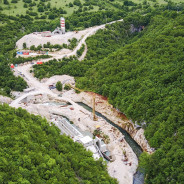
[posted on BankWatch, March 16th, 2018] Multilateral development banks have supported no fewer than 82 hydropower projects across southeast Europe, including in protected areas, according to a study by CEE Bankwatch Network released today. The study finds that the number of hydropower projects in the region that enjoy financial support from multilateral development banks and commercial banks, is even greater than previously known. Since 2005, the European Bank for Reconstruction and Development (EBRD), the European Investment Bank (EIB), and the World Bank Group have extended loans and guarantees totalling EUR 727 million to no fewer than 82 hydropower plants. This includes 37 projects in protected areas like national parks and Natura 2000 sites, or internationally recognised areas of high biodiversity value such as Important Bird Areas. The EBRD is the biggest known hydropower financier in the Balkans. The bank has supported a total of 61 plants with EUR 126 million, 29 of them inside protected areas, or internationally recognised biodiversity hotspots. Although the bank has been more cautious in recent years, it is still considering financing for the Babino Selo plant on the Vrbas and Neretvica cascade in Bosnia-Herzegovina, both of which are planned in biodiversity-rich areas. The study, which updates a report released in 2015, also finds that commercial bank money is playing a key role in enabling controversial hydropower projects. Commercial bank financing is harder to track due to the lack of transparency in the sector, but the study authors have identified 158 plants with such financing, of which 55 are in protected areas or internationally recognised areas of high biodiversity value. The most prolific commercial banks – as far as identified – are Austria’s Erste & Steiermaerkische Bank and Italy’s Unicredit Group, for which 28 loans each were found. Among others, Erste has financed a cluster of seven plants on the borders of Serbia’s Kopaonik National Park. These, together with another eight plants in the area financed from other sources, have left large stretches of the local streams with little or no water for much of the year. “The financiers need to take their share of the responsibility and ensure compliance with local and international standards. Reckless investment decisions can ruin hundreds of pristine Balkan rivers for good,” says Igor Vejnovi?, Bankwatch’s Hydropower Policy Officer and co-author of the study. “The EBRD and EIB will be updating their environmental and social policies this year. This is a crucial opportunity to tighten their rules and exclude financing for hydropower in sensitive areas,” adds Pippa Gallop, Bankwatch’s Research Co-ordinator and co-author of the study. “The Balkan rivers are of outstanding value within Europe. The dam tsunami is threatening biodiversity and local communities. It is unacceptable that also commercial banks like the Austrian Erste Bank and Italian Unicredit are supporting even the worst projects. They have decent rules on financing hydropower in theory, but aren’t implementing them properly in practice. Many of the plants they have financed would never be allowed in their home countries. They have to stop the financing of hydropower in the Balkans,” says Ulrich Eichelmann of Riverwatch. “The good news is that more than a thousand planned hydropower plants have no financing yet, so there is still much that can be done to save the Balkans’ unique rivers,” says Gabriel Schwaderer, Executive Director of the EuroNatur Foundation....
read moreNo alle trivelle nel mare Adriatico
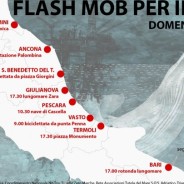
Riceviamo e diffondiamo Trivelle nel mare Adriatico, domenica 8 aprile otto flash-mob in 5 regioni adriatiche Otto eventi in cinque regioni adriatiche domenica 8 aprile per dire no ai progetti di prospezione petrolifera con l’air gun approvati dal Ministero dell’Ambiente e in via di autorizzazione definitiva da parte del Ministero dello Sviluppo Economico. Gli attivisti di diverse associazioni, dopo l’esito sfavorevole dei ricorsi al Consiglio di Stato, non demordono e rilanciano la lotta con un evento in contemporanea in Emilia Romagna, Marche, Abruzzo, Molise e Puglia con appuntamenti a: Rimini, Ancona, S.Benedetto del Tronto, Giulianova, Pescara, Vasto, Termoli e Bari. Alcune di queste iniziative erano già in programma nell’ambito della carovana “No Hub del Gas” in vista della manifestazione di Sulmona del prossimo 21 aprile contro il grande gasdotto Rete Adriatica che, con il TAP, i pozzi e gli stoccaggi che vogliono realizzare, dovrebbe trasformare l’Italia in un “Hub del Gas”. L’air gun è una tecnica di ricerca di idrocarburi estremamente dannosa per la fauna marina, come dimostrato da decine di studi, a partire dagli effetti negativi su cetacei, pesci e tartarughe. Uno dei più recenti ha confermato che durante le violente esplosioni di aria compressa si aprono “buchi” di zooplancton, la base della catena alimentare del mare, a destra e a sinistra per 1,2 km! Si consideri che le barche che realizzano queste prospezioni compiono decine e decine di passaggi su linee parallele. Questo fa capire il potenziale impatto sulla biodiversità e sulla pesca in Adriatico, a parte l’assurdo di indirizzare questo mare per i prossimi decenni a future perforazioni alla luce dei risultati che potrebbero avere queste prospezioni, con buona pace degli accordi di Parigi sul clima! Lo stesso Ministero dell’Ambiente nei decreti favorevoli di Valutazione di Impatto Ambientale ha ammesso il potenziale impatto dei progetti, imponendo un limite di ben 100 km tra due barche qualora impegnate ad usare l’air gun in contemporanea. Visto che per gli impatti il limite deve essere considerato in ogni direzione perché gli animali non conoscono i confini tra stati, arriviamo al paradosso che il Governo italiano ha imposto limiti che, se non si vogliono avere danni ai cetacei e all’altra fauna marina, dovrebbero essere rispettati in altri paesi! Tra l’altro, in termini di popolazioni animali, almeno per i cetacei e le tartarughe, l’Adriatico dovrebbe essere considerato unitariamente. Complessivamente in questi anni il ministero dell’Ambiente ha emanato 9 provvedimenti di V.I.A. favorevoli all’uso dell’air gun in Adriatico su ben 11 zone: su alcune aree si potrà passare con l’air gun due volte, nel mare davanti alle Marche, o addirittura tre, davanti alla Puglia. Quello per Spectrum Geo, come detto, è relativo a due istanze di prospezione su circa 3 milioni di ettari. La seconda area, per grandezza è quella relativa a un progetto della società Petroleum Geo-Services Asia Pacific Pte.Ltd. che riguarda 1,4 milioni di ettari di mare tra Gargano e Canale di Otranto. E’ interessante notare che di queste 9 ben 5 si stanno fermando in conferenza dei servizi con preavviso di rigetto nonostante la V.I.A. favorevole. Segno che alcune obiezioni possono essere ancora avanzate. A questi progetti in questi giorni si è aggiunta l’ennesima richiesta di Valutazione di Impatto Ambientale da parte dei petrolieri, depositata dalla Edison per il Permesso di ricerca idrocarburi “d 84 F.R-.EL” per svolgere prospezioni...
read moreManifestazione NO SNAM
Riceviamo e diffondiamo. APPELLO PER LE ADESIONI ALLA MANIFESTAZIONE “NO SNAM – No Gasdotto, No centrale, Stop Hub del gas” DEL 21 APRILE A SULMONA (AQ). AI MOVIMENTI SOCIALI, ASSOCIAZIONI, COMITATI, SINDACATI, OPERATORI ECONOMICI, ORGANIZZAZIONI DI CATEGORIA, MOVIMENTI POLITICI ABRUZZESI ED ITALIANI EMAIL PER LE ADESIONI: sulmona21aprile@gmail.com Nella seduta del 22 dicembre 2017, un Governo uscente ha approvato la costruzione della Centrale di compressione di Sulmona, anello fondamentale del progetto del mega gasdotto Snam Rete Adriatica, contro il parere di tutte le istituzioni locali, e contro una risoluzione della Commissione Ambiente della Camera. Il 7 marzo, nonostante le elezioni abbiano poi sancito la sconfitta politica di chi ha governato negli ultimi anni, è stato firmato il Decreto autorizzativo finale contro il quale ora ci sono diversi ricorsi al TAR già depositati. Invece il procedimento amministrativo per l’approvazione del gasdotto nel tratto Sulmona – Foligno stesso è ancora in corso anche se con ogni probabilità i fautori dell’opera a livello governativo proveranno ad imporne comunque la chiusura quanto prima. Il gasdotto Snam Rete Adriatica Brindisi-Minerbio, del diametro di ben 120 cm, è un’infrastruttura di quasi 700 km di lunghezza che a sua volta si collega al TAP proveniente dall’Azerbaigian. Dovrebbe attraversare tutte le aree a più elevato rischio terremoti dell’Italia centrale, compresi ben tre crateri sismici tra Umbria, Marche ed Abruzzo, e lo stesso territorio di L’Aquila per oltre 20 km, nonché le zone di alto pregio naturalistico dell’Appennino. Come detto, prevede a Sulmona, zona in categoria 1 di rischio sismico, la costruzione della centrale di compressione e spinta oggi autorizzata. Queste opere servono esclusivamente al progetto di trasformare il nostro paese in un HUB DEL GAS, per l’import/export di metano, riservato al profitto del proponente. Sono scelte imposte dall’alto, non giustificate da finalità di pubblica utilità, perché il gas che attraverserà il metanodotto non serve al fabbisogno del Paese ma alle operazioni commerciali private della Snam sul mercato internazionale degli idrocarburi. Con una vera e propria beffa, si scaricano i costi di un’infrastruttura inutile e dannosa sulle bollette di tutti gli italiani e tutti i rischi sulle comunità locali, che dovranno pagarne i pesanti effetti sul turismo, sull’agricoltura, su un’economia locale già messa gravemente in ginocchio. La decisione di trasformare l’Italia in un HUB DEL GAS è stata presa senza alcun dibattito pubblico e senza Valutazione Ambientale Strategica, in un paese che è tra i più vulnerabili in Europa per il rischio sismico e quello idrogeologico e che al tempo stesso ha una alta densità di popolazione, la più grande concentrazione al mondo di beni artistici ed enormi valori ambientali, paesaggistici e naturalistici. Un Italia che dovrebbe puntare le proprie risorse sul risanamento ambientale, sulle bonifiche e sulla valorizzazione della propria bellezza senza farla, invece, sfiorire. Infine vogliamo richiamare l’assoluta urgenza di abbandonare le fonti fossili che stanno mettendo a rischio il clima del Pianeta per puntare su efficienza, tecnologie e rinnovabili. La realizzazione di queste opere va esattamente nella direzione opposta costituendo un vincolo per decenni alle politiche sane di salvaguardia della vivibilità dell’ambiente in cui viviamo. Chiamiamo allora la Vostra adesione alla Manifestazione che si terrà sabato 21 aprile alle ore 15 a Sulmona per manifestare assieme contro questa Grande opera dannosa. EMAIL PER LE ADESIONI: sulmona21aprile@gmail.com Coordinamento NO HUB DEL GAS – ABRUZZO...
read more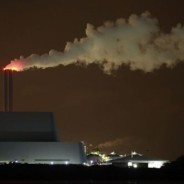
[posted by Tom Tuite on The Irish Times, March 26th, 2018] Court hears ‘glitch’ caused breach during Dublin waste plant’s first week in operation. The operator of the Poolbeg incinerator has been fined €1,000 and ordered to pay €14,000 in costs after a “glitch” led to breaking its environmental protection licence during its first week. The power plant at Pigeon House Road, Poolbeg, Dublin 4, which began operations in June last year, aims to converts waste that cannot be reused or recycled into clean energy to produce 60 megawatts of electricity, enough to power 80,000 homes. It is run by the Dublin Waste to Energy project – a public private partnership between Dublin City Council and recycling and energy company Covanta. Dublin Waste to Energy Ltd faced six counts of breaking conditions of a licence for the facility granted by the Environmental Protection Agency (EPA). Summonses had been issued after which the case was first listed before Dublin District Court in November and had been adjourned until yesterday/today (mon) when a guilty plea was entered to three of the charges. The remaining three counts were dropped. Solicitor Brendan Slattery, for the EPA, told Judge Flann Brennan the plant required and held a licence from the EPA. The charges related to events in June last year when the facility just commenced operation, he said. He said the incineration plant was one of two of its type in Ireland and the court heard this was the first prosecution of its kind. Guilty plea The operator pleaded guilty to failing to ensure on June 6th last that the incineration plant was operated in such a way that gas resulting from the process was raised at a temperature of 850 degrees Celsius. There was also a guilty plea to a charge for failing to ensure an auxiliary burner was switched on automatically when the temperature fell below 850 degrees Celsius. Dublin Waste to Energy also pleaded guilty that between June 1st and June 2nd last, both dates inclusive, it failed to ensure, in the event of an incident occurring at the facility, that the EPA was notified by 10am the following working day; and that it failed to notify in a format specified by the agency of any breach of one or more of the conditions of the licence. The court heard Dublin Waste to Energy Ltd had no prior criminal convictions and there were no other prosecutions pending. The charges were contrary to Section 8 and 86 (6) of the Environmental Protection Agency Act 1992. Shane Murphy SC, for Dublin Waste to Energy Ltd, told the court it was caused by a “glitch” and happened in the plant’s first week in operation when testing was being carried out. He asked the court to take into account the guilty plea, the lack of previous convictions as well as the fact that the facility had been under rigorous supervision and there was no evidence of environmental damage. “It is very much regretted on behalf of my client.” The court heard the offences carried a fine of up to €4,000 per offence. Judge Brennan said it was a “major factor” that no other prosecutions were “coming down the line”. He also took into account Dublin Waste to Energy Ltd’s co-operation and that the incidents took place during a special period when the plant had just opened. The testing phase had...
read more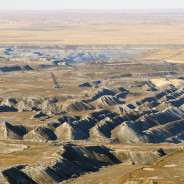
[posted by Mark Olalde on Climate Home News, March 14th, 2018] Schemes that favour coal companies in Appalachia have left a national shortfall experts said was ‘one of the biggest public failures that has gone under the radar’. As the US coal industry winds down, does it have enough money set aside to clean up the vast pits, walls and broken mountains left behind? A Climate Home News investigation has found the answer is no. Particularly in Appalachia, the land, water and health of mining communities have been put at risk by a critically underfunded system supposed to clean up after mines close. According to national data compiled and published for the first time on Thursday, mining companies and state governments hold just $9.2 billion nationwide to ensure mining land is reclaimed if operators go bust. Experts told CHN that amount falls far short of what is needed to rehabilitate more than two million acres of mining permits the system is supposed to cover. In the major coal states of Appalachia, coal production has halved in the past decade. But even as many mines slide toward closure, most states in the region rely on a system of pooled risk that lets companies put up just a fraction of the total costs of reclaiming their mines. “There is not enough money in the bonds to truly remediate those problems if there were some large-scale walking away from those bonds,” said Scott Simonton, coordinator of Marshall University’s environmental science programme. With the industry struggling to compete with cheap gas and renewable energy, mass bankruptcies could leave taxpayers with the bill for clean up. Left untreated, closed mines raise a range of environmental and community health risks, from sinkholes to acid contamination of water courses. “It is one of the bigger public failures that has gone under the radar,” said Patrick McGinley, a law professor at West Virginia University who has 40 years’ experience in the industry. The data covers all 23 states that produce 99% of US coal and about 5,000 mining permits.* It was gathered from responses to dozens of records requests submitted to the state environmental and mining agencies in charge of each state’s programme. Due to greatly varying costs of reclamation from state to state and mine to mine, there is no precise way to estimate how much should be held nationally. But McGinley said the level of bonding in general was too low and in Appalachian states in particular was “preposterous, absolutely ridiculous”. The communal funds, known as ‘bond pools’ or ‘alternative bonding systems’, have left eastern states with less money per acre – an imperfect but useful measure of the strength of a state’s bonding system – for environmental clean-up than most western states. CHN found Appalachian states hold between $2,373 per acre (Ohio) and $4,604 per acre (Maryland). Colorado, one of the best-protected mining states, holds $10,732 for every acre, and Texas bonds are $7,655 per acre. Bond pools collect money from mining companies, and if one of them goes out of business, the pool guarantees to pay any costs that exceed other money they have set aside. But if market conditions get tough and several companies fail at once, the funds will not cover all their liabilities. “How does taking 50 properties like that and adding them up make them any more credit-worthy?”...
read more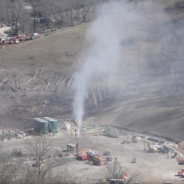
[posted by Kathiann M. Kowalski on EnergyNews, March 15th, 2018] Natural gas burns cleaner, but two recent explosions in Ohio show how accidental and “fugitive” emissions compromise some climate benefits. An explosion at a well pad in eastern Ohio last month forced nearby residents to evacuate for three weeks while crews worked to cap a gas leak. Just two weeks earlier, a gas pipeline in an adjacent county ruptured and caused several fires. The incidents illustrated a risk related to natural gas production, not just to a community’s safety but the planet’s climate, too. Both blasts triggered an uncontrolled release of methane, a potent greenhouse gas. Such accidental and other “fugitive” emissions are poorly tracked and compromise some of the benefits from the recent shift to natural gas. In Ohio, most of the state’s progress in cutting greenhouse gas emissions has come from natural gas displacing coal for electricity generation. Natural gas releases fewer carbon emissions than coal when burned, but the accounting on climate progress often ignores upstream releases during extraction, processing and distribution. Two big accidents Tallgrass Energy estimated 23.5 million cubic feet of gas were released as a result of the January 31 explosion on its Seneca Lateral Pipeline. The pipeline transports gas from the MarkWest processing plant to the Rockies Express Pipeline. The company shut down flow to that part of the pipeline the same day, cutting off the emissions. “Our emergency response plan worked as it was supposed to during this incident, and we’re grateful for the fast and efficient efforts of first responders to help us secure the site safely,” TallGrass spokesperson Phyllis Hammond said. “Working together we ensured there were no injuries.” The well pad explosion involved a blowout that led to uncontrolled venting of gas, according to a February 17 memo from on-scene coordinators for the U.S. Environmental Protection Agency. “Natural gas, produced water, and brine [have] been discharged along with unknown condensate components,” the report noted. It estimated the volume at that time to be 100 million cubic feet per day. A video from environmental advocacy group Earthworks showed that gases continued to escape from the site, owned by XTO Energy, on March 5. A spokesperson for the company, Karen Matusic, said the gases were primarily methane, a nontoxic, odorless and colorless gas. “The volume of emissions and the length of time this volume has been emitted to the atmosphere are very unusual,” said Bruce Baizel, energy program director for Earthworks. “So this event has large climate implications, assuming the bulk of what we see is methane.” The two recent Ohio accidents and similar events don’t tell the whole story, however. “Hundreds and thousands of smaller emission sources happen every day at oil and gas facilities,” Baizel said, adding that the story of those emissions is largely untold. Ongoing emissions Leaks or intentional flaring of methane happens at some sites on an ongoing basis. In contrast to the recent large accidents, those releases are largely preventable, said Melanie Houston, who heads the Ohio Environmental Council’s climate programs. Controlling those emissions “would require a little bit of upfront costs from the industry, but they would be able to recoup those costs and capture more of their resource,” she said. Methane “can cause very rapid warming over a short time period,” said Amy Townsend-Small, an environmental scientist at the University of Cincinnati. “The kinds of climate tipping points that we...
read more