
La voce di A Sud dalla COP30 di Belém (Brasile) e le iniziative in Italia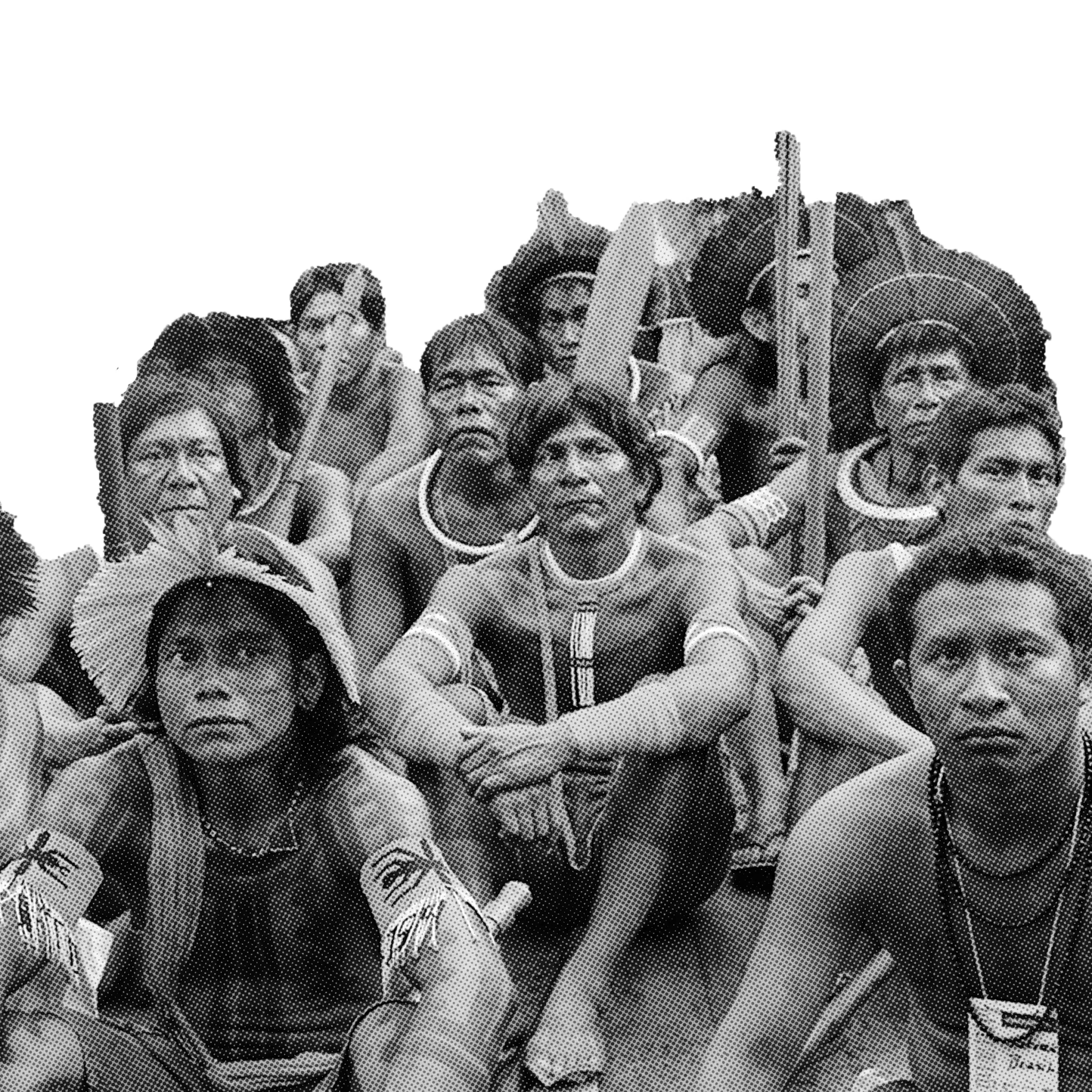
Dal 10 al 21 novembre 2025 saremo a Belém, in Brasile, per partecipare come osservatori alla 30° Conferenza delle Nazioni Unite sul Clima. Racconteremo quanto avviene dentro e fuori le negoziazioni, porteremo e raccoglieremo le voci dei territori in lotta contro l’estrattivismo, contro il greenwashing e per una transizione ecologica realmente giusta.
Iscriviti al bollettino Sostieni il nostro lavoroL’agenda della COP30
A Belém si discuteranno e valuteranno gli NDCs, i nuovi impegni climatici nazionali che stabiliscono gli obiettivi di riduzione delle emissioni di ogni paese. Accanto alla mitigazione, l’adattamento sarà uno dei temi centrali attraverso il Global Goal on Adaptation (GGA) e i nuovi Piani nazionali di adattamento. Un altro capitolo chiave sarà quello della finanza per il clima. Tra i punti principali il nuovo obiettivo di finanziamento (NCQG), che punta ad aumentare il sostegno ai Paesi in via di sviluppo da 100 a 300 miliardi di dollari l’anno, e la Roadmap Baku-Belém, che traccia un percorso per mobilitare almeno 1.300 miliardi di dollari l’anno entro il 2035.
Temi cruciali, che si scontrano con uno scenario geopolitico ostile, segnato dal negazionismo climatico, dai venti di guerra, dalla corsa al riarmo e dalla violenza istituzionale. Non è un caso che in gioco a Belém ci sia più che mai la credibilità della diplomazia climatica e la sua capacità di tradurre le intenzioni in impegni concreti.
La Cupula dos povos
La Cúpula dos Povos è il grande incontro dei movimenti sociali e delle comunità che vivono in prima linea la crisi climatica. Nata nel 1992 come risposta critica alle negoziazioni ufficiali, propone un’alternativa fondata su giustizia climatica, sociale e ambientale, solidarietà e saperi ancestrali.
Dal 12 al 16 novembre 2025, in concomitanza con la COP30 di Belém, riunirà popoli indigeni, comunità quilombola e tradizionali, giovani e lavorator? in marce, dibattiti e azioni culturali.
La Cúpula mette al centro vite, diritti e territori, non statistiche: unisce chi costruisce ogni giorno soluzioni reali, dall’agroecologia alla difesa dei beni comuni, per spingere i governi ad adottare politiche di vera giustizia climatica.
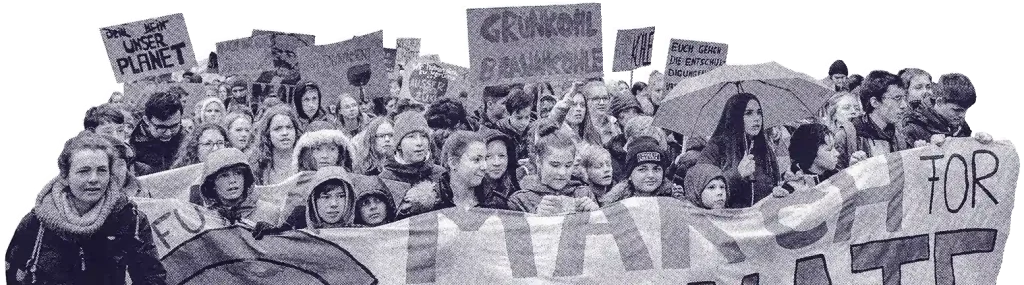
Dichiarazione della Cupula Dos Povos
 Perché A Sud e CDCA alla COP?
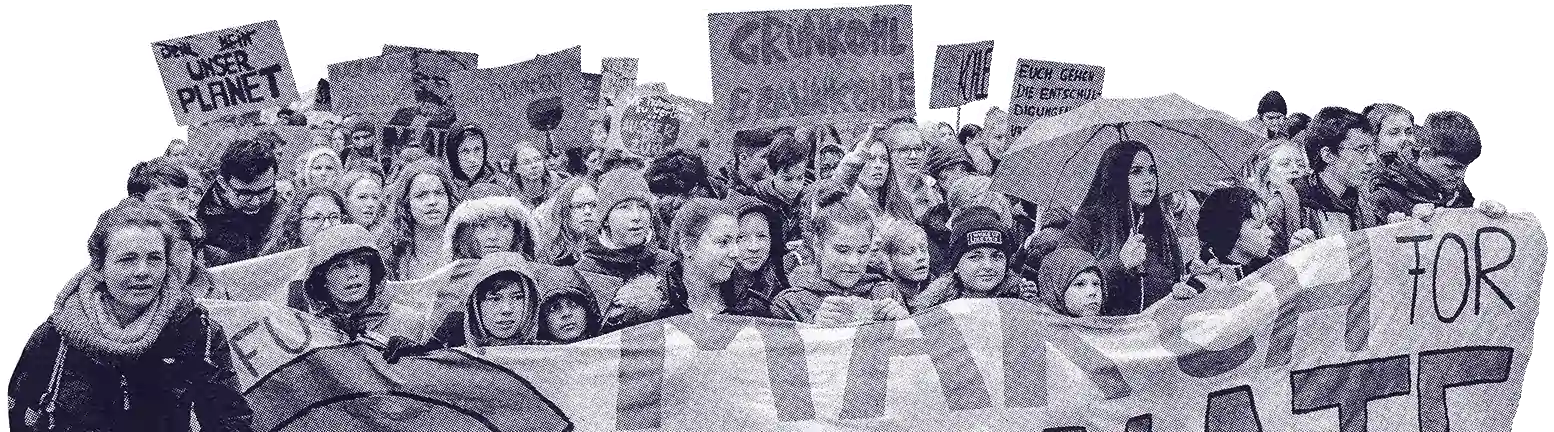
Nelle Cop si riuniscono i governi dei 197 Paesi che hanno ratificato la Convenzione Quadro delle Nazioni Unite sui Cambiamenti Climatici (UNFCCC), firmata a Rio de Janeiro nel 1992. Ma la COP30 non è solo un vertice diplomatico: è il terreno di confronto (e di scontro) tra attori diversi e diverse visioni del mondo. Da una parte il business as usual che trasforma la crisi climatica in profitto, dall’altra movimenti e territori che lottano per giustizia climatica, autodeterminazione e diritti della Natura.
La COP30 si terrà nel cuore dell’Amazzonia, a Belém do Pará, in Brasile. Non è un dettaglio geografico ma una scelta politica: è nel Sud globale che l’ingiustizia climatica colpisce più duramente mentre il Nord globale continua a negoziare emissioni e interessi fossili.
Qui non si decide solo il futuro del clima: si decide chi avrà diritto a un futuro.
Per raccontare cosa c’è in gioco, e come finisce la partita.
Andiamo alla COP per osservare da vicino i negoziati, capire quali equilibri politici e di potere si stanno ridefinendo, e portare la prospettiva dei territori e dei movimenti che chiedono giustizia climatica.
La partecipazione di A Sud e CDCA serve a connettere le lotte locali con quelle globali, rafforzare alleanze internazionali e raccontare – con sguardo indipendente e critico – come la diplomazia climatica sta affrontando, o eludendo, le proprie responsabilità.
Perché solo intrecciando voci e resistenze dal basso possiamo costruire un futuro giusto per tutt?.
Per costruire e rafforzare alleanze internazionali
Svolgere la COP in Brasile è un segnale che conta: significa rimettere al centro chi la crisi climatica la subisce davvero. Andiamo a Belém per stare con i movimenti globali per la giustizia climatica. In America Latina oggi si gioca una partita enorme: conflitti ambientali, estrattivismo, repressione, lotte indigene e popolari che resistono da decenni. Con tante realtà — dalla Colombia alla Bolivia, fino all’Amazzonia — abbiamo già lavorato, fatto campagne, costruito ponti. Lì ritroviamo compagn? con cui condividiamo visioni e pratiche.
Per portare una visione radicale dentro la COP
Sì, probabilmente sarà l’ennesimo flop diplomatico. Ma proprio per questo dobbiamo esserci, per non lasciare quei tavoli alle lobby fossili e ai governi che parlano di transizione mentre trivellano.
Da dentro vedi meglio le dinamiche, le crepe, le possibilità di alleanze e di conflitto.
Andiamo per portare la prospettiva della giustizia climatica e delle lotte dal basso, che legano crisi climatica, razzismo, patriarcato e disuguaglianze. La COP non è un punto d’arrivo: è un passaggio. Il resto si fa fuori, insieme, ogni giorno.
Diario dalla COP30
- Giorno 12 – 24 novembre 2025
Belém svela il fallimento della diplomazia climatica, ma apre spiragli: una roadmap anti-fossile e nuove alleanze per la giustizia.
Leggi l’articolo / Ascolta su Scanner
- Giorno 11 – 21 novembre 2025
Penultimo giorno a Belém: incendio in COP30, stalli politici e pressioni crescenti sul BAM e sull’uscita dai fossili.
Leggi l’articolo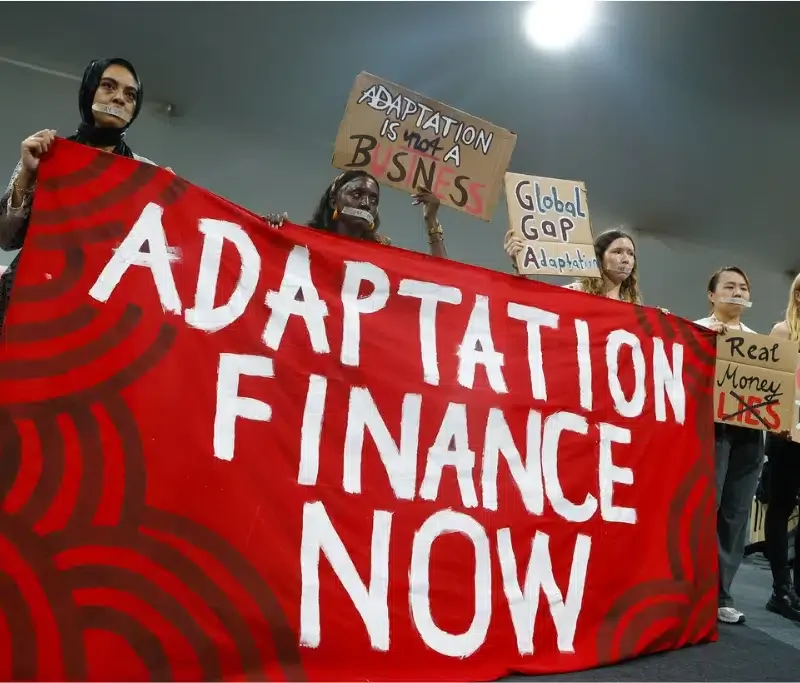

- Giorno 10 – 20 novembre 2025A Belém 85 Paesi spingono per uscire dai fossili, mentre Italia e Polonia frenano. La COP30 è al bivio, il tempo è adesso.
- Leggi l’articolo / Ascolta su Scanner
- Giorno 9 – 19 novembre 2025
Belém rilancia la lotta globale ai fossili: la Colombia guida un fronte che vuole uscire davvero dal modello che brucia il pianeta.
Leggi l’articolo / Ascolta su Scanner
- Giorno 8 – 18 novembre 2025
Alla COP30 la transizione dai combustibili fossili sembra lontana, mentre i fondi dell’adattamento sono sotto il minimo.
Leggi l’articolo / Ascolta su Scanner
- Giorno 7 – 17 novembre 2025
Belem in rivolta: popoli indigeni e movimenti sociali spingono per una COP30 che dica finalmente basta ai fossili.
Leggi l’articolo / Ascolta su Scanner

- Giorno 6 – 15 novembre 2025
Anche quest’anno i dati sulla presenza dei lobbisti Gas&Oil alla conferenza di Belém sono alti: su ogni 25 persone accreditate al vertice, uno è un lobbista dei combustibili fossili, in totale sono oltre 1600.
Leggi l’articolo
- Giorno 5 – 14 novembre 2025
Il TFFF entra nella Cupula tra promesse e contraddizioni: fondi incerti, debiti in aumento e movimenti che denunciano l’ennesima falsa soluzione verde.
Leggi l’articolo / Ascolta su Scanner
- Giorno 4 – 13 novembre 2025
A Belém la protesta indigena irrompe nella COP30 e svela le contraddizioni del Brasile fossile. Intanto la Cupula esplode di mobilitazioni globali.
Leggi l’articolo /Ascolta su Scanner
- Giorno 3 – 12 novembre 2025
Adattamento al centro della COP30, ma i fondi restano insufficienti. A Belém arrivano movimenti e comunità indigene: la vera pressione viene dai territori.
Leggi l’articolo / Ascolta su Scanner
- Giorno 2 – 11 novembre 2025
Lula parla di disuguaglianze alla Cop30, ma il Brasile continua a spingere sul fossile. A Belém torna al centro il nodo tra clima e ingiustizia.
Leggi l’articolo / Ascolta su Scanner
- Giorno 1 – 10 novembre 2025
Dalla Cop30 alla Cúpula dos Povos: a Belém si apre la sfida per la giustizia climatica tra responsabilità globali, diritti dei popoli e resistenza dei territori.
Leggi l’articolo / Ascolta su Scanner
Articoli di approfondimento alla COP30
- Cosa resta della Cop30, la battaglia per il clima e i diritti è ancora lunga – 24 novembre 2025
Marica Di Pierri e Laura Greco su Domani – COP30 fallisce su fossili e foreste, ma il Bam e il blocco dei 82 paesi per l’uscita dal fossile aprono spiragli di lotta e nuove alleanze.
Leggi l’articolo
- Sulla fine dei lavori della COP30 – 24 novembre 2025
Marica Di Pierri su EconomiaCircolare.com – Cosa è successo alla 30° Conferenza delle Parti della Convenzione delle Nazioni Unite sui cambiamenti climatici? Quali sono le grandi vittorie? Quali le sconfitte?
Guarda la diretta
- La tabella della discordia – cos’è successo alla COP30 – 23 novembre 2025
Laura Greco su Radio24 – COP30 a Belém annuncia impegni su energia, foreste e adattamento, ma senza una vera uscita dal fossile restano promesse vuote da incalzare con lotte dal basso.
Ascolta su Il Sole 24 ore
- “A resposta somos nós”. Ma alla COP30 le richieste dei popoli indigeni non fanno breccia – 23 novembre 2025
Laura Greco su EconomiaCircolare.com – Alla COP30 le voci indigene restano ai margini mentre la foresta corre verso il punto di non ritorno. Senza giustizia, non c’è futuro.
Leggi l’articolo
- La “Dichiarazione di Belém” e il multilateralismo del phase out dai fossili spinto dal basso – 21 novembre 2025
Laura Greco su Altreconomia – Da Belém arriva una spinta dal basso per uscire dai fossili: governi e movimenti uniscono le voci per un phase out reale, giusto, globale.
Leggi l’articolo
-
- Cop30: senza il Gender action plan ogni azione climatica è limitata – 21 novembre 2025
Marica Di Pierri e Laura Greco su Valori – Nonostante le ambiziose premesse il Gender action plan ha trovato diversi ostacoli sui tavoli negoziali della Cop30
- Cop30: senza il Gender action plan ogni azione climatica è limitata – 21 novembre 2025

- Alla Cop30 arrivano le storie di migrazioni climatiche – 21 novembre 2025
Marica Di Pierri su EconomiaCircolare.com – Alla Cop30, in vista delle negoziazioni finali, si parla del fenomeno crescente degli sfollamenti forzati dal cambiamento climatico.
Leggi l’articolo
- Belém, la foresta degli indigeni si ribella a Lula – 20 novembre 2025
Laura Greco su Il Manifesto – Le nazionalità dell’Amazzonia denunciano l’inagibilità politica alla Cop e chiedono una mobilitazione internazionale guidata direttamente dai popoli indigeni per proteggere i loro territori e affrontare la crisi climatica alla radice
- Alla Cop 30 i movimenti si riprendono la scena – 20 novembre 2025
Marica Di Pierri su Il Manifesto – Era dalla Cop 26 di Glasgow che non si vedeva così tanta società civile. Accanto al vertice ufficiale, in più di 50 mila hanno animato la «Cupula dos povos» per una svolta vera sul clima e i diritti
Leggi l’articolo
- COP30, BELÉM | Italiani in mobilitazione – 20 novembre 2025]
Il Climate Pride in azione alla COP30: l? attivist? chiedono all’Italia una roadmap chiara e ambiziosa per uscire dai fossili.
Leggi il comunicato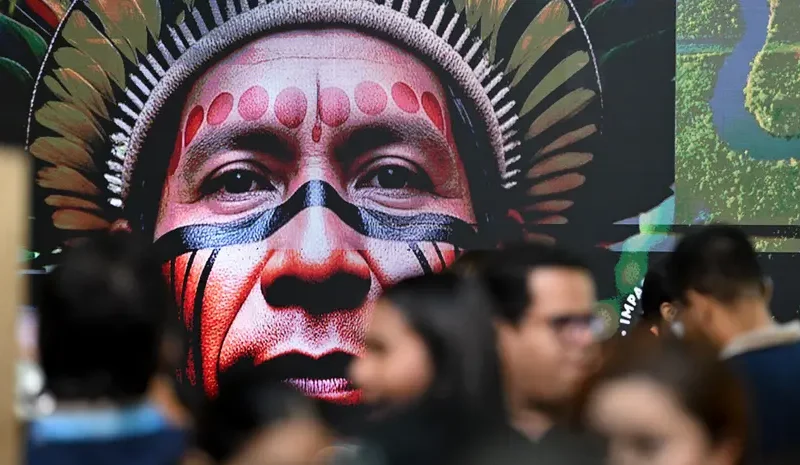

- A Belém torna il protagonismo sociale – 19 novembre 2025
Marica Di Pierri su Collettiva – Alla Cop30 movimenti, organizzazioni, popoli e sindacati riacquistano centralità: proposte e campagne dal basso sono arrivate nelle stanze dei negoziati.
Leggi l’articolo
- Come procede la COP30 in Brasile? Intervista a Laura Greco da Bélem – 19 novembre 2025
Laura Greco su Scienza e Pace Magazine – COP30 tra repressione, lobby fossili e resistenze indigene: la giustizia climatica la costruiscono i territori, non i negoziati.
Leggi l’articolo
- Lifegate dalla COP30 – 18 novembre 2025
Marica Di Pierri su Lifegate – Dalla COP30 il racconto dell’inedita comunicazione tra dentro e fuori la COP, tra le richieste indigene e l’ambiguo governo di Lula.
Ascolta su Lifegate
- Il Fondo per le foreste e la falsa soluzione del biocapitalismo si ripropone alla Cop30 di Belém – 18 novembre 2025
Laura Greco su Altreconomia – Il Tropical forests forever facility lanciato da Lula è l’ennesimo dispositivo finanziario che viene presentato come innovazione.
Leggi l’articolo
- Attivismo e giustizia climatica: se il diritto alla protesta diventa un reato – 17 novembre 2025
Marica Di Pierri su Valori.it – Alla Cop30 emerge un allarme globale: in molti Paesi il diritto alla protesta viene represso e l’attivismo ambientale è sempre più criminalizzato
Leggi l’articolo
- Alla Cop30 di Belèm il fondo per l’adattamento resta senza fondi – 17 novembre 2025]
Marica Di Pierri su EconomiaCircolare.com – Alla Cop30 fallisce, per il terzo anno di fila, l’obiettivo di raccolta minima per finanziare l’adattamento dei Paesi del Sud globale.
Leggi l’articolo

- Massiccia partecipazione popolare a Belém – 16 novebre 2025
Marica Di Pierri su L’aria Che Respiri – Alla Cúpula dos Povos tantissime voci per reclamare la fine dei combustibili fossili e una giustizia climatica guidata dai popoli, non dalle multinazionali.
Ascolta su Radio Rai1
- In diretta da Bele?m – Aggiornamenti sulla prima settimana di COP30 – 15 novembre 2025
Marica Di Pierri su EconomiaCircolare.com – In diretta da Belém, per raccontare in diretta i lavori della 30° Conferenza delle Parti della Convenzione delle Nazioni Unite sui cambiamenti climatici. ?Foto di Oliver Ninja e Midia Ninja
Guarda la diretta
- Cop30: chi difende i combustibili fossili dentro i negoziati sul clima – 14 novembre 2025
Marica Di Pierri per Altreconomia – Alla Cop30 un lobbista fossile ogni 25 delegat?: il vertice che dovrebbe chiudere l’era fossile continua a farsela scrivere da chi la profitta.
Leggi l’articolo
- Giustizia climatica, questa dimenticata – 13 novembre 2025
Marica Di Pierri su Il Manifesto – Il legame tra clima e disuguaglianze è ormai assodato. Ma dopo 30 anni di conferenze, i ricchi continuano a fare grandi affari con i fossili.
Leggi l’articolo
- L’adattamento secondo la COP30: “Adattarsi è sopravvivere” – 13 novembre 2025
Marica Di Pierri per EconomiaCircolare.com – COP30 punta a rendere operativo il Global Goal on Adaptation, tra governance multilivello, indicatori, fondi insufficienti e necessità di giustizia climatica.
Leggi l’articolo
- La Cop30 in Brasile e le politiche industriali green – 11 novembre 2025
Marica Di Pierri per Tutta La Città Ne Parla, Radio3 – È iniziata la Cop30 a Belém, 10 giorni in cui si discuterà su come trovare una via d’uscita alla deriva del cambiamento climatico nonostante le difficoltà politiche che ci circondano.
Ascolta l’episodio
- Road to Belém – 7 novembre 2025
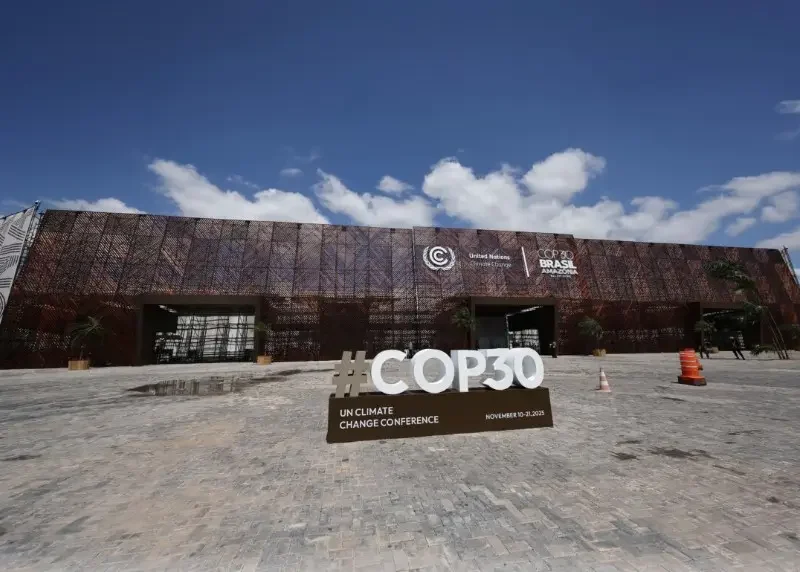 Marica Di Pierri per Valori.it – Verso la Cop30 di Belém, cosa aspettarci dal più importante appuntamento per salvare il clima della Terra? Diretta con Marica Di Pierri, Luca Lombroso, Giovanni Mori e Lorenzo Tecleme.
Guarda la diretta
 Marica Di Pierri per Valori.it – Verso la Cop30 di Belém, cosa aspettarci dal più importante appuntamento per salvare il clima della Terra? Diretta con Marica Di Pierri, Luca Lombroso, Giovanni Mori e Lorenzo Tecleme.
- Da Parigi a Belém, i conti che non tornano – 6 novembre 2025
Marica Di Pierri per Il Manifesto – Tra tensioni e fragili compromessi, i preparativi alla vigilia della Conferenza Onu. A che punto sono gli impegni nazionali di riduzione e i piani di adattamento dei singoli Paesi.
Leggi l’articolo
- A Sud a Belém alla Cop30 – 6 novembre 2025
A Sud seguirà negoziati e mobilitazioni dalla COP30 di Belém, amplificando le voci dei movimenti per giustizia climatica e sociale.
Leggi l’articolo
- A Sud aderisce alla Global Call to Action della Cúpula dos Povos – 5 settembre 2025
Il 15 novembre scendiamo in piazza: basta disuguaglianze e razzismo ambientale, vogliamo giustizia climatica e un mondo dove la vita sia al centro.
Leggi l’articolo
- Vertice dei Popoli Verso la COP30: Manifesto Politico – 13 giugno 2025
A Sud aderisce al Manifesto dei Popoli verso la COP30: un appello globale per giustizia climatica, anticapitalismo e democrazia dal basso.
Leggi l’articolo
Racconteremo le negoziazioni
Per spiegare cosa accade davvero alla COP30, come si muovono i governi e quali interessi guidano le scelte sulla crisi climatica. Vi offriremo una copertura quotidiana per raccontarvi con le nostre parole e con uno sguardo critico, indipendente e radicale, vicino ai movimenti il dentro e fuori la Cop
Sveleremo le contraddizioni
Tra le promesse ufficiali e la realtà, mostrando lo scontro continuo tra lobby fossili e popoli che difendono la vita e i territori. Denunceremo le responsabilità smascherando la falsa transizione energetica e chi continua a inquinare mentre parla di sostenibilità con greenwashing e false soluzioni
Daremo voce alle comunità
Portando le loro storie, le lotte quotidiane e le alternative concrete alla devastazione ambientale, contro colonialismo ed estrazione. Ci collegheremo con l’Italia per connettere istanze e battaglie
INFO E CONTATTI
Per contatti e interviste con la delegazione:
maricadipierri@asud.net
+ 55 21 967071220
Laura Greco
lauragreco@asud.net
+55 21 997673184
[posted by Bashir Goth on Gulf News, March 16th, 2017] We often hear the platitude “water is precious” while we carry around bottles of water we can drink anytime. We bathe with it several times a day, wash our cars with it, flood our lawns and gardens with gallons of it, and waste it in every conceivable way. On rare occasions, when we wake up in the morning and we don’t find readily available water in the faucet we go crazy, frantic that we can’t brush our teeth, wash our faces, or flush our toilets for a single morning. Now, imagine, just a sip, stands between you and death, and there isn’t any to be found. This is exactly what is happening now in Somalia where according to the United Nations more than 6.2 million people face famine and starvation due to food insecurity caused by poor rainfall and lack of clean water. “Somalia is in the grip of an intense drought, induced by two consecutive seasons of poor rainfall. In the worst-affected areas, inadequate rainfall and lack of water has wiped out crops and killed livestock, while communities are being forced to sell their assets, and borrow food and money to survive,” says the report. In a country where more than 48 per cent of the population are nomads and farmers in rural areas, rain is a life giver. No wonder that Somalis measure prosperity by ‘Biyo iyo Baad’ (water and green pasture). And when there is a shortage of rain for more than two consecutive years, as preceded the current situation, the result is famine, starvation, and even the death of people and livestock. It was in 2010-2011 when the country was hit by its last, and one of the most devastating droughts in its history, which developed into a famine that killed approximately 258,000 according to the UN and its agencies. And presently Unicef lists Somalia as one of the countries of heightened concern where acute malnutrition could kill tens of thousands of children if a quick international response does not arrive. Large numbers of people have already been uprooted from their nomadic areas and moved to either urban places or other rural areas less affected by the dry conditions. The worst hit areas are in the eastern regions of the otherwise peaceful and self-declared state of Somaliland and the northern and central regions of Somalia proper. The people have lost all their livestock which is also the main income earner of the country, contributing 40 per cent of the country’s GDP. In 2015 alone Somalia exported 5.3 million heads of livestock to Middle Eastern markets, according to the Food and Agriculture Organisation (FAO). This explains why drought puts not only the pastoral life of people at risk but also hinders the economic recovery of the country which is already hampered by a civil war and other major geopolitical, socioeconomic and ecological challenges. Droughts are natural calamities that can happen anywhere due to environmental changes but what makes it more deadly in Somalia than other places is the continued conflict that denies relief aid to reach the needy or makes it difficult for affected nomads to travel from drought affected areas to other places where they could find help and succour, bringing the Somalis face to face with one...
read more
[posted by Todd C. Frankel on The Washington Post, February 28th, 2018] In Congo’s sun-scorched and dusty south, thousands of miners scour underground tunnels hunting for cobalt. Many of them work by hand. That’s why they are known as creuseurs — French for diggers. They don’t use power tools. They don’t wear face masks and often no gloves. They do it because they live in one of the poorest countries in the world, and cobalt is valuable. The mineral is essential for the lithium-ion batteries found in smartphones and many electric vehicles. Most of the world’s cobalt supply comes from the Congo region. These cobalt-laden chunks of rock leave the country destined for refineries in Europe and China, where they enter the complex supply chains of some of the largest technology and automotive firms. Creuseurs know their work is physically dangerous. Death and injury from tunnel collapses are not uncommon. Children sometimes join their older brothers and fathers in the mines. But what’s less understood are the environmental health risks posed by the extensive mining. Southern Congo holds not only vast deposits of cobalt and copper but also uranium. Scientists have recorded alarming radioactivity levels in some mining regions. Mining waste often pollutes rivers and drinking water. The dust from the pulverized rock is known to cause breathing problems. The mining industry’s toxic fallout is only now being studied by researchers, mostly in Lubumbashi, the country’s mining capital. The mines provide much-needed work for the region’s millions of mostly impoverished residents. But the work’s toll on land and bodies is seen by many as devastating. Last year, Lena Mucha, 34, a German photojournalist, met with people who were directly affected by the mining activities in the region. She met with mothers who had miscarriages and photographed infants born with deformities whose fathers worked in the mines. Cobalt is mined all over the world, but 60 percent comes from Congo. As Mucha told In Sight, “we are all using cobalt … it’s difficult to not use it, but it’s important to let people know what is the story behind this.”...
read more
[posted by Joe Watts on The Independent, March 1st, 2018] Michael Gove has launched a searing attack on an audience of water company bosses – accusing their firms of avoiding billions of pounds in tax, overpaying executives and failing to properly invest in infrastructure. The Environment Secretary said some companies had been funnelling almost all their profits to shareholders, while having “hidden behind complex financial structures” in off-shore tax havens to avoid the Inland Revenue. In an unexpected move for a Conservative Cabinet minister, he named and shamed the chief executives of particular companies, whose representatives would have been attending the conference he was speaking at. Mr Gove has already warned water firms he will not refrain from strengthening their industry’s regulator if they refuse to give consumers a better deal, with Jeremy Corbyn’s Labour promising full renationalisation if it wins power. In a speech to the Water UK City Conference on Thursday Mr Gove said: “Far too often, there is evidence that water companies – your water companies – have not been acting sufficiently in the public interest. “Some companies have been playing the system for the benefit of wealthy managers and owners, at the expense of consumers and the environment.” He went on: “They have shielded themselves from scrutiny, hidden behind complex financial structures, avoided paying taxes, have rewarded the already well-off, kept charges higher than they needed to be and allowed leaks, pollution and other failures to persist for far too long.” While there had been some acknowledgement that change had to come from the industry, he said companies are guilty of “prevarication and procrastination, ducking and diving and dragging of feet”. He set out how water companies had paid out £18.1bn to shareholders between 2007 and 2016, a figure almost equal to the total profit over the same period. Mr Gove went on: “And who made those decisions? Well, of course, it’s the people in this room – chief executives and board members of the privatised water companies. “And you must realise that in the public eye you are very handsomely remunerated.” He singled out the chief executive of United Utilities, who he said was paid £2.8m per year, Severn Trent’s chief executive, £2.42m per year, and the chief executives at Anglian and Yorkshire who he said are paid £1.2m a year, while the boss of Thames Water receives £960,000 a year. Mr Gove then turned his fire on the companies’ tax arrangements, saying some are not contributing enough to Treasury coffers, and others are “very much not”. He said: “Last year Anglian, Southern and Thames paid no corporation tax. Indeed Thames has paid no corporation tax for a decade. “Ten years of shareholders getting millions, the chief executive getting hundreds of thousands, and the public purse getting nothing. “And water companies have been able to minimise their tax obligations, even as many have failed to minimise leaks and pollution, because some of their best brains appear to be as intent on financial engineering just as much as real engineering.” He accused four water companies – Thames, Southern, Anglian and Yorkshire – of making “particularly keen use of sophisticated financial engineering”. The Cabinet minister said the companies had “set up multi-layered corporate structures of dizzying complexity” involving multiple subsidiaries with some based in offshore tax...
read more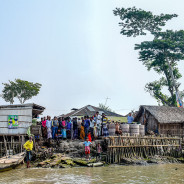
[posted by Warren Cornwall on Science, March 1st, 2018] For Jaharul Sardar, a rice farmer in rural Bangladesh, the perils of living behind a wall hit home one cloudy May afternoon in 2009. Sardar was standing beside his fields when he heard neighbors cry out in alarm. A black hill of seawater was sweeping toward him. Sardar’s wife and 5-year-old son clambered atop the embankment that stands guard over his mud-floored house. Instead of joining them, he dashed inside to rescue a suitcase stuffed with cash and property records. Within seconds, waves slammed into the house. Sardar was trapped. Water pushed the structure, with him inside it, into an adjacent pond. His wife pulled him to safety, soaked but alive. For Sardar, relief was short-lived. That day marked the beginning of fierce floods. Each day the tide poured in through the breached wall, drowning fields and homes in saltwater, and then withdrew and left a blanket of mud. “During high tide it was all underwater. And during low tide it was like [a] desert,” Sardar says. The 4-meter-high earthen wall that failed dated from the 1960s. It encircles 80 square kilometers of land to create a massive “polder”—an artificial island surrounded by the vast tidal rivers that extend like thick tendrils from the nearby Bay of Bengal. At 66, Sardar remembers conditions before the wall, when flooding during very high tides was the norm here. Until that fateful day in 2009, the flooding appeared to be banished. Bangladesh, a vast river delta that barely rises above the sea at the best of times, is buffeted by natural forces including flooding rivers and cyclones blowing in from the bay. Over decades, the country has developed defenses: warning systems, storm shelters, salt-resistant crops, and 139 polders near the coast—a 5700-kilometer network of walls to protect farmland from inundation. But humanmade infrastructure is not infallible and can cause problems of its own. That’s starkly apparent across the country’s polders, which have disrupted a fragile standoff between water and land and are now straining to hold back the water. As climate change compounds that threat with rising seas and stronger storms, Bangladeshis who have spent years building barricades are considering what was once unthinkable: letting the water in. It’s resilience by bending, not resisting. And it’s tougher to do than it sounds. Other countries are trying similar approaches. Vietnam recently adopted plans to allow more flooding in the upper reaches of the Mekong delta. The Netherlands, renowned for building some of the world’s most sophisticated sea walls, is adapting suburbs for controlled river flooding. On the other end of the spectrum sits Indonesia, which is planning a $40 billion, 40-kilometer-long sea wall to shield its capital city, Jakarta, from the Java Sea. Here in a country the size of Iowa that’s home to 165 million people, experiments in resilience underscore the challenges of rearranging a crowded landscape. “You can’t remove the polders now,” says Anisul Haque, a hydraulic modeler at the Bangladesh University of Engineering and Technology (BUET) in Dhaka who studies coastal flooding. “So what can you do?” The dance between water and land Rivers are the midwives of Bangladesh. The Ganges and Brahmaputra pour from the Himalayas and converge with the Meghna River to form the world’s fourth largest drainage, which flows...
read more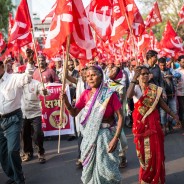
[posted by Parth M.N. on People’s Archive of Rural India, March 8th, 2018] Shankar Waghere flings his plastic bag on the ground and hunches over on his wooden cane to gather his breath. Then he kneels down, panting, and closes his eyes. They remain shut for the next 15 minutes. It’s been a lot of walking today for this 65-year old. Around him, in the darkness, are some 25,000 other farmers. “We have to fight for our rights,” he says, sitting on the Nashik-Agra highway in Igatpuri’s Raigadnagar locality. It is the first halt of a massive farmers’ morcha that began in Nashik town on March 6, on a busy Tuesday afternoon. The farmers plan to reach Mumbai on Sunday, March 11, and encircle the legislative assembly building the day after – to protest against the state government’s failure to fulfil its promises. The Akhil Bharatiya Kisan Sabha, the farmers’ collective of the Communist Party of India (Marxist), has called for this long march. One of the organisers, Ajit Navale, general secretary of the Kisan Sabha, says the government cannot get away with hollow words. “In 2015, we had protested for the farmers to get their [rights to the] forest land, better rates for crops, a loan waiver and so on,” he says. “The government is merely pretending to fulfil its promises. This time it is now or never.” As the march moves along, more farmers from across Maharashtra – from Marathwada, Raigad, Vidarbha and other districts – are expected to join and the numbers are likely to multiply by the time the morcha reaches Mumbai, 170 km from its starting point. For now, most of the farmers already on the move are from Nashik district and nearby areas, many of them from Adivasi communities. Waghere, from the Koli Mahadev community, has come from Nalegaon village in Dindori taluka of Nashik. Earlier in the day, he reached CBS Chowk in Nashik – 28 km from Nalegaon – by foot. The long walk to Mumbai began from this chowk later that afternoon. “We have been cultivating the land for generations, yet it still comes under the forest department,” he says. “In spite of promises [to give land rights to Adivasi farmers under the Forest Rights Act of 2006] we are not owners of the land.” In Waghere’s village, almost everyone cultivates rice. “The production cost for an acre is Rs 12,000. If the rains are good, we get 15 quintals of rice [per acre],” he says. “The current [market] rate is Rs 10 a kilo [Rs 1,000 per quintal]. How will we sustain? When I got to know of the march, I decided I will participate, come what may.” When I reach CBS Chowk at 1 pm, the crowd is still sparse, waiting. Gradually, jeeps full of farmers start pouring in, filling up the entire street with a sea of red CPI(M) flags and caps. Some of the men have wrapped handkerchiefs around their foreheads, the women have covered their heads with saris as shields against the hot sun. Most of the people here are carrying plastic bags or shoulder bags containing clothes, and wheat, rice, bajra and a few other food grains to last for the week-long march. By 2:30 pm, the men and women dip into their bags...
read more
[posted on Center for International Environmental Law, February 9th, 2018] Yesterday, the Inter-American Court of Human Rights released a precedent-setting opinion which recognizes the right to a healthy environment as fundamental to human existence and enumerates key duties of States in protecting that and other environment-related rights. “This opinion extends and strengthens the growing body of law confirming States’ obligations to protect the right to a healthy environment,” says Carla García Zendejas. Senior Attorney at the Center for International Environmental Law (CIEL). “This historic precedent will bolster communities seeking justice not only in Latin America but around the world, from communities affected by mining in Colombia to climate justice advocates in the Philippines and beyond.” The opinion is particularly significant because decisions from the IACHR have advanced jurisprudence at international courts worldwide for decades. CIEL provided input on the legal questions under consideration by the court through an amicus brief. Importantly, the opinion recognizes that the right to a healthy environment is both an individual and collective right that protects both present and future generations. Critically, it recognizes that a country’s duty to protect these rights does not stop at its own borders. Governments have a duty under the Convention to protect human rights from environmental impacts and damages caused by activities under the jurisdiction or control of the State, even when the harms fall outside their territory. “This opinion has ramifications far beyond the marine environments that prompted Colombia’s question,” adds CIEL President Carroll Muffett. “In recognizing that the right to a healthy environment transcends both borders and generations, the Opinion will make a vital contribution to accelerating efforts to protect the rights of present and future generations from transboundary harm, including the impacts of climate change.” The decision also marks a vital step toward codifying access rights as enshrined in Principle 10 of the Rio Declaration. The decision articulates, “States have the obligation to guarantee access to information with respect to activities that may affect the environment, the duty to guarantee the right to public participation in decisions and policies that may affect the environment, and access to justice with respect to State obligations for the protection of the environment.” At a time when the negotiation of a binding regional agreement on Principle 10 is reaching its final stages in Latin America and the Caribbean, the Court’s decision adds new energy and urgency to this effort. Full decision available in Spanish here. Short summary in English here....
read moreStop ai progetti di estrazione del gas in Europa
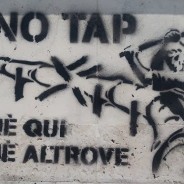
Riceviamo e diffondiamo. Il Parlamento Europeo sta per decidere se appoggiare la costruzione di oltre 90 progetti per l’estrazione di gas naturale. Abbiamo fino a mercoledì 14 per unirci alle comunità che subiranno gli impatti di questi progetti e chiedere ai nostri rappresentanti di opporsi. Manda subito un’email ai tuoi rappresentanti presso il Parlamento Europeo. La lista dei progetti include il TAP, il gasdotto MidCat, il terminale per gas di Gothenburg e molti altri. Le comunità locali si stanno opponendo strenuamente a questi progetti, manifestando contro la dipendenza dai combustibili fossili, l’inquinamento dei territori e gli impatti sulle proprie vite. A prescindere dalla decisione del Parlamento Europeo, noi continueremo a rafforzare la nostra lotta per arrivare a fermare tutti i progetti fossili. Tieni d’occhio il calendario di quest’anno! E puoi fare anche un’altra cosa: guarda e condividi questo nuovo video dei Gastivists, gli attivisti del gas, che spiega perché il gas è una falsa soluzione e come unirsi al...
read moreI boschi non sono in vendita
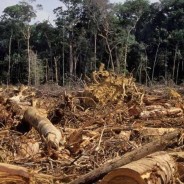
Pubblichiamo, diffondiamo e sottoscriviamo l’appello dell’Associazione Medici per l’Ambiente ISDE Italia al Presidente del Consiglio dei Ministri, on. Paolo Gentiloni, e al Sig. Presidente della Repubblica Italiana, Sergio Mattarella, perché non venga adottato il Decreto Legislativo recante “Disposizioni concernenti la revisione e l’armonizzazione della normativa nazionale in materia di foreste e filiere forestali, in attuazione dell’art. 5 della legge 28 luglio 2016, n. 154”. Preliminarmente ci preme sottolineare che le nostre iniziative di critica e ferma opposizione al nuovo decreto forestale in itinere non muovono da interessi personali di sorta, diretti o indiretti e che la nostra azione è svolta in completa terzietà, ispirata unicamente da scienza e coscienza e dall’amore per il nostro Paese. Chiediamo ai sostenitori del testo di decreto in itinere di dichiarare se si trovino nella medesima situazione. La legge in itinere ha ricevuto severe critiche da parte di 264 Accademici italiani da Bolzano a Palermo, da molte sezioni regionali di Italia Nostra onlus e da molte altre Associazioni e Comitati più o meno diffusi sul territorio nazionale, di cui ci riserviamo di aggiornare ulteriormente l’elenco. Tutti questi soggetti sono mossi dalle preoccupazioni per i prevedibili danni economici, ecologici e sociali al patrimonio forestale e al paesaggio italiani che la nuova disciplina aprirebbe, se non adeguatamente corretta. Preoccupazioni sono pervenute anche dai Medici per l’Ambiente e dalla Rete di Scienziati “Energia per l’Italia” che hanno lanciato una petizione che in pochi giorni si sta avvicinando a 15.000 adesioni per fermare questo provvedimento, ritenuto pericoloso per la salute per via della particolare composizione chimico-fisica delle emissioni delle centrali a biomasse. Tuttavia in questi ultimi giorni sono comparsi su giornali ed altri media anche comunicati a favore dell’approvazione del D.Lgs . Tra le argomentazioni utilizzate da chi si è pronunciato a favore, ad esempio l’Accademia dei Georgofili, ve ne sono molte sicuramente del tutto evasive delle critiche puntualmente sollevate, talune non corrispondenti al vero (ci sono state attribuite posizioni mai espresse e che non ci appartengono), altre sicuramente prive di basi scientifiche e gravide di inaccettabili conseguenze negative. Richiamiamo la Vs attenzione, sinteticamente, sulle le motivazioni per cui riteniamo che l’iter seguito dal progetto di legge e i suoi contenuti nella sua forma attuale, a nostro avviso lo rendono non pubblicabile. Per quanto riguarda l’iter procedurale: Un provvedimento di tale vasta portata per l’assetto forestale del Paese e per le connesse e rilevantissime questioni legate alla tutela della biodiversità, alla questione climatica, all’assetto idrogeologico, al patrimonio genetico forestale, alla tutela del paesaggio, alle funzioni ecosistemiche dei boschi e delle foreste, agli impegni assunti in sede comunitaria ed internazionale sui cambiamenti climatici, non può essere approvato come un atto di “ordinaria amministrazione” e per di più da un governo in scadenza di mandato e senza passare per le Camere. Senza alcuna motivazione, non sono state apportate le modifiche, serie ed argomentate, richieste in sede di dibattito nelle commissioni. L’iter del procedimento legislativo è assai contestato per i temi della trasparenza e della partecipazione. Dubbi severi sono sollevati, da fonti autorevoli, rispetto alla sua costituzionalità. Tre dei 4 onorevoli che hanno sostenuto il decreto (on. Olivero, sottosegretario all’Agricoltura, on. Realacci presidente della Commissione Ambiente, on. Sani presidente della Commissione agricoltura) non sono stati eletti alle ultime consultazioni elettorali. Il Decreto pertanto verrebbe ereditato da forze politiche e...
read more[posted by Rob Evans on The Guardian, March 7th, 2018] Another firm is seeking a sweeping injunction against environmental protesters, drawing accusations that the legal move is “draconian and chillingly anti-democratic”. UK Oil and Gas (UKOG) has applied for a broad injunction to prevent campaigners from mounting protests that it says would unlawfully interfere with its operations. The injunction, if granted by a judge, would cover all campaigners who organise protests at the firm’s three sites in the south-east of England where it wants to drill for oil. Anyone breaking the injunction faces being jailed, fined or having their assets seized. The application, which is due to be heard at London’s high court on 19 March, has been condemned by campaigners who fear that corporate firms are increasingly attempting to use a heavy-handed legal weapon to close down dissent. Keith Taylor, Green MEP for the region, said the move was “chillingly anti-democratic”. “This is an absolutely outrageous move by a firm that has no social licence for its environmentally destructive drilling operations, and instead is seeking a draconian injunction to bludgeon local people’s right to peaceful and lawful protest.” Kevin Blowe of Netpol, a group monitoring the policing of protest, said it was “another attempt by the onshore oil and gas industry to stifle opposition and severely restrict the right to freedom of assembly. The sweeping nature of the injunction is extraordinary.” He criticised UKOG’s attempt to prevent interference with what it called its “economic interests” – a term, he said, that “could mean almost anything.” He added: “The company seems to suggest that the only ‘acceptable’ protests are those that have no cost impact on its business and no effect on its share price.” The move follows by a similar injunction that was granted against all anti-fracking protesters to petrochemicals giant Ineos in November. That injunction, which prohibits campaigners from interfering unlawfully with Ineos’s fracking operations, was opposed by two campaigners who said it was oppressive and restricted their fundamental rights to protest. UKOG said it had been compelled to take “this serious legal action to protect itself, its supply chain and landlords from threats and unlawful conduct from activists, who are intent on preventing us from going about our lawful business.” It said the injunction “does not prevent anyone effectively exercising their rights to freedom of assembly and freedom of expression.” It said it was seeking an injunction against unlawful actions such as trespass and obstruction of the highway, as well as tactics used by protesters such as walking slowly in front of suppliers’ vehicles. UKOG is seeking to extract oil in Sussex and Surrey, claiming there could be a huge number of barrels of oil – dubbed the Gatwick Gusher – at one site near the airport. However, doubts have been cast over the potential for the site at Horse Hill in Surrey. Stephen Sanderson, UKOG’s chairman, said in its application that the firm had spent hundreds of thousands of pounds in recent years to ward off protesters. The injunction, if granted, would cover UKOG’s sites at Broadford Bridge and Markwells Wood in Sussex as well as Horse Hill and its headquarters in Guildford, Surrey. The use of injunctions by multinationals against protesters has fluctuated over the years, and has frequently been criticised. When Ineos obtained its injunction in November, it disclosed that last May representatives of the...
read more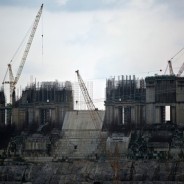
[posted by Dom Phillips on The Guardian, March 7th, 2018] At least 7.7 million Brazilians, or one every minute, have been forced to leave their homes since 2000, a pioneering study has found. Of those, 6.4 million moved after large-scale flooding, droughts and other natural disasters, while 1.2 million were forced out by large-scale construction projects such as dams. The analysis was conducted by Forced Migration Observatory (FMO), a digital platform launched on Wednesday that uses georeferencing data. Significant attention has been paid recently to the fact that Brazil, a large country with a population of 209 million, has taken in only 10,000 refugees from countries such as Syria. But little is known about people affected by forced migrations within Brazil, whom the government has no legal framework to protect, said researchers from the Igarapé Institute, an independent thinktank based in Rio de Janeiro. Rob Muggah, its director, came up with the idea for the FMO project in 2015. But once researchers began gathering information from local and national government, private companies, development banks, the World Bank and activist groups they soon abandon an initial estimate of 1.7 million people. “What I was struck by was how little we knew and how little a government response existed to manage this displacement,” he said. “Our hope with this observatory is to help shape a more informed debate and discussion.” It took repeated requests to get information on people displaced by big development projects. This data is generally included in environmental reports, rather than calculated separately. “People, it turns out, are just one small subcategory of the environmental impact assessment that you have to do for credit or for loans or whatever,” Muggah said. Data on people forced to migrate by disasters came from government departments. Many more have probably been forced to move by Brazil’s soaring violent crime rates, but a “code of silence” makes compiling that data impossible, Muggah said. The interactive FMO platform presents data, maps and video and includes emblematic cases of mega-projects and natural disasters such as the 2015 Mariana dam collapse in which 19 people died and nearly 1,400 lost their homes. Floods in the north-east of Brazil in 2009 killed 43 people and forced 343,000 from their homes. Devastating flooding in mountainous regions near Rio in 2011 killed 889 people and left nearly 34,000 people homeless. In 2015 alone, 64,000 people moved because of a five-year drought in the semi-arid interior regions of Brazil’s north-east. “Unfortunately there is still a lot of migration because of this drought,” said Caroline Albanesi from the São Paulo-based non-profit group Amigos de Bem (Good Friends), which works with those affected in semi-arid regions. Brazil has a long history of relocating populations for ambitious construction projects like dams. In 2000 10,000 people were moved for the Itá dam in the south of the country, the FMO calculated. From 2014, 30,000 were moved for construction of the huge Belo Monte dam in the Amazon state of Pará. Activist groups said numbers could be much higher and that migrants suffered from a lack of decent housing and government care. Many were relocated to small houses in purpose-built, distant suburbs that have seen flooding, water shortages and structural problems, said Antonia Melo from Xingu Vivo,) an non-profit organisation in nearby Altamira. “There is a lack of water. Most of...
read more