
La voce di A Sud dalla COP30 di Belém (Brasile) e le iniziative in Italia
Dal 10 al 21 novembre 2025 saremo a Belém, in Brasile, per partecipare come osservatori alla 30° Conferenza delle Nazioni Unite sul Clima. Racconteremo quanto avviene dentro e fuori le negoziazioni, porteremo e raccoglieremo le voci dei territori in lotta contro l’estrattivismo, contro il greenwashing e per una transizione ecologica realmente giusta.
Iscriviti al bollettino Sostieni il nostro lavoroL’agenda della COP30
A Belém si discuteranno e valuteranno gli NDCs, i nuovi impegni climatici nazionali che stabiliscono gli obiettivi di riduzione delle emissioni di ogni paese. Accanto alla mitigazione, l’adattamento sarà uno dei temi centrali attraverso il Global Goal on Adaptation (GGA) e i nuovi Piani nazionali di adattamento. Un altro capitolo chiave sarà quello della finanza per il clima. Tra i punti principali il nuovo obiettivo di finanziamento (NCQG), che punta ad aumentare il sostegno ai Paesi in via di sviluppo da 100 a 300 miliardi di dollari l’anno, e la Roadmap Baku-Belém, che traccia un percorso per mobilitare almeno 1.300 miliardi di dollari l’anno entro il 2035.
Temi cruciali, che si scontrano con uno scenario geopolitico ostile, segnato dal negazionismo climatico, dai venti di guerra, dalla corsa al riarmo e dalla violenza istituzionale. Non è un caso che in gioco a Belém ci sia più che mai la credibilità della diplomazia climatica e la sua capacità di tradurre le intenzioni in impegni concreti.
La Cupula dos povos
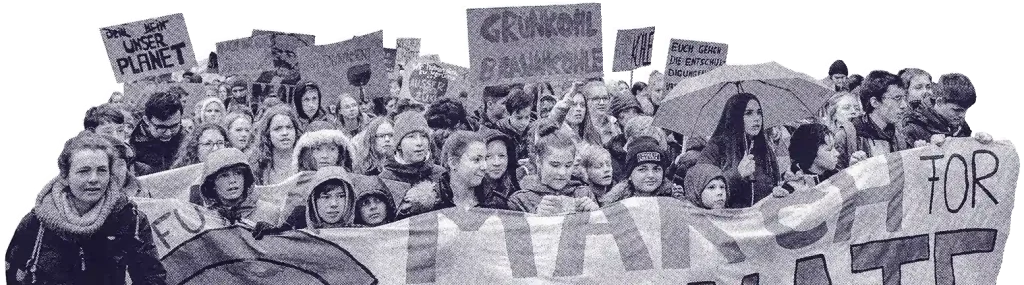
La Cúpula dos Povos è il grande incontro dei movimenti sociali e delle comunità che vivono in prima linea la crisi climatica. Nata nel 1992 come risposta critica alle negoziazioni ufficiali, propone un’alternativa fondata su giustizia climatica, sociale e ambientale, solidarietà e saperi ancestrali.
Dal 12 al 16 novembre 2025, in concomitanza con la COP30 di Belém, riunirà popoli indigeni, comunità quilombola e tradizionali, giovani e lavorator? in marce, dibattiti e azioni culturali.
La Cúpula mette al centro vite, diritti e territori, non statistiche: unisce chi costruisce ogni giorno soluzioni reali, dall’agroecologia alla difesa dei beni comuni, per spingere i governi ad adottare politiche di vera giustizia climatica.
Dichiarazione della Cupula Dos Povos
 Perché A Sud e CDCA alla COP?
Nelle Cop si riuniscono i governi dei 197 Paesi che hanno ratificato la Convenzione Quadro delle Nazioni Unite sui Cambiamenti Climatici (UNFCCC), firmata a Rio de Janeiro nel 1992. Ma la COP30 non è solo un vertice diplomatico: è il terreno di confronto (e di scontro) tra attori diversi e diverse visioni del mondo. Da una parte il business as usual che trasforma la crisi climatica in profitto, dall’altra movimenti e territori che lottano per giustizia climatica, autodeterminazione e diritti della Natura.
La COP30 si terrà nel cuore dell’Amazzonia, a Belém do Pará, in Brasile. Non è un dettaglio geografico ma una scelta politica: è nel Sud globale che l’ingiustizia climatica colpisce più duramente mentre il Nord globale continua a negoziare emissioni e interessi fossili.
Qui non si decide solo il futuro del clima: si decide chi avrà diritto a un futuro.
Per raccontare cosa c’è in gioco, e come finisce la partita.
Andiamo alla COP per osservare da vicino i negoziati, capire quali equilibri politici e di potere si stanno ridefinendo, e portare la prospettiva dei territori e dei movimenti che chiedono giustizia climatica.
La partecipazione di A Sud e CDCA serve a connettere le lotte locali con quelle globali, rafforzare alleanze internazionali e raccontare – con sguardo indipendente e critico – come la diplomazia climatica sta affrontando, o eludendo, le proprie responsabilità.
Perché solo intrecciando voci e resistenze dal basso possiamo costruire un futuro giusto per tutt?.
Per costruire e rafforzare alleanze internazionali
Svolgere la COP in Brasile è un segnale che conta: significa rimettere al centro chi la crisi climatica la subisce davvero. Andiamo a Belém per stare con i movimenti globali per la giustizia climatica. In America Latina oggi si gioca una partita enorme: conflitti ambientali, estrattivismo, repressione, lotte indigene e popolari che resistono da decenni. Con tante realtà — dalla Colombia alla Bolivia, fino all’Amazzonia — abbiamo già lavorato, fatto campagne, costruito ponti. Lì ritroviamo compagn? con cui condividiamo visioni e pratiche.
Per portare una visione radicale dentro la COP
Sì, probabilmente sarà l’ennesimo flop diplomatico. Ma proprio per questo dobbiamo esserci, per non lasciare quei tavoli alle lobby fossili e ai governi che parlano di transizione mentre trivellano.
Da dentro vedi meglio le dinamiche, le crepe, le possibilità di alleanze e di conflitto.
Andiamo per portare la prospettiva della giustizia climatica e delle lotte dal basso, che legano crisi climatica, razzismo, patriarcato e disuguaglianze. La COP non è un punto d’arrivo: è un passaggio. Il resto si fa fuori, insieme, ogni giorno.
Diario dalla COP30
- Giorno 12 – 24 novembre 2025
Belém svela il fallimento della diplomazia climatica, ma apre spiragli: una roadmap anti-fossile e nuove alleanze per la giustizia.
Leggi l’articolo / Ascolta su Scanner
- Giorno 11 – 21 novembre 2025
Penultimo giorno a Belém: incendio in COP30, stalli politici e pressioni crescenti sul BAM e sull’uscita dai fossili.
Leggi l’articolo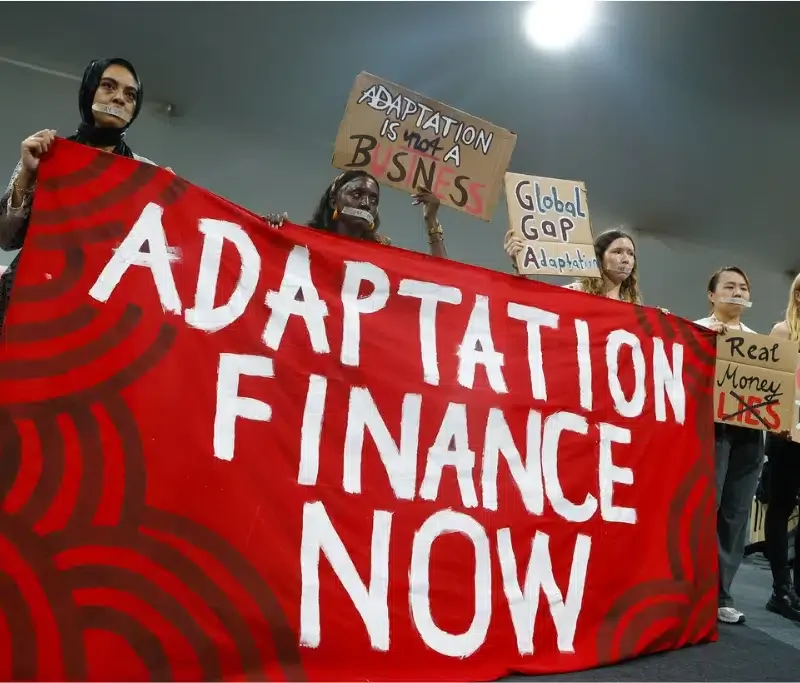

- Giorno 10 – 20 novembre 2025A Belém 85 Paesi spingono per uscire dai fossili, mentre Italia e Polonia frenano. La COP30 è al bivio, il tempo è adesso.
- Leggi l’articolo / Ascolta su Scanner
- Giorno 9 – 19 novembre 2025
Belém rilancia la lotta globale ai fossili: la Colombia guida un fronte che vuole uscire davvero dal modello che brucia il pianeta.
Leggi l’articolo / Ascolta su Scanner
- Giorno 8 – 18 novembre 2025
Alla COP30 la transizione dai combustibili fossili sembra lontana, mentre i fondi dell’adattamento sono sotto il minimo.
Leggi l’articolo / Ascolta su Scanner
- Giorno 7 – 17 novembre 2025
Belem in rivolta: popoli indigeni e movimenti sociali spingono per una COP30 che dica finalmente basta ai fossili.
Leggi l’articolo / Ascolta su Scanner

- Giorno 6 – 15 novembre 2025
Anche quest’anno i dati sulla presenza dei lobbisti Gas&Oil alla conferenza di Belém sono alti: su ogni 25 persone accreditate al vertice, uno è un lobbista dei combustibili fossili, in totale sono oltre 1600.
Leggi l’articolo
- Giorno 5 – 14 novembre 2025
Il TFFF entra nella Cupula tra promesse e contraddizioni: fondi incerti, debiti in aumento e movimenti che denunciano l’ennesima falsa soluzione verde.
Leggi l’articolo / Ascolta su Scanner
- Giorno 4 – 13 novembre 2025
A Belém la protesta indigena irrompe nella COP30 e svela le contraddizioni del Brasile fossile. Intanto la Cupula esplode di mobilitazioni globali.
Leggi l’articolo /Ascolta su Scanner
- Giorno 3 – 12 novembre 2025
Adattamento al centro della COP30, ma i fondi restano insufficienti. A Belém arrivano movimenti e comunità indigene: la vera pressione viene dai territori.
Leggi l’articolo / Ascolta su Scanner
- Giorno 2 – 11 novembre 2025
Lula parla di disuguaglianze alla Cop30, ma il Brasile continua a spingere sul fossile. A Belém torna al centro il nodo tra clima e ingiustizia.
Leggi l’articolo / Ascolta su Scanner
- Giorno 1 – 10 novembre 2025
Dalla Cop30 alla Cúpula dos Povos: a Belém si apre la sfida per la giustizia climatica tra responsabilità globali, diritti dei popoli e resistenza dei territori.
Leggi l’articolo / Ascolta su Scanner
Articoli di approfondimento alla COP30
- Cosa resta della Cop30, la battaglia per il clima e i diritti è ancora lunga – 24 novembre 2025
Marica Di Pierri e Laura Greco su Domani – COP30 fallisce su fossili e foreste, ma il Bam e il blocco dei 82 paesi per l’uscita dal fossile aprono spiragli di lotta e nuove alleanze.
Leggi l’articolo
- Sulla fine dei lavori della COP30 – 24 novembre 2025
Marica Di Pierri su EconomiaCircolare.com – Cosa è successo alla 30° Conferenza delle Parti della Convenzione delle Nazioni Unite sui cambiamenti climatici? Quali sono le grandi vittorie? Quali le sconfitte?
Guarda la diretta
- La tabella della discordia – cos’è successo alla COP30 – 23 novembre 2025
Laura Greco su Radio24 – COP30 a Belém annuncia impegni su energia, foreste e adattamento, ma senza una vera uscita dal fossile restano promesse vuote da incalzare con lotte dal basso.
Ascolta su Il Sole 24 ore
- “A resposta somos nós”. Ma alla COP30 le richieste dei popoli indigeni non fanno breccia – 23 novembre 2025
Laura Greco su EconomiaCircolare.com – Alla COP30 le voci indigene restano ai margini mentre la foresta corre verso il punto di non ritorno. Senza giustizia, non c’è futuro.
Leggi l’articolo
- La “Dichiarazione di Belém” e il multilateralismo del phase out dai fossili spinto dal basso – 21 novembre 2025
Laura Greco su Altreconomia – Da Belém arriva una spinta dal basso per uscire dai fossili: governi e movimenti uniscono le voci per un phase out reale, giusto, globale.
Leggi l’articolo
-
- Cop30: senza il Gender action plan ogni azione climatica è limitata – 21 novembre 2025
Marica Di Pierri e Laura Greco su Valori – Nonostante le ambiziose premesse il Gender action plan ha trovato diversi ostacoli sui tavoli negoziali della Cop30
- Cop30: senza il Gender action plan ogni azione climatica è limitata – 21 novembre 2025

- Alla Cop30 arrivano le storie di migrazioni climatiche – 21 novembre 2025
Marica Di Pierri su EconomiaCircolare.com – Alla Cop30, in vista delle negoziazioni finali, si parla del fenomeno crescente degli sfollamenti forzati dal cambiamento climatico.
Leggi l’articolo
- Belém, la foresta degli indigeni si ribella a Lula – 20 novembre 2025
Laura Greco su Il Manifesto – Le nazionalità dell’Amazzonia denunciano l’inagibilità politica alla Cop e chiedono una mobilitazione internazionale guidata direttamente dai popoli indigeni per proteggere i loro territori e affrontare la crisi climatica alla radice
- Alla Cop 30 i movimenti si riprendono la scena – 20 novembre 2025
Marica Di Pierri su Il Manifesto – Era dalla Cop 26 di Glasgow che non si vedeva così tanta società civile. Accanto al vertice ufficiale, in più di 50 mila hanno animato la «Cupula dos povos» per una svolta vera sul clima e i diritti
Leggi l’articolo
- COP30, BELÉM | Italiani in mobilitazione – 20 novembre 2025]
Il Climate Pride in azione alla COP30: l? attivist? chiedono all’Italia una roadmap chiara e ambiziosa per uscire dai fossili.
Leggi il comunicato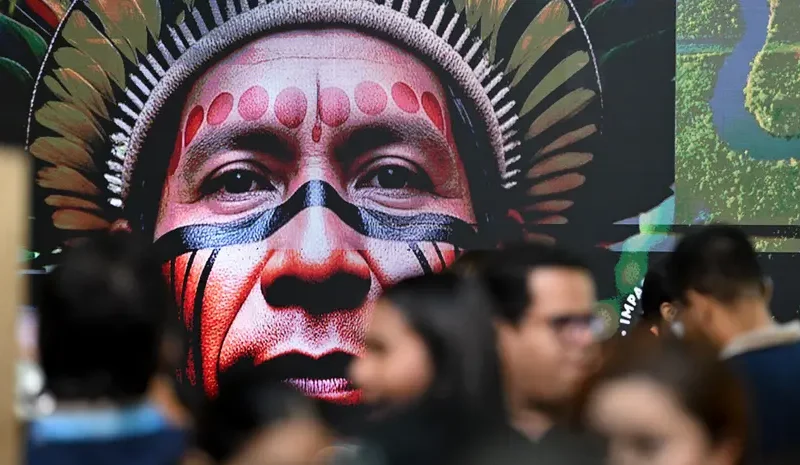

- A Belém torna il protagonismo sociale – 19 novembre 2025
Marica Di Pierri su Collettiva – Alla Cop30 movimenti, organizzazioni, popoli e sindacati riacquistano centralità: proposte e campagne dal basso sono arrivate nelle stanze dei negoziati.
Leggi l’articolo
- Come procede la COP30 in Brasile? Intervista a Laura Greco da Bélem – 19 novembre 2025
Laura Greco su Scienza e Pace Magazine – COP30 tra repressione, lobby fossili e resistenze indigene: la giustizia climatica la costruiscono i territori, non i negoziati.
Leggi l’articolo
- Lifegate dalla COP30 – 18 novembre 2025
Marica Di Pierri su Lifegate – Dalla COP30 il racconto dell’inedita comunicazione tra dentro e fuori la COP, tra le richieste indigene e l’ambiguo governo di Lula.
Ascolta su Lifegate
- Il Fondo per le foreste e la falsa soluzione del biocapitalismo si ripropone alla Cop30 di Belém – 18 novembre 2025
Laura Greco su Altreconomia – Il Tropical forests forever facility lanciato da Lula è l’ennesimo dispositivo finanziario che viene presentato come innovazione.
Leggi l’articolo
- Attivismo e giustizia climatica: se il diritto alla protesta diventa un reato – 17 novembre 2025
Marica Di Pierri su Valori.it – Alla Cop30 emerge un allarme globale: in molti Paesi il diritto alla protesta viene represso e l’attivismo ambientale è sempre più criminalizzato
Leggi l’articolo
- Alla Cop30 di Belèm il fondo per l’adattamento resta senza fondi – 17 novembre 2025]
Marica Di Pierri su EconomiaCircolare.com – Alla Cop30 fallisce, per il terzo anno di fila, l’obiettivo di raccolta minima per finanziare l’adattamento dei Paesi del Sud globale.
Leggi l’articolo

- Massiccia partecipazione popolare a Belém – 16 novebre 2025
Marica Di Pierri su L’aria Che Respiri – Alla Cúpula dos Povos tantissime voci per reclamare la fine dei combustibili fossili e una giustizia climatica guidata dai popoli, non dalle multinazionali.
Ascolta su Radio Rai1
- In diretta da Bele?m – Aggiornamenti sulla prima settimana di COP30 – 15 novembre 2025
Marica Di Pierri su EconomiaCircolare.com – In diretta da Belém, per raccontare in diretta i lavori della 30° Conferenza delle Parti della Convenzione delle Nazioni Unite sui cambiamenti climatici. ?Foto di Oliver Ninja e Midia Ninja
Guarda la diretta
- Cop30: chi difende i combustibili fossili dentro i negoziati sul clima – 14 novembre 2025
Marica Di Pierri per Altreconomia – Alla Cop30 un lobbista fossile ogni 25 delegat?: il vertice che dovrebbe chiudere l’era fossile continua a farsela scrivere da chi la profitta.
Leggi l’articolo
- Giustizia climatica, questa dimenticata – 13 novembre 2025
Marica Di Pierri su Il Manifesto – Il legame tra clima e disuguaglianze è ormai assodato. Ma dopo 30 anni di conferenze, i ricchi continuano a fare grandi affari con i fossili.
Leggi l’articolo
- L’adattamento secondo la COP30: “Adattarsi è sopravvivere” – 13 novembre 2025
Marica Di Pierri per EconomiaCircolare.com – COP30 punta a rendere operativo il Global Goal on Adaptation, tra governance multilivello, indicatori, fondi insufficienti e necessità di giustizia climatica.
Leggi l’articolo
- La Cop30 in Brasile e le politiche industriali green – 11 novembre 2025
Marica Di Pierri per Tutta La Città Ne Parla, Radio3 – È iniziata la Cop30 a Belém, 10 giorni in cui si discuterà su come trovare una via d’uscita alla deriva del cambiamento climatico nonostante le difficoltà politiche che ci circondano.
Ascolta l’episodio
- Road to Belém – 7 novembre 2025
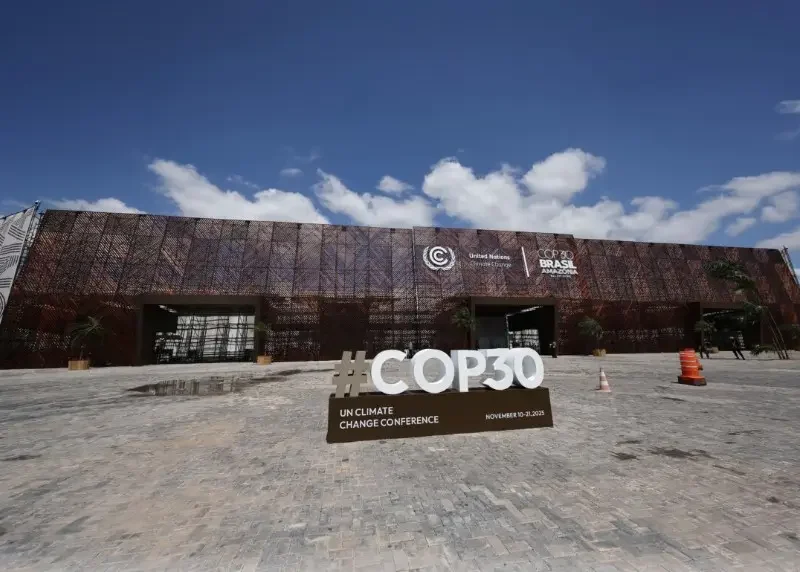 Marica Di Pierri per Valori.it – Verso la Cop30 di Belém, cosa aspettarci dal più importante appuntamento per salvare il clima della Terra? Diretta con Marica Di Pierri, Luca Lombroso, Giovanni Mori e Lorenzo Tecleme.
Guarda la diretta
 Marica Di Pierri per Valori.it – Verso la Cop30 di Belém, cosa aspettarci dal più importante appuntamento per salvare il clima della Terra? Diretta con Marica Di Pierri, Luca Lombroso, Giovanni Mori e Lorenzo Tecleme.
- Da Parigi a Belém, i conti che non tornano – 6 novembre 2025
Marica Di Pierri per Il Manifesto – Tra tensioni e fragili compromessi, i preparativi alla vigilia della Conferenza Onu. A che punto sono gli impegni nazionali di riduzione e i piani di adattamento dei singoli Paesi.
Leggi l’articolo
- A Sud a Belém alla Cop30 – 6 novembre 2025
A Sud seguirà negoziati e mobilitazioni dalla COP30 di Belém, amplificando le voci dei movimenti per giustizia climatica e sociale.
Leggi l’articolo
- A Sud aderisce alla Global Call to Action della Cúpula dos Povos – 5 settembre 2025
Il 15 novembre scendiamo in piazza: basta disuguaglianze e razzismo ambientale, vogliamo giustizia climatica e un mondo dove la vita sia al centro.
Leggi l’articolo
- Vertice dei Popoli Verso la COP30: Manifesto Politico – 13 giugno 2025
A Sud aderisce al Manifesto dei Popoli verso la COP30: un appello globale per giustizia climatica, anticapitalismo e democrazia dal basso.
Leggi l’articolo
Racconteremo le negoziazioni
Per spiegare cosa accade davvero alla COP30, come si muovono i governi e quali interessi guidano le scelte sulla crisi climatica. Vi offriremo una copertura quotidiana per raccontarvi con le nostre parole e con uno sguardo critico, indipendente e radicale, vicino ai movimenti il dentro e fuori la Cop
Sveleremo le contraddizioni
Tra le promesse ufficiali e la realtà, mostrando lo scontro continuo tra lobby fossili e popoli che difendono la vita e i territori. Denunceremo le responsabilità smascherando la falsa transizione energetica e chi continua a inquinare mentre parla di sostenibilità con greenwashing e false soluzioni
Daremo voce alle comunità
Portando le loro storie, le lotte quotidiane e le alternative concrete alla devastazione ambientale, contro colonialismo ed estrazione. Ci collegheremo con l’Italia per connettere istanze e battaglie
INFO E CONTATTI
Per contatti e interviste con la delegazione:
maricadipierri@asud.net
+ 55 21 967071220
Laura Greco
lauragreco@asud.net
+55 21 997673184
[Posted by Joan Martinez-Alier on The Ecologist, January 31, 2018] Protects against the extraction of fossil fuels and other natural resources – ecological distribution conflicts – cannot simply be resolved by payments of compensation. That is because for most people outside of the corporate boardroom, money is not the primary concern. The Environmental Justice Atlas or EJAtlas of the Autonomous University of Barcelona collected 2330 data sheets on ecological distribution conflicts from all over the world. On average, one more case is added per day. The sheer size of our database makes new studies possible on the actors in such conflicts and their forms of mobilisation, on the deaths of activists in these conflicts or on the factors that lead to failure or success in achieving environmental justice. Social studies can be done on the various cultural expressions such as banners, documentaries and songs used in the various struggles for environmental justice. Smelting and refining What we see is that these conflicts are exposing value system contests. For instance, if a river is polluted or a forest destroyed by open cast mining, financial compensation may be a way out for the company responsible but other valuation languages (biodiversity, the “rights of nature”, the livelihood of local populations, indigenous territorial rights, sacredness) will then be sacrificed. Money cannot compensate for all such loses. The language of economics (and of monetary cost-benefit analysis) is powerful but it is not always powerful enough. Why do so many “ecological distribution conflicts” (as recorded in the EJAtlas) arise? This is because of the growth and changes of the flows of energy and materials in the economy. We call those flows the “metabolism” of the global economy. For instance, coal mining leads to conflicts along the whole “commodity chain”, from mining to transport to burning in coal fired power plants producing pollutants and excessive amounts of carbon dioxide. Another example is the increase in bauxite mining, that causes conflicts in mining, in smelting and refining of aluminum, in the process of creating electricity for that and when leaving “red mud” as waste. Unsustainable economies Some famous conflicts, such as in the Niyamgiri Hill in Odisha in India against the Vedanta company, exemplify the power of the value of sacredness and the power of indigenous territorial rights against the power of money. In this particular case, the power of the local people turned out to be bigger than the power of a 7 billion dollar investment. Changes in the social metabolism lead to conflicts, which are then expressed in different valuation languages. Ecological and economic distribution conflicts are not the same. Economists claim that all externalities just need to be internalised in the price, but reality shows that not everything has a price tag. For instance, more coal for electricity production causes conflicts at different scales and may give rise to movements for “leaving coal in the hole”. Monetary compensation If such movements are successful, the economy will be more environmentally sustainable. More windmills or more dams might be built instead to substitute for coal fired power plants but this in turn sometimes gives rise to conflicts over land rights and water rights. From the point of view of governments and business, economic growth and profits demand an expanding or changing “metabolism of the economy”. As solution to the conflicts this creates, they propose...
read moreA mani basse sui territori

[di Enzo Cripezzi su Focus/orientamenti] Lo spaccato raccontato in “Le mani sulla città”, memorabile opera cinematografica del regista Franco Rosi, appare oggi amaramente emblematico, facendo le debite proporzioni peggiorative. A dispetto del periodo di produzione – siamo nel 1963 – non può dirsi consegnato alla storia. In una scena, simbolica e significativa, il concetto di speculazione viene abilmente comunicato in poco più di un minuto, pur circoscritto all’ambito edilizio. Andando indietro di qualche anno, giornalisti, intellettuali ed ambientalisti dello spessore di Antonio Cederna, si sono strenuamente battuti per la difesa territoriale, restituendoci una dinamica contemporanea decisamente più compromessa. E per questo meritevole di attenzione e rinnovate battaglie a vantaggio di ciò che resta del territorio e degli interessi collettivi sottesi o, almeno, per rispetto delle future generazioni. Gli interessi edilizi erano alla base della principale forma di speculazione territoriale: ricorderemo gli anni dal Cinquanta al Settanta per le lottizzazioni costiere, per i sacchi edilizi di molte città, per lo sventramento dei centri storici e dei villaggi turistici in montagna. Il concetto era semplice: trasformare in edificabile il suolo agricolo attraverso le varianti urbanistiche. Oggi, per molti versi, sono bypassate anche queste misere limitazioni, attribuendo automaticamente all’autorizzazione dell’opera anche un titolo di variante allo strumento urbanistico vigente o considerandola aprioristicamente compatibile con aree tipizzate agricole, anche se si tratta di opifici, discariche o quant’altro, semplicemente agendo con normative di deroga. Il risultato è dolorosamente percepibile: città e paesi sempre più ampi, in molte aree, arrivano a congiungersi; impianti energetici disseminati senza ritegno su vasta scala con contorno di opere annesse (elettrodotti, strade, sottostazioni elettriche); ragnatele di strade, autostrade e svincoli; comprensori industriali; discariche; centri commerciali e infrastrutture di ogni genere aggrediscono le campagne. Il territorio libero, quello che fa respirare lo sguardo, e l’anima, è sempre più assediato. È il consumo di territorio, e quindi di suolo, il bene non rinnovabile per eccellenza. Il contrasto a questo fenomeno è stato sdoganato a fatica dall’ambientalismo. Una dinamica promossa con l’intoccabile ricatto occupazionale dell’edilizia prima e delle grandi opere poi, sempre più evidenziata da movimenti specifici di ambientalisti trasversali all’associazionismo (Stop al consumo di territorio e Salviamo il paesaggio) e studiata anche da esperti urbanisti e docenti universitari – come Paolo Pileri del Politecnico di Milano – nonché da autorità scientifiche come l’Istituto superiore per la protezione e la ricerca ambientale (Ispra), che il 26 giugno 2017 ha presentato il suo ultimo rapporto. I NUMERI DELL’ISPRA E LA PARCELLIZZAZIONE Secondo l’Ispra, nel 2016, abbiamo totalizzato 23 mila chilometri quadrati di territorio consumato, pari al 7,6 per cento di territorio nazionale. In soli sei mesi – da novembre 2015 a maggio 2016 – sono stati divorati ben 5 mila ettari. L’equivalente di 200 mila nuove villette o 2500 chilometri di autostrada. Ancor più la parcellizzazione, poi, nella dinamica di consumo di territorio, accresce di gran lunga l’impatto urbanistico: anche la contabilità di pochi ettari di territorio cementificato possono compromettere la compattezza e L’omogeneità di un comprensorio pure molto ampio ed esteso, determinando il cosiddetto sprawl urbanistico, vale a dire la polverizzazione urbanistica con tante strutture sparse sul territorio che diventa cosi sempre più frammentato. Emblematiche sono molte aree della Pianura padana, così come quelle dell’entroterra partenopeo, ma anche tra Bari e Barletta, in Puglia, o a sud di Potenza, in Basilicata, o alcuni comprensori abruzzesi. Consumi di suolo...
read more[posted by Valerie Volcovici on Reuters, January 19, 2018] President Donald Trump’s effort to put coal miners back to work stumbled in most coal producing states last year, even as overall employment in the downtrodden sector grew modestly, according to preliminary government data obtained by Reuters. Trump made reviving the coal industry, and the declining communities that depend upon its jobs, a central tenet in his presidential campaign and has rolled back Obama-era environmental regulations to give the industry a boost. But the effort has had little impact on domestic demand for coal so far, with U.S. utilities still shutting coal-fired power plants and shifting to cheaper natural gas – moving toward a lower carbon future despite the direction the White House is plotting under Trump. Unreleased full-year coal employment data from the Mining Health and Safety Administration shows total U.S. coal mining jobs grew by 771 to 54,819 during Trump’s first year in office, led by Central Appalachian states like West Virginia, Virginia, and Pennsylvania – where coal companies have opened a handful of new mining areas for shipment overseas. “You know, West Virginia is doing fantastically well,” Trump told Reuters in an interview this week about the state, which gained 1,345 coal jobs last year, according to the data. “It’s great coal.” But the industry also lost jobs in other Appalachian states like Ohio, Kentucky, and Maryland; the western Powder River Basin states Montana and Wyoming; as well as in several other states like Indiana, New Mexico, and Texas. Texas lost the largest number, at 455, and Ohio was a close second, losing 414, according to the data. Pennsylvania, which gained 96 jobs in 2017, is also expected to go negative soon after Dana Mining announced this month it would close a mine employing about 400 people. Overall, the number of U.S. coal jobs is still lingering near historic lows at less than one-third the level in the mid-1980s, according to Bureau of Labor Statistics data, as the industry loses market share to cheaper natural gas. The bright spots in the industry in 2017 came amid a big surge in demand for shipments from overseas, said Luke Popovich, a spokesman for the National Mining Association. “We have seen production rise this past year by more than six percent and exports rise five-fold over the previous year,” he told Reuters. ”Honest people can differ over how much credit the president deserves for this revival and how much credit belongs to market forces,“ he added. ”To those of us closest to the coal industry, there is little question that the administration’s regulatory reset … has made a decisive difference.”...
read more
[posted by Shashank Bengali and Ramin Mostaghin on Los Angeles Times, January 17, 2018] In the mountains of western Iran, the province of Chaharmahal-Bakhtiari is known for mile-high lagoons, flowing rivers and wetlands that attract thousands of species of migratory birds. But years of diminishing rainfall have shriveled water sources. Conditions worsened, residents say, after Iranian authorities began funneling water 60 miles away to the lowland city of Esfahan, sparking protests as far back as 2014. On Dec. 30 of last year, about 200 people gathered in front of the provincial governor’s office to protest the water transfer project. Their slogans soon morphed into chants of “Death to the dictator,” the main rallying cry of anti-government protesters who poured into streets nationwide in the biggest spasm of public anger Iran has seen in years. The uprising — in which at least 21 people died and thousands were arrested before authorities reimposed order — had many sparks: rising prices, persistent unemployment, bank collapses, a wide wealth gap, corruption in the theocracy. But an overlooked factor, analysts say, is the impact of climate change and the widespread perception that Iran’s leaders are mishandling a growing problem of water scarcity. “People believe that this is yet another major crisis the country is facing, and the people at the top are too incompetent and too corrupt to care,” said Meir Javedanfar, a professor of Iranian politics at Interdisciplinary Center Herzliya, an Israeli university. “It does not seem to be a priority of the regime to address the drought issue,” he said. “As long as it’s not a priority, nothing will happen until something breaks.” Many environmental activists believe Iran is quickly approaching its breaking point as diminishing rainfall and warmer temperatures have caused lakes to disappear, kicked up blinding dust storms and emptied out once fertile regions as farmers seek economic refuge in cities. Drought is a concern across the Middle East, but Iran’s 80 million people are especially at risk. This month, the director of Iran’s Drought and Crisis Management Center, Shahrokh Fateh, said that 96% of the country’s land area was experiencing prolonged drought conditions, the semiofficial ISNA news agency reported. In some of the hardest hit areas, including border provinces where ethnic and religious minorities complain of official neglect, concerns over natural resources were a key driver of the demonstrations that began in late December. “People in my area do not want to politicize their environmental concerns, but water shortages and pollution of the air and rivers are seen as political crises,” said Yusef Farhadi Babadi, an environmental activist in Chaharmahal-Bakhtiari. “People want to reclaim their rights to clean air and water and efficient water use.” In the province, which covers an area slightly larger than the state of Connecticut, there were once 3,800 natural springs, but about 1,100 have dried up, Babadi said, citing official statistics. The Iran Meteorological Organization forecast recently that for the Iranian year ending March 20, rainfall in the province would be more than 80% below the long-term average. Many in the predominantly agricultural region complain about a controversial series of canals the government has built to bring hundreds of millions of cubic feet of water from the Karun River, which runs through Chaharmahal-Bakhtiari, to growing populations in central provinces. Some of the water has gone to state-run steel mills in Esfahan, which Babadi described as “bankrupt...
read more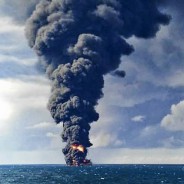
[posted by Benjamin Haas on The Guardian, January 16, 2018] The Iranian oil tanker Sanchi sank off the coast of Shanghai on Sunday, after a week of burning and sending plumes of smoke hundreds of metres into the air. Only three bodies of the 32 sailors were recovered. The ship was carrying 136,000 tons, or about 1 million barrels, of oil, that now threatens to pollute some of China’s most important fishing waters. What was Sanchi transporting? The oil tanker was carrying condensate oil, which differs considerably from the thick black oil slicks typically associated with a spill. Instead, the colourless oil is a liquid only under certain conditions and is partially soluble in water, making it much harder to separate and detect. How much oil leaked? Currently, it is impossible to gauge exactly how much condensate ended up in the water. Some of it burned off and some probably evaporated, but any oil still onboard when the ship sank will slowly leak out over time and be difficult to contain. What will the impact be on the local environment? The condensate that leaked into the water could potentially wreak havoc on local fish spawning grounds and the Sanchi sank in the migratory path of the humpback whale, according to Greenpeace. While there will not be black beaches covered in oil, condensate is toxic when inhaled and on the skin and is described as “toxic to aquatic life with long lasting effects”. Another concern is the fuel that was powering the Sanchi. The day after it sank, China’s State Oceanic Administration reported two oil slicks, one nearly 15km long and another about 18km long, although it is unclear if these are from the cargo or the fuel tanks. “Given that the fuel tanks in these sorts of vessels are located close to the engine room, it is likely that the fuel tanks have remained intact since the initial collision,” said Paul Johnston, a research fellow at the University of Exeter. “It is possible that we will see chronic low volume leakage over a period of time at the seabed. … Impact would remain relatively local.” What could China have done differently? There were two competing goals in dealing with the tanker: putting out the fire in an effort to rescue the crew, or allowing as much oil as possible to burn off to limit polluting the waters. In the end, there was a mixture of both. The National Iranian Tanker Company, the firm that operated the ship, had two ships nearby and a spokesman for the company wondered why Chinese fire fighting boats were using water to douse the flames when foam would be more effective. While the blaze was still burning the Iranian Merchant Mariners Syndicate, an industry group, voiced frustration at the lack of progress in putting out the fire, and said it was “clear that the Chinese are not cooperating enough”. Other criticised Chinese efforts to subdue the fire, and suggested a plan that would have assumed the entire crew had no hope of rescue. Yu Zhirong, a former deputy of the East China Sea unit of China Marine Surveillance, told business magazine Caixin the Sanchi should have been bombed or torpedoed, causing an explosion that would burn up the remaining oil and limit the amount the seeped into the ocean. Allowing the ship to sink...
read more
[posted on The Conversation, January 9, 2018] The Vietnamese Mekong Delta is one of Earth’s most agriculturally productive regions and is of global importance for its exports of rice, shrimp, and fruit. The 18m inhabitants of this low-lying river delta are also some of the world’s most vulnerable to climate change. Over the last ten years around 1.7m people have migrated out of its vast expanse of fields, rivers and canals while only 700,000 have arrived. On a global level migration to urban areas remains as high as ever: one person in every 200 moves from rural areas to the city every year. Against this backdrop it is difficult to attribute migration to individual causes, not least because it can be challenging to find people who have left a region in order to ask why they went and because every local context is unique. But the high net rate of migration away from Mekong Delta provinces is more than double the national average, and even higher in its most climate-vulnerable areas. This implies that there is something else – probably climate-related – going on here. In 2013 we visited An Th?nh ?ông commune in Sóc Tr?ng Province aiming to collect survey data on agricultural yields. We soon realised that virtually no farmers of An Th?nh ?ông had any yields to report. The commune had lost its entire sugarcane crop after unexpectedly high levels of salt water seeped into the soil and killed the plants. Those without a safety net were living in poverty. Over the following weeks hundreds of smallholders, many of whom had farmed the delta for generations, would tell us that things were changing and their livelihoods would soon be untenable. In 2015-2016 disaster struck with the worst drought in a century. This caused salt water to intrude over 80km inland and destroyed at least 160,000ha of crops. In Kiên Giang (pop. 1.7m), one of the worst affected provinces, the local net migration rate jumped and in the year that followed around one resident in every 100 left. One relatively low profile article by Vietnamese academics may be a vital piece of the puzzle. The study, by Oanh Le Thi Kim and Truong Le Minh of Van Lang University, suggests that climate change is the dominant factor in the decisions of 14.5% of migrants leaving the Mekong Delta. If this figure is correct, climate change is forcing 24,000 people to leave the region every year. And it’s worth pointing out the largest factor in individual decisions to leave the Delta was found to be the desire to escape poverty. As climate change has a growing and complex relationship with poverty, 14.5% may even be an underestimate. There are a host of climate-linked drivers behind migration in the Delta. Some homes have quite literally fallen into the sea as the coast has eroded in the Southwestern portion of the delta – in some places 100m of coastal belt has been lost in a year. Hundreds of thousands of households are affected by the intrusion of salt water as the sea rises and only some are able to switch their livelihoods to salt-water tolerant commodities. Others have been affected by the increased incidence of drought, a trend which can be attributed in part to climate change, but also to upstream dam construction. Governments and communities in developing countries around the world have already begun taking...
read more
[posted by Alister Doyle on Reuters, January 11, 2018] Global warming is on track to breach the toughest limit set in the Paris climate agreement by the middle of this century unless governments make unprecedented economic shifts from fossil fuels, a draft U.N. report said. The draft, of a report due for publication in October, said governments will also have to start sucking carbon dioxide from the air to achieve the ambition of limiting temperatures to 1.5 degrees Celsius (2.7 Fahrenheit) above pre-industrial times. “There is very high risk that … global warming will exceed 1.5 degrees Celsius above pre-industrial levels,” the U.N. panel of experts wrote, based on the current pace of warming and current national plans to limit their greenhouse gas emissions. There were no historic precedents for the scale of changes required in energy use, to shift from fossil fuels to renewable energies, and in reforms ranging from agriculture to industry to stay below the 1.5C limit, it said. The draft, by the U.N.’s Intergovernmental Panel on Climate Change (IPCC) of leading scientists and obtained by Reuters, says average surface temperatures are about 1C above pre-industrial times and that average temperatures are on track to reach 1.5C by the 2040s. Curbing warming to 1.5C would help limit heat extremes, droughts and floods, more migration of people and even risks of conflict compared to higher rates of warming, according to the draft summary for policymakers. But a 1.5C rise might not be enough to protect many coral reefs, already suffering from higher ocean temperatures, and ice stored in Greenland and West Antarctica whose melt is raising sea levels. At a 2015 summit in Paris, almost 200 nations set a goal of limiting a rise in the world’s average surface temperatures to “well below” 2C (3.6 F) above pre-industrial times while “pursuing efforts” for the far tougher 1.5 ceiling. They commissioned the IPCC report to map the risks of each goal. The 1.5C limit is favored especially by developing nations most at risk from disruptions to food and water supplies. The current draft was sent out for comments from governments and other experts this week. Jonathan Lynn, spokesman for the IPCC, said the text was a work in progress not intended for publication. “The text can change substantially” he said. U.S. President Donald Trump, who doubts climate change is man-made, plans to pull out of the Paris Agreement and instead focus on U.S. fossil fuels. By contrast, the draft said that renewable energies such as solar and wind power would have to become the dominant form of primary energy by 2050 to achieve the 1.5C goal. “Coal would be phased out rapidly in most 1.5C pathways,” it said. And limiting global warming to 1.5C by 2100 would “involve removal of carbon dioxide from the atmosphere,” it said. That could mean planting vast forests, which soak up carbon dioxide as they grow, or building power plants that burn wood or other plant matter and then capturing and burying the carbon dioxide they release. But that it might not be feasible because forests could divert land from food crops. The draft estimated that humanity could emit just 580 billion tonnes of greenhouse gases to give a better than 50 percent chance of limiting warming to 1.5C – roughly 12-16 years...
read more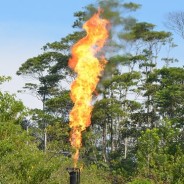
[posted by Jonathan Watss on The Guardian, January 10, 2018] Ecuador’s state oil company has begun drilling the first of 97 planned wells inside a new field of the Yasuní national park, one of the world’s biodiversity hotspots. The opening of the Tambococha-2 well has triggered fierce criticism from conservationists, who say President Lenín Moreno is backtracking on a promise to protect the Amazon and pay greater heed to the opinion of indigenous groups. This is the second phase of the controversial Ishpingo-Tambococha-Tiputini (ITT) project, which started in 2016. Environmentalists say it goes deeper into the national park. At Tambococha-2, Petroamazonas will take eight days to drill down 1,800 metres to tap a reserve estimated at 287m barrels of crude, the company said. In the coming months and years, it plans to build four platforms and drill almost 100 wells. The company insists it will do so unobtrusively by concentrating drilling in a small area, burying pipes and putting in place precautions against spills. But critics say it is impossible to guarantee zero impact on such a biologically sensitive area. They say the opening of roads and influx of workers is likely to accelerate deforestation, hunting and colonisation and could result in conflict with two isolated nomadic tribes. It is a conundrum for Moreno, who was praised by environmentalists last year after promising the United Nations he would do more to protect the Amazon. He has agreed greater consultation with local communities before granting new mining concessions and Ecuador will shortly hold a referendum on whether to expand protections for Yasuní. That may come too late, given Petroamazonas’s latest move, which is the most intrusive development yet in the ITT area of Yasuní. “Drilling in Yasuni directly contradicts Moreno’s UN pledge and the expanded protections proposed in the referendum,” said Carlos Mazabanda, Ecuador field coordinator with Amazon Watch. “It also contradicts Ecuador’s constitution, which recognises the rights of nature and seeks to protect sensitive ecosystems from ‘activities that could lead to species extinction, the destruction of ecosystems, or the permanent alteration of natural cycles’.” Yasuní was once a beacon of hope for global conservation. In 2007, former president Rafael Correa offered to leave the oil in the ground in return for $3.6bn (£3bn) compensation from the global community, but the plan was scrapped six years later with less than 10% of the target figure raised....
read more
[posted by Karen Savage on Climate Liability News, January 10, 2018] New York City is suing five major oil companies, becoming the latest in a growing number of municipalities attempting to hold the industry accountable for damages caused by climate change. New York Mayor Bill de Blasio will announce in a press conference Wednesday afternoon the suit against BP, Chevron, ConocoPhillips, ExxonMobil, and Royal Dutch Shell, the five largest investor-owned fossil fuel companies as measured by their contributions to global warming. He will also announce that the city will divest its pension funds of $5 billion in fossil fuel investments. “New York City is standing up for future generations by becoming the first major U.S. city to divest our pension funds from fossil fuels,” de Blasio said in a statement. “At the same time, we’re bringing the fight against climate change straight to the fossil fuel companies that knew about its effects and intentionally misled the public to protect their profits. As climate change continues to worsen, it’s up to the fossil fuel companies whose greed put us in this position to shoulder the cost of making New York safer and more resilient.” The city will seek billions in damages to cover infrastructure improvements needed to protect New Yorkers from the increasing effects of climate change. The city has already begun implementing a $20 billion climate resiliency plan to protect city infrastructure from rising seas and extreme weather. Now New York wants to shift the burden of protecting the city from climate change impacts back onto the companies it says have overwhelmingly caused the crisis. When Superstorm Sandy hit New York City in 2012, it killed 43 people, caused $19 billion in damages and flooded nearly 90,000 buildings. Two million residents were left without power and 6,500 patients had to be evacuated from hospitals and nursing homes. It drove home the city’s vulnerability to climate impacts and de Blasio made climate action a big part of his initial campaign for mayor in 2012. “This is what climate leadership looks like,” Michael Brune, executive director of the Sierra Club, said in a statement after Wednesday’s announcement. “To confront the climate crisis, we must hold corporate polluters accountable in the streets, in the boardrooms, and in the courts.” In the complaint, New York—which has a coastline longer than the coastlines of Boston, Los Angeles, Miami and San Francisco combined—says it now faces further threats to its property, infrastructure and to the health and safety of its residents. The city is asking for $19 billion for projects already underway, as well as additional costs for unfunded projects and projects that would not be so urgently needed if not for climate change. The complaint notes that the fossil fuel defendants have already been “taking climate change impacts into account when planning for and building their own operations and infrastructure,” but continue to “double down on the production of massive amounts of oil and natural gas, and encourage consumers to use unlimited amounts of fossil fuel products, despite having known for decades that this conduct was substantially certain to cause grave harm, including by putting coastal cities like New York City on the front lines of climate disaster.” A recent study found that by 2030 New York’s 8.5 million people could experience Sandy-like flooding every five years and a report compiled in 2015 by the second New...
read moreEni trascinata a processo a Milano per disastro ambientale in Nigeria
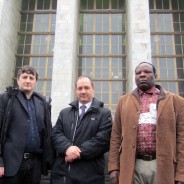
[di Lorenzo Bagnoli su Osservatorio Diritti] Il 9 gennaio a Milano ha avuto inizio un processo storico. Da una parte ci sono i legali della ong Friends of the earth, che rappresentano il re Francis Ododo e gli oltre 5 mila abitanti della comunità Ikebiri, un popolo che vive di pesca e agricoltura sul delta del Niger, in Nigeria. Dall’altro c’è il colosso dell’Oil&Gas Eni, insieme alla sua controllata Nigerian Agip Oil Company (Naoc). La comunità nigeriana chiede a Eni 2 milioni di euro di risarcimento danni per un disastro ambientale avvenuto nel 2010 a Clough Creek, nello Stato meridionale del Beyalsa. A questo aggiungono la bonifica di 17,5 ettari di terreni contaminati da 150 barili di petrolio fuoriusciuti dalle tubature di un oleodotto. Da parte sua, Eni riconosce l’incidente, ma non la sua entità. I danni, secondo la difesa, sono di 10 mila euro, gli ettari interessati 9 e i barili sversati 50. Alla prima udienza, i legali della multinazionale si sono presentati con diverse riserve. Tra queste, una più delle altre preoccupava la difesa: la competenza territoriale. Eni voleva bloccare il processo in Italia e spostarlo – per motivi dei giurisdizione – in Nigeria. Il giudice Maura Barberis della decima sezione del Tribunale di Milano ha deciso però di non affrontare la questione e di convocare una prossima udienza il 18 aprile, in cui probabilmente si entrerà nel merito del processo. La difesa ha raccolto dieci affidavit, cioè 10 dichiarazioni giurate scritte, di persone presenti sul territorio al momento dell’incidente. Ci sono le dichiarazioni di anziani del villaggio, pescatori, imprenditori, contadini. Parlano di «effetti devastanti» sulla popolazione locale, perché «non è più possibile pescare»: secondo le voci raccolte dalla difesa, gli allevamenti di pesce sono andati distrutti. Sostengono anche che a causa dell’inquinamento e dei fumi respirati dopo l’incidente, in tanti si sono dovuti recare alle cliniche della zona per acquistare medicinali. Chi azzarda una stima dell’entità della perdita di gasolio afferma che è superiore ai 100 barili. L’avvocato Saltalamacchia, parlando a Osservatorio Diritti sostiene che è possibile che l’area contaminata sia ormai «molto grande». Le testimonianze concordano sul fatto che sia divampato un incendio a seguito della perdita di petrolio, che ha avuto effetti sull’area paludosa, gli alberi e i pesci della zona. Il timore è che la contaminazione possa aver raggiunto la falda acquifera e quindi propagarsi ulteriormente. Finora l’azienda ha pagato 6 mila euro di danni come «contributo di primo soccorso»,che però non riguarda la compensazione per i danni subiti. Jonathan Osain Bein è un consigliere anziano del re degli Ikebiri. Il suo è uno degli affidavit più lunghi. Ha lavorato come manodopera locale nel settore petrolifero nel 1987: ha delle competenze in materia. Sostiene che in molti, dopo l’incidente, sono andati a farsi curare per delle complicanze legate all’inquinamento. Ricorda diversi incidenti lungo l’oleodotto tra il 1992 e il 2000. È uno dei tanti che ritiene che Naoc ed Eni non siano intervenute per tempo per contenere i danni. L’esatto contrario di quanto scrive l’azienda del Cane a sei zampe in una replica a un articolo uscito su l’Espresso: «Naoc ha avviato un dialogo costruttivo con gli esponenti della comunità Ikebiri, ed è intervenuta in modo tempestivo ed efficace per bonificare i siti interessati, che sono stati oggetto di ispezione da parte delle autorità competenti nigeriane con esito positivo». I legali di Eni hanno mostrato alla controparte il certificato di bonifica il 10 dicembre 2017. Lo ha rilasciato la National Oil Spill Detection and Response Agency (Nosdra), agenzia governativa che ha firmato anche il...
read more